

Electrical Voltage: Definition, Formula, Levels, and Practical Applications
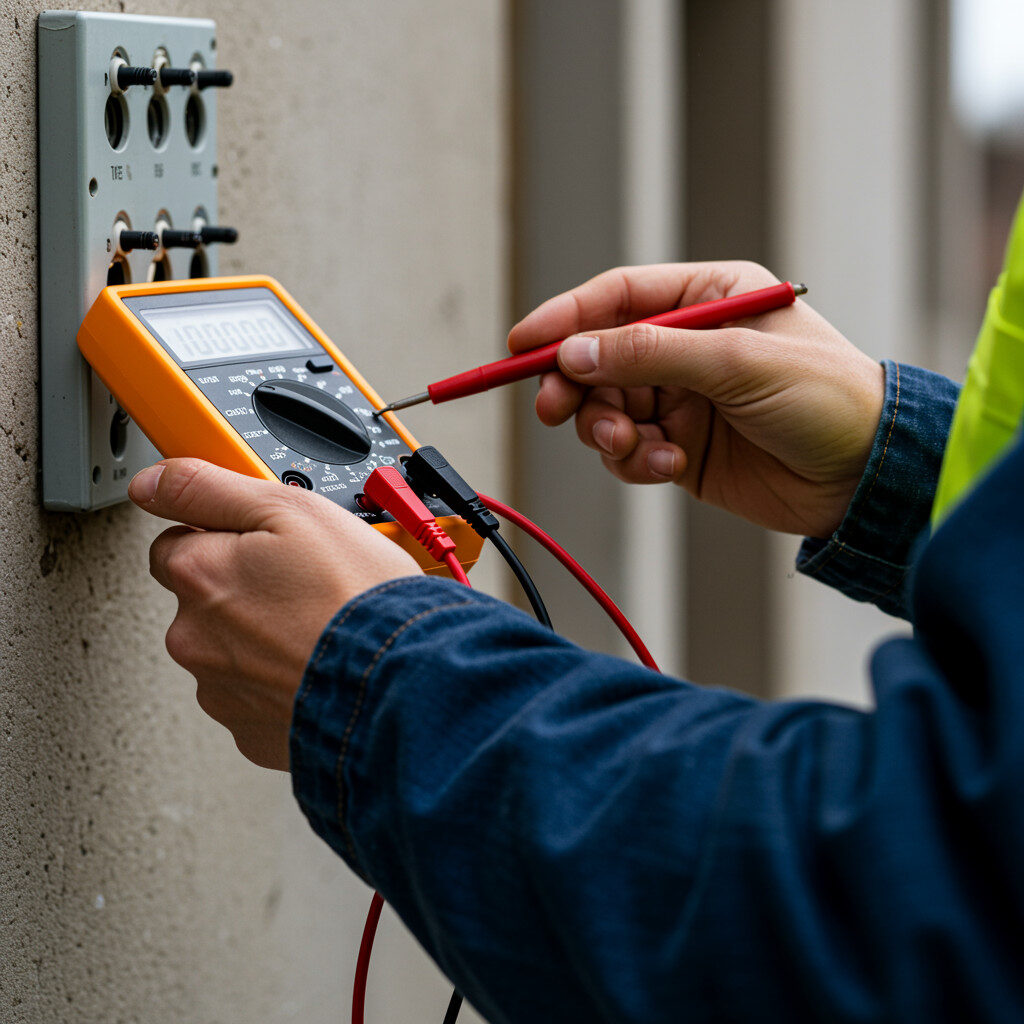
Electrical voltage is the electrical potential difference between two points, responsible for moving electrical charges in a circuit. In other words, it “pushes” the electric current, enabling devices and systems to operate. Measured in volts (V) by a voltmeter, voltage is a fundamental concept in the Brazilian electrical grid. Understanding electrical voltage is crucial for […]
What is the purpose of a circuit breaker?
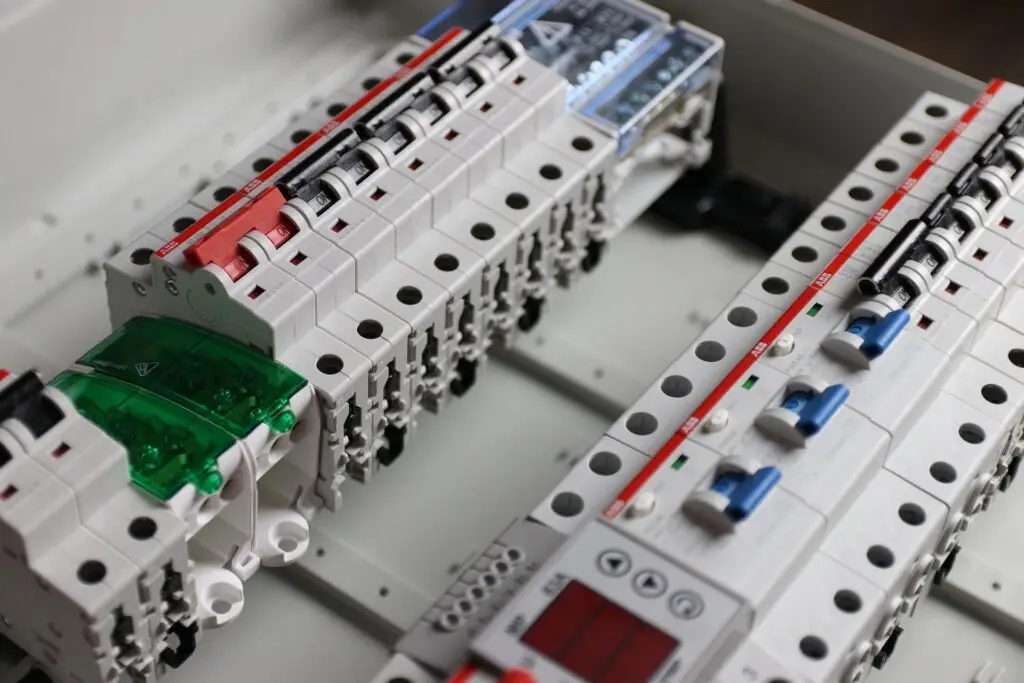
A circuit breaker is a mandatory electromechanical device in electrical installations that protects against faults, overloads, and short circuits. It monitors and controls the electrical current, interrupting the supply when it detects abnormal values. There are different types: magnetic (for precision control), thermal (using metal plate expansion), and thermomagnetic (a combination of both). Circuit breakers range from small ones for domestic use to large ones for high voltage, essential for ensuring the safety and quality of the electrical system.
Power Transformers: Types and How to Choose for My Business

Electrical transformers convert current and voltage values through windings and a core. Main types: residential autotransformers (110V/220V), electronic (low voltages), distribution (street poles), power (industrial substations), and low voltage (internal circuits). Choice depends on purpose, location, and specific business needs. Incorrect voltage use can permanently damage equipment.
Understand the Differences Between Volts, kVA, and Watts

Volts measure electrical voltage (potential difference between points), kVA indicates apparent power in generators (1000 volt-amperes), and watts determine the actual consumption of electrical equipment. For generator sizing, it’s essential to understand these three measurements: voltage for operation, apparent power for capacity, and watts for effective consumption. Knowing the differences helps in choosing the right equipment.
What are the differences between a synchronous and asynchronous generator?

Power generators are classified as synchronous and asynchronous according to their operation. The synchronous generator maintains frequency synchronized with motor rotation, offers fixed frequency regardless of load, and is used in hydroelectric plants, but requires direct current and maintenance of mechanical contacts. The asynchronous generator has a simpler and more robust construction, without mechanical contacts in the rotor, used in wind turbines, but requires reactive power and stops if the load exceeds capacity. Both convert mechanical energy into electrical energy for hospitals, industries, and events.
What is electrical impedance? Learn about its calculation and applications!

Electrical impedance measures a circuit’s ability to resist the flow of electric current, defined as the total resistive load of alternating current circuits. Each material has a different impedance determined by its atoms. Expressed in Ohms, it is calculated by the relationship between voltage and current according to Ohm’s Law, essential for the correct sizing of electrical equipment.
What does a power reactor do?
The reactor, also known as a ballast, is an essential device that limits electrical current in fluorescent lamps and other equipment. It functions as an inductor that adjusts the network voltage to the optimal power of the devices. Its dual role in fluorescent lamps includes generating the impulse to light them and maintaining the current at a safe level, preventing explosions. Available in traditional and high-performance versions for different applications.
What role does electrical resistivity play in high-voltage generators?
High-voltage generators convert mechanical, chemical, or solar energy into electrical energy to meet power needs. Electrical resistivity measures how much a material opposes the flow of electric current — the higher the resistivity, the harder it is for current to pass through. Resistors in generators control the current passing through components, ensuring the equipment’s performance and safety.
Learn what electric potential difference is and how to calculate it
Electric potential difference, or voltage, is essential for the existence of electric current between two points. Charged particles in random motion align when exposed to an electric field. Electrified bodies have different potentials due to the gain or loss of electrons, creating a voltage that can be measured in Volts (V) using a voltmeter.
What is Amperage: Understand Its Importance!
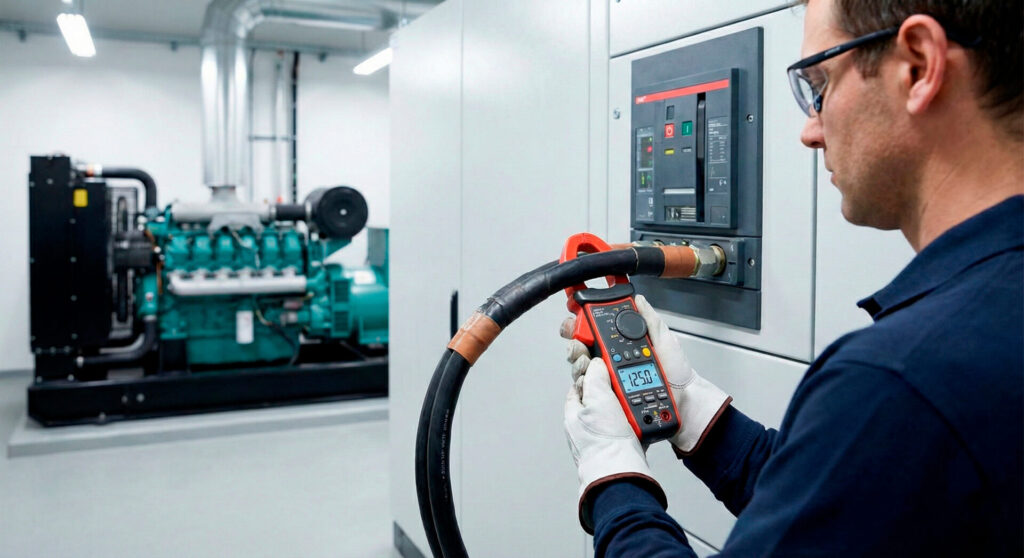
The ampere is the fundamental unit in the International System that measures the amount of electrical charge. Amperage is crucial for the energy efficiency of household devices and equipment like generators. It determines the suitability of electricity for the equipment’s needs and prevents overheating and short circuits through breakers and fuses. Higher amperage also means higher energy consumption, which is important for cost control.