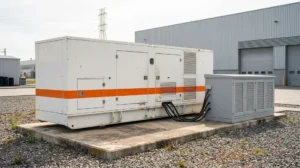
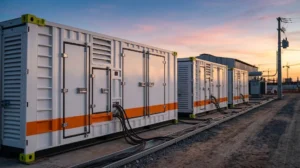
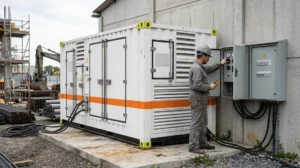
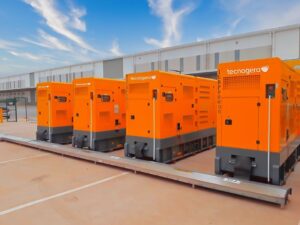
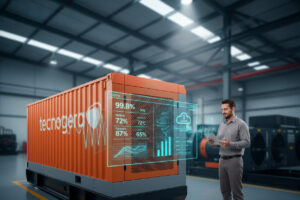
A high-voltage power generator is a large-scale piece of equipment that converts mechanical, chemical, or solar energy into electrical energy. It is a device capable of meeting the energy needs of a specific location, ensuring the supply of electrical power even in the event of failures or disruptions in the public power grid. For the high-voltage generator to operate correctly and safely, several factors must be perfectly synchronized. One such factor is electrical resistivity — a measure indicating how much a material opposes the flow of electric current. In summary: the higher the resistivity level of a material, the more difficult it is for electric current to pass through it. Conversely, the lower the electrical resistivity, the easier this task becomes. In a high-voltage generator, resistors are responsible for measuring electrical resistivity and controlling the current that passes through the equipment’s components. Along with receivers and generators, this is one of the main elements of the electrical circuit of a power generator, ensuring the machinery’s optimal performance and safety.