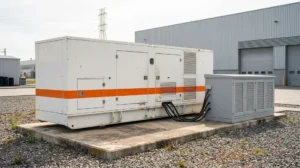
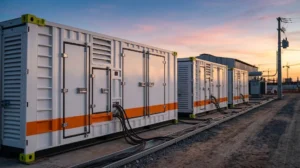
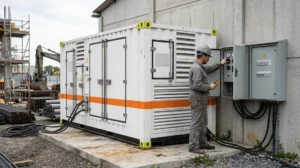
Many people might think that electric motors and generators are the same equipment, but these devices have some fundamental differences, even though they operate in a similar manner. Both the motor and the electric generator are devices used to convert energy through electromagnetic induction. The main difference between these devices is that the generator converts mechanical energy into electricity, while the electric motor does the opposite, converting electrical energy into mechanical energy.
Electric Generator
The electric generator starts working when a certain amount of force is applied to spin its internal rotor at a specific frequency, creating a magnetic field. This device consists of two poles, one positive and one negative, which maintain a potential difference between them, forming the electric current. In everyday life, we encounter direct current generators, like batteries, and alternating current generators, which is the energy supplied by electricity companies.
Electric Motor
Most electric motors operate based on the interaction between electromagnetic fields. This happens because the equipment transforms the voltage of the electric current into magnetism, which in turn becomes mechanical energy in the coils and makes the rotor spin. Electric motors are the basis for the operation of various devices, such as blenders, fans, refrigerator motors, among others.
Generally, these devices work together, as when generators are powered by combustion engines (automobiles), wind turbines (wind generators), or turbines and water wheels (hydroelectric generators).