Choosing the right electrical conductors is crucial to ensure safety, efficiency, and full compatibility with equipment such as generators and transformers. These components are the backbone of any temporary or permanent power system.
Understanding the main types of electrical conductors and their applications in industrial and commercial operations is increasingly strategic. Grasping this technology is the first step to optimizing your company’s energy performance.
What are electrical conductors?
Electrical conductors are materials that allow the easy movement of electrical charges within them. This property occurs due to the presence of free electrons, which move under the influence of an applied voltage.
In practice, they function as “highways” for electricity, connecting the power source to the final consumption point. They are fundamental components in electrical cables used in medium to large-scale industrial and building infrastructures.
Their main function is to transport energy with minimal loss, ensuring that machines and devices operate correctly. Without them, large-scale energy distribution would be technically impossible to achieve safely.
How do electrical conductors work?
Conduction occurs when a potential difference causes electrons to move in an orderly manner through the material. The efficiency of this flow depends on the internal resistance of the medium, which varies with temperature and cross-sectional area.
Materials with low resistance are considered the best electrical conductors, as they dissipate less heat during use. The larger the conductor gauge, the more current it can safely carry in continuous operation.
It is the balance between the conductor material and insulation that allows the safe use of external electrical conductors. This technical combination prevents current leaks and ensures that energy reaches its final destination intact and efficiently.
Types of electrical conductors and their applications
There are various types of electrical conductors on the market, each designed to meet specific demands for flexibility, weight, and conductivity. The choice among them defines the technical and financial viability of an energy project.
Copper Cables and Wires
Copper is widely used for its excellent conductivity and high mechanical strength in both fixed and mobile installations. It offers great cost-effectiveness in low-voltage circuits, being the standard in residential and industrial electrical cables.
Aluminum Cables and Wires
Aluminum is lighter and more economical than copper, making it a frequent choice for external electrical conductors in transmission networks. It requires specific bimetallic connectors to prevent oxidation and ensure the durability of electrical connections.
Flexible and Special Conductors
Flexible models are composed of several thin copper wires, making installation easier in conduits with many bends. There are versions for harsh environments, resistant to oils, submersion, or extreme temperatures, ideal for heavy industrial operations.
Busbars and Grounding Conductors
Busbars are solid metal bars used in distribution panels to support high currents compactly. Grounding is essential for safety, diverting currents to the ground and protecting users.
Key Properties of Electrical Conductors
The performance of an electrical system is dictated by the intrinsic characteristics of the materials, such as their ability to conduct heat and electricity. Analyzing these properties helps prevent failures in temporary and permanent energy systems.
Resistivity and Conductivity
These properties explain what conductors and insulators are, showing that materials like copper have very low resistance to flow. Resistivity measures how much the material opposes current, directly impacting overall energy efficiency.
Current Capacity
Ampacity, which combines amperage and capacity, defines the maximum current a conductor can handle without degrading its insulation due to excessive heat, i.e., the current-carrying capacity of a wire or cable. Factors such as installation method and ambient temperature are crucial for the correct sizing of electrical cables.
Thermal Behavior
Heat increases atomic vibration in metals, raising electrical resistance and causing more losses due to the Joule effect. Overheating is a risk in installations, potentially causing insulation melting and fires in poorly designed systems.
Main Materials Used in Electrical Conductors
The choice of material is based on a table of electrical conductors with technical and budgetary priorities. Each metal offers specific advantages that must be aligned with the real needs of each energy infrastructure project.
| Material | Conductivity (%) | Common Applications | Main Advantage |
| Copper | 100% | Internal installations and motors. | High efficiency and durability. |
| Aluminum | 61% | External transmission lines. | Low weight and reduced cost. |
| Silver | 106% | High-precision contacts. | Maximum possible conductivity. |
How to Size and Choose the Right Electrical Conductor?
To determine the ideal electrical conductors, it’s necessary to calculate the electric load current and the allowable voltage drop. Incorrect sizing results in energy waste and risks to the physical integrity of people and equipment.
The project must comply with standards like NBR 5410, considering the maximum operating temperature of the chosen conductor. It’s essential to anticipate safety margins to handle startup peaks in large motors and generators.
Consulting qualified professionals ensures that the choice between electrical conductors and insulators is made technically. Tecnogera offers specialized support to ensure each installation operates with complete safety and maximum efficiency.
Specific Applications of Electrical Conductors
The versatility of metals allows them to be applied in various scenarios, from delicate electronics to large plants. Each environment requires a specific type of protection and gauge to support the load demanded by the operation.
In Power Generation Systems
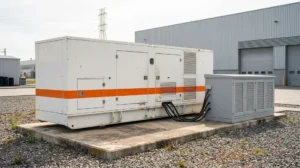
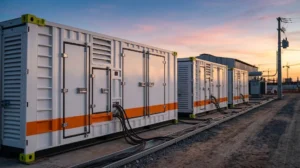
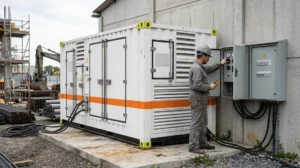
Power generators require robust conductors that can withstand mechanical vibrations and constant load variations. Tecnogera uses high-performance cables in its fleets, ensuring that the generated power reaches you without unwanted interruptions.
In Residential and Commercial Installations
In residential and commercial installations, the priority is fire safety and ease of maintenance in embedded conduits. Lighting and outlet circuits use different gauges to balance cost and power demand in each sector.
In Industrial Applications
Industries demand resilient electrical cables to withstand chemical agents, physical abrasion, and electromagnetic interference. The use of shielded conductors and protected busbars is common to maintain process continuity in harsh environmental conditions.
Technical Standards Related to Electrical Conductors
Adhering to technical guidelines is what differentiates a professional installation from an amateur and dangerous improvisation in the electrical sector. Following standards ensures operational standardization and safety among different equipment and energy suppliers.
- NBR 5410: the Brazilian Standard issued by the Brazilian Association of Technical Standards (ANBT), regulating low-voltage electrical installations, serving as the main guide for safety in Brazilian buildings.
- NBR NM 247-3: defines standards for insulated conductors with polyvinyl chloride (PVC) for voltages up to 750V.
- INMETRO Certification: certifies that electrical cables have undergone rigorous resistance and insulation tests before commercialization.
Maintenance and Care for Electrical Conductors
Preventive maintenance is necessary to identify signs of oxidation, insulation drying, or loose connections. Cables operating above their nominal temperature tend to fail prematurely, requiring immediate replacement to prevent short circuits.
Thermographic inspections are excellent for detecting hot spots in electrical conductors and insulators before an accident occurs. Keeping cables organized and protected from excessive moisture extends the lifespan of the entire electrical system.
Poorly executed installations are responsible for a large portion of energy losses in the industrial sector today. Investing in quality materials and certified labor is the best way to avoid financial losses and serious operational risks.
Where to Find High-Performance Electrical Conductors?
Tecnogera is a national leader in energy solutions, offering generator rentals equipped with the best electrical conductors on the market. Our expertise ensures your operation has stable, safe energy, sized by specialists.
We work with modern equipment and certified electrical cables, adhering to the most stringent safety standards in the industry. Our differentiator is consultative service, understanding your needs to deliver the most efficient technical solution.
Whether for events, industries, or critical situations, our infrastructure is ready to support your energy demand with agility. Choose the authority in energy security and enjoy the peace of mind of a system operating with excellence and reliability. Contact us!