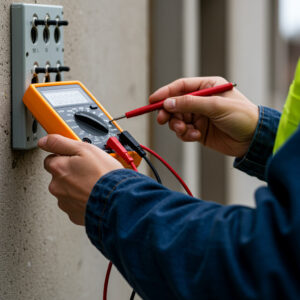
The correct choice of electrical cables to be used in electrical installations is essential to avoid disruptions and short circuits in homes and businesses.
Characteristics of electrical cables
Characteristics such as model, electrical resistance, and flexibility can change according to the nominal section grade: the larger this measure, the greater the resistance to electrical current. Therefore, there are different types of cables and electrical conductors.
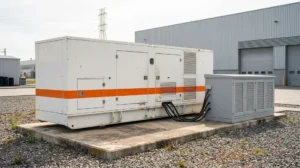
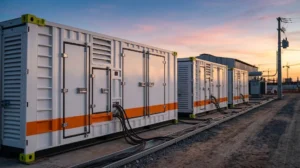
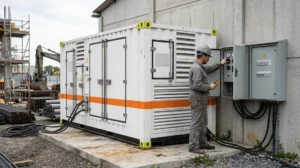
Electrical installations use everything from simple wires to flexible cables and special models, indicated for locations that require more resistant materials than common cables — such as industries, automation lines, cranes, mining sites, generating stations, port equipment, and other locations that require great resistance.
Usually made of copper, nickel-plated copper, or aluminum conductor wires, special electrical cables must follow a quality standard to be safe and maintain their resistance characteristics to moisture, temperatures, and chemical agents.
How to choose the ideal electrical cable
It is important to always pay attention to the material and color of the cable jacket, as well as the working voltage and temperature, stranding class, number of wires/conductors, and whether or not they have a ground wire.
It is also worth paying attention to the type of use (whether it will be external or if the cable will be inside a machine or electrical panel), which defines the need for the cable to be shielded or not.
It should also be observed whether the special cables comply with the standards imposed by the Brazilian Association of Technical Standards (ABNT), ensuring full safety during their installation and use.