

Learn about active, reactive, and apparent power
Electric power is the work done by current over a specific time interval. Active power generates heat, motion, or light, measured in watts/kilowatts. Reactive power maintains the electromagnetic field in motors and transformers, measured in KVAR. Apparent power is the sum of both, measured in KVA. Low power factor causes voltage variations, motor burnout, energy loss, and conductor heating.
Alternating and Direct Current: Understand What They Are, Differences, and Benefits

Electric current is a flow of electrons through a conductive wire. In direct current, electrons move in a single, continuous direction, while in alternating current, they constantly change direction. The main difference lies in transmission capability: alternating current can reach higher voltages and travel longer distances without significant energy loss. Residential electricity is transmitted as alternating current for efficiency, but it must be converted to lower voltages (120V or 220V) for safe home use.
What is an electrical current transformer and where is it used?
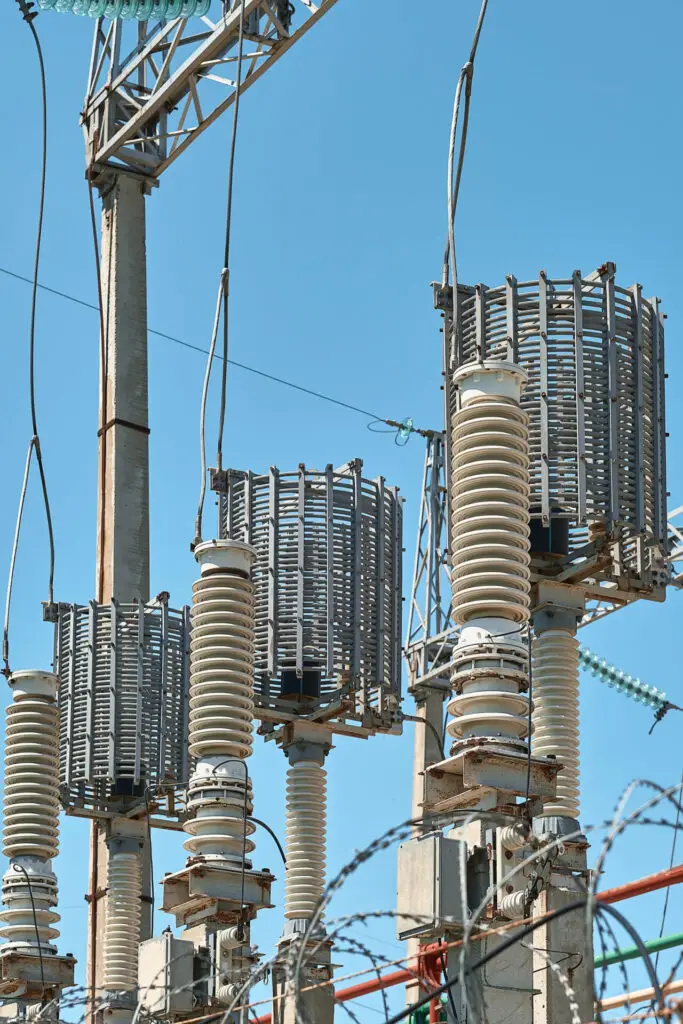
Electrical installations often require an increase or decrease in the voltage supplied by energy companies. In these cases, a transformer is needed, a device that converts electrical voltage according to the needs of the equipment, ensuring its proper operation and safety.
Understand the electrical wire color code chart

The colors of electrical wires help identify their functions: light blue for neutral, green or green-yellow for ground, and red, black, or brown for live. Following this pattern ensures more safety in installations and maintenance.
Electric current: concept, types, and applications in generators
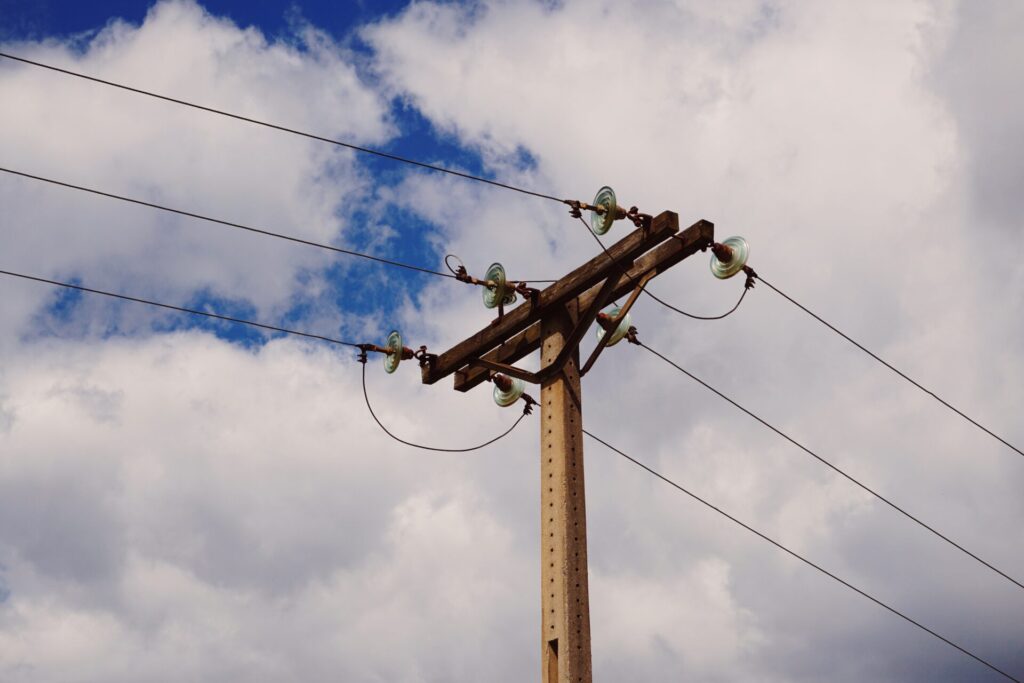
Every electronic device requires a power source to operate, whether from a battery or an outlet. Electric current is the orderly movement of charge-carrying particles (electrons) that occurs in a conductor when there is a potential difference between its ends, known as voltage. Its intensity is measured in Amperes (A) and can be calculated using the formula I = ΔQ/Δt. There are two main types: direct current (batteries) and alternating current (power grid).
Electric Power: Formula, Unit, and How to Calculate
Electric power is the ability of an electrical voltage source to perform work per unit of time. Electronic equipment requires electrical energy to operate by transforming it into another form of energy. The greater the amount transformed in a short time, the greater the power. It is calculated by dividing the transformed electrical energy by the time interval. In the generator, it is important to know the useful and dissipated power to obtain efficiency through the product of the potential difference by the current.
What is kVA?
Understanding kVA is crucial for sizing temporary power sources. kVA stands for kilovoltampere and differs from Volts and Watts. It’s essential for the correct sizing of projects and electrical systems. kVA equals 1000 volt-amperes, representing the system’s apparent power, a vector sum of active (Watts) and reactive (Var) power. Accurate calculation is vital to ensure the electrical system meets the required demand, even during peak times. Generators have become more efficient with technological advancements.