

The use of temporary power in data centers
Mobile data traffic continues to surge. Market forecasts indicate that by 2018, traffic will reach 1,182.5 exabytes globally. With this volume, the demand for cloud storage strengthens as an irreversible trend, driving the need for data centers. In Brazil, it’s estimated that 30 data centers are operational, a number significantly lower than the approximately 1,500 in the U.S. market, indicating substantial growth potential.
In which situations is it necessary to have a mini power generation plant
In most parts of the country, having electricity at home or in the workplace is taken for granted. No one really thinks about the journey electricity takes before it reaches the switch or the outlets that power electronic devices and appliances. This energy is supplied by utilities, but in many regions of Brazil.
Shopping Centers and Energy Bills
Electricity costs in Brazil are among the highest in the world. Despite being predominantly hydroelectric and cheaper, energy in the country is extremely expensive, largely due to taxes. Large commercial enterprises, such as shopping centers, are heavily impacted, with expenses that can reach 45% of condominium costs, with up to 60% of this amount consumed solely by air conditioning systems.
Temporary Power Solutions in Malls Generate Savings
A mall in the southern region significantly reduced energy costs by using temporary power during its transition to the free market. With a monthly bill of R$ 880,000 (R$ 200,000 just during peak hours), the facility installed three generators plus one stand-by generating 2.5 MW. The result was a reduction in peak hour costs from R$ 200,000 to R$ 84,500, plus R$ 88,000 in diesel, totaling a 14% savings in total energy costs.
The Importance of Backup Power Generation for Your Business
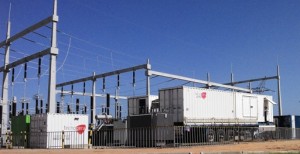
A backup generator is crucial for companies to maintain operations during power outages, preventing production losses and raw material waste. Proper investment requires adequate planning, installation, and maintenance. It’s essential to choose a credible supplier, calculate the necessary load, determine the location, and obtain licenses (Fire Department, environmental, utility company, ART). Monitoring and preventive maintenance ensure operation when…
Independent Power Producer: ANEEL’s Alternative to Improve the Electric Sector
The Independent Power Producer (IPP) aims to enhance efficiency in supply for isolated regions at lower costs. Created by Law 9.074/1995, which unbundled the Brazilian electric sector and led to the formation of ANEEL, ONS, and MAE. IPPs are private companies that generate power independently, striving for maximum efficiency. Modern equipment can reduce fuel consumption by up to 20%, resulting in savings for public funds and greater operational efficiency.
Peak Hours and On-Site Power Generation
In 2015, energy bills increased by 51% according to IPCA, with São Paulo leading at a 70.57% rise. Peak hours (5 PM-10 PM) pose the greatest challenge for companies due to maximum pricing. On-site power generation through generator rental has become a natural solution for various sectors, potentially reducing costs by 30% during peak hours, while also serving as a backup during supply interruptions.
Energy demands in retail
Brazilian retail anticipates recovery with the injection of R$ 200 billion from the 13th salary, representing 3% of GDP according to DIEESE. The sector faces energy challenges due to the tropical climate that requires constant air conditioning, especially with tariff flags that increase energy costs. The solution is the adoption of temporary energy during peak hours, potentially saving up to 30% on electricity costs.
Why are electricity bills rising so much in 2015?
The projected 51.7% increase in 2015 is due to multiple factors: a consumption boost in 2013 (law 12.783 reduced bills by 20%), droughts forcing the use of more expensive thermoelectric plants, billion-dollar loans to distributors, the end of the R$ 9 billion transfer to CDE (shifting costs to consumers), extraordinary tariff reviews, implementation of tariff flags, and delays in projects like Belo Monte. For large consumers with time-of-use tariffs, self-generation with diesel has become attractive during peak hours.
How are energy rates calculated?
ANEEL sets the price of Brazilian energy rates by calculating based on the values of each investment segment, technical operations, and necessary infrastructure. The final value is composed of the sum of power generation, transmission, distribution, and commercialization, plus public policy charges and taxes such as PIS, COFINS, and ICMS. Rates vary by region according to the specific characteristics of each concession area, considering the number of consumers, network extension, energy cost, and state taxes.