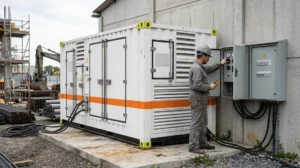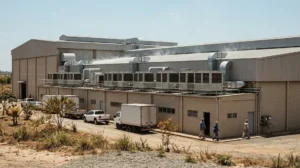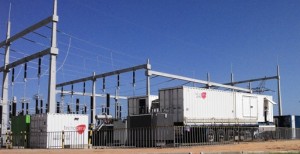
Companies of various sizes and industries are increasingly using backup generators. This equipment allows an industry, enterprise, or business to continue operating in the event of a power outage from the utility provider.
Benefits of Backup Generators
Proper use of the equipment is essential to avoid losses from production stoppages and raw material waste, making the backup generator an indispensable ally for those seeking a secure and optimized operation model, where the risks of power loss are minimized.
Planning and Implementation
However, having such a device operational goes beyond simple installation. Thus, several steps must be followed to ensure the investment is made correctly, always considering the pillars: planning, installation, and maintenance of the equipment.
Choosing the Supplier
The first step is to find a good supplier with market credibility who serves clients in the same segment or profile as your company. It’s also worth speaking with other clients of the supplier to assess the service and support offered.
Technical Aspects
From there, it will be necessary to calculate the load, response time for the equipment to activate in case of a power outage, and define the installation location of the generator set – which should be near the equipment it will power.
Licensing
In parallel, the company contracting the backup power generation service must obtain the licenses required by the market. Examples include: Fire Department, environmental licensing, utility company approval, and the Technical Responsibility Note – ART. The set of licenses will vary by region and according to local legislation.
Monitoring and Maintenance
Once installation is complete, it’s necessary to monitor and maintain the backup generator. This includes preventive evaluations to ensure the equipment is in perfect working condition. More important than having a backup generator is trusting that it will operate when activated.