Optimism in Retail
With the arrival of November and the year’s end approaching, retail, one of the sectors hit hardest by the economic crisis throughout the year, is looking at very optimistic projections. The main reason is the anticipated influx of nearly R$ 200 billion into the market, a sum that will come from the payment of the 13th salary installments.
Economic Impact of the 13th Salary
According to the Inter-Union Department of Statistics and Socioeconomic Studies (DIEESE), this amount corresponds to 3% of GDP. With all this money circulating, there is an expectation of increased activity in retail chains, shopping centers, and malls.
Infrastructure Preparation
And preparing to welcome this influx of customers goes beyond just boosting product inventory and investing in customer service teams. In a country where summer temperatures exceed 30 degrees in most cities, providing a comfortable environment inside establishments is a constant concern.
Energy Demand and Air Conditioning
Thinking about a comfortable temperature means having air conditioning in full operation, which demands higher electricity consumption. With the announcement of the yellow tariff flag for November, which means an extra charge of R$ 1.50 for every 100kWh consumed, retail is seeking alternatives to mitigate this impact on bills, and the use of temporary energy is emerging as an excellent alternative.
Savings with Temporary Energy
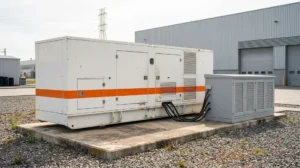
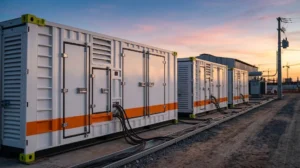
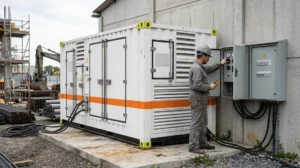
The use of power generators, especially during times when utility-provided energy is more expensive (known as peak hours), can result in savings of up to 30%. In summary, lower electricity costs can mean more profit for retail.