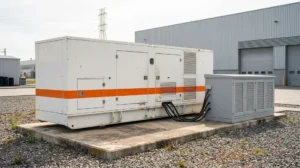
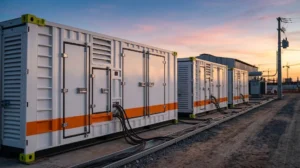
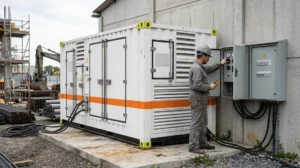
Enhancing energy supply efficiency for isolated regions, ensuring the same power generation in megawatts at lower costs. This is one of the main objectives of the so-called Independent Power Producer (IPP).
History and Changes in the Brazilian Market
To better understand the role of IPPs, let’s delve into the history and changes in the Brazilian electric energy market. Until the 1990s, this market was solely comprised of public initiatives. Investments were made exclusively with resources from the Federal Government.
Around 1995, the need for market opening was recognized, which occurred with Law 9.074, addressing Public Electric Energy Service Concessions. The new legislation altered the market composition, introducing private, mixed, and state-owned companies classified into operational groups such as:
- Generators
- Transmitters
- Distributors
- Traders
- Consumers
In other words, there was a de-verticalization of electric power companies in the country.
With the law, the figure of the IPP and the free consumer was created, along with the onset of competition in energy trading. This restructuring also led to the establishment of:
- National Electric Energy Agency (ANEEL)
- National System Operator (ONS)
- Wholesale Electricity Market (MAE)
What is an IPP
In general, an IPP is a legal entity or companies in a consortium that receive a concession or authorization from the granting authority to produce electric energy intended for the trade of all or part of the energy produced for a specific location or region, at their own risk.
In other words, IPPs are private energy generators and are paid based on the volume of energy generated. Having free access to electrical systems and being responsible for all costs involved in the power generation process, IPPs always seek more efficient processes, improving service offering conditions, and having the autonomy to close bilateral energy purchase and sale contracts.
Advantages of the IPP Model
Without IPPs, utilities are responsible for contracting generators and separately for fuel supply. With more companies involved, costs in this process can become higher. In the case of IPPs, the focus is on the cost per megawatt generated. Thus, the more efficient the generation, the more advantageous it is for the IPP.
Benefits of the IPP Model
- Greater energy efficiency: Use of more modern and efficient technologies
- Cost reduction: Savings of up to 20% in fuel consumption
- Shared responsibility: Transfer of operational responsibility to the IPP
- Contractual flexibility: Possibility of customized contracts
- Technological innovation: Incentive to adopt new technologies
Financial Impact
The implementation of more modern equipment provides greater efficiency and a significant reduction in fuel consumption, which brings substantial savings to public coffers, as the government bears these costs. In some cases, fuel savings reach 20%.
Operational Advantages
Besides financial savings, the utility transfers the generation responsibility to the contracted company, which means greater operational efficiency, better equipment maintenance, and increased reliability in energy supply.
Conclusion
The Independent Power Producer model represents an evolution in the Brazilian electric sector, bringing benefits to both the public authorities and end consumers. By promoting energy efficiency and cost reduction, the IPP establishes itself as a viable alternative for energy supply, especially in isolated regions or those with limited infrastructure.