

The importance of reducing SAIDI and SAIFI in power utilities

The SAIDI (System Average Interruption Duration Index) and SAIFI (System Average Interruption Frequency Index) indicators measure the quality of electricity supply. SAIDI represents the average time without power, and SAIFI the number of interruptions per consumer. Keeping these indices low prevents penalties from ANEEL and costs with compensations. Tecnogera offers solutions with backup generators and storage systems to ensure continuity, reducing costs and maintaining regulatory compliance.
Energy: Our Role and the Priority of a Sustainable World

The ESG concept has evolved into EESG by including the economy, prioritizing responsible financial returns while considering social and environmental aspects. Energy is fundamental for all basic needs like water, health, education, and security. Brazil still has 212 communities without connection to the national electrical system. Tecnogera acts as an enabler, offering a fleet of 700,000 kVA with technologies for consumption reduction, diesel, biodiesel, gas, biogas, and solar hybrid systems.
UGTEM: What is it and what is it used for?
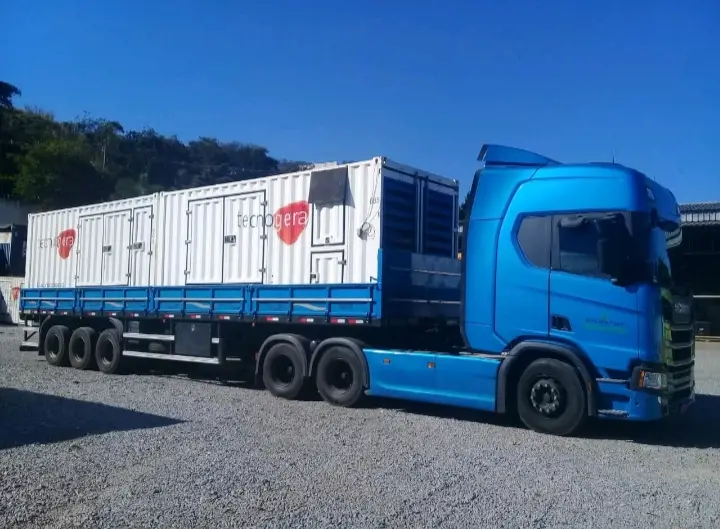
The UGTEM (Mobile Energy Generation and Transformation Unit) provides temporary power to end users, supporting utilities during repairs and supply issues. It’s a mobile and itinerant solution that performs ramp transfer, gradually taking control without interruptions for users. It helps keep DEC and FEC indicators within the limits set by ANEEL, avoiding fines and improving service quality.
The Importance of Power Generators in Remote Areas

Power generators are crucial for remote areas where utility supply is unavailable or the grid is unstable. They serve camps, surveillance posts, mining sites, isolated communities, and oil platforms. Key challenges include selecting efficient models, identifying viable fuel, and checking conditions to minimize maintenance. The investment extends beyond business activities, contributing to human growth and national development.
Discover What a Substation Is and Explore Its Classifications
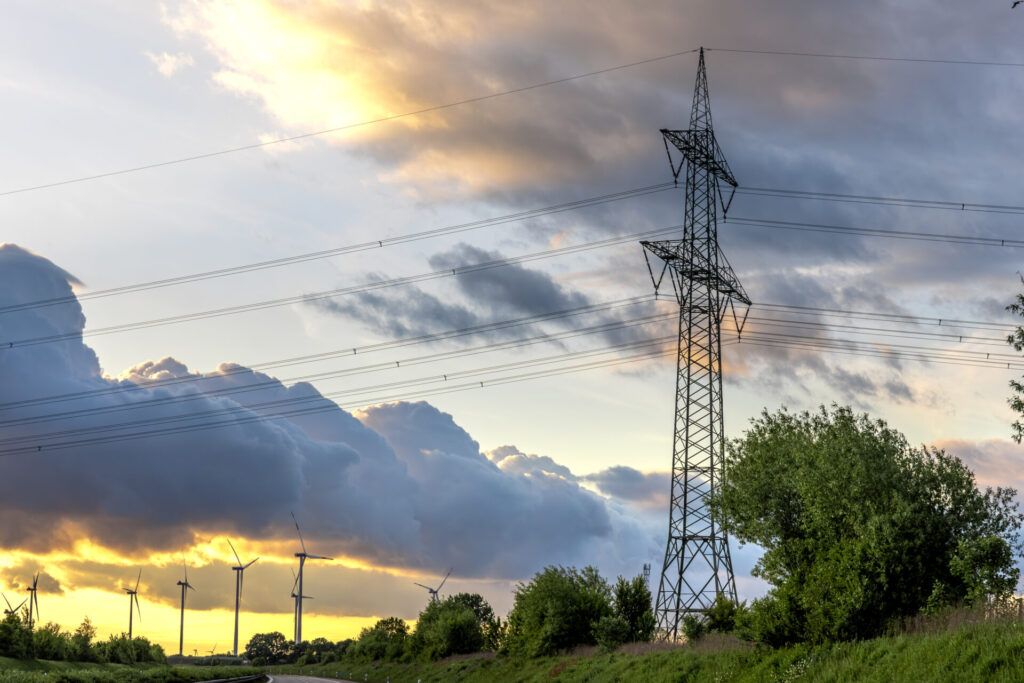
Substations are electrical installations responsible for the transmission and distribution of energy. Transformers increase voltage at power plants to prevent losses and decrease it in urban centers for distribution. They are classified by function (step-up, step-down, distribution, switching), voltage (extra-high +230kV, high 69-230kV, medium 1-34.5kV, low up to 1kV), installation (open-air or indoor), and operation (manual, semi-automatic, automated). Tecnogera’s mobile substations offer temporary solutions for maintenance and events with operational flexibility.
How is power generator sizing done?
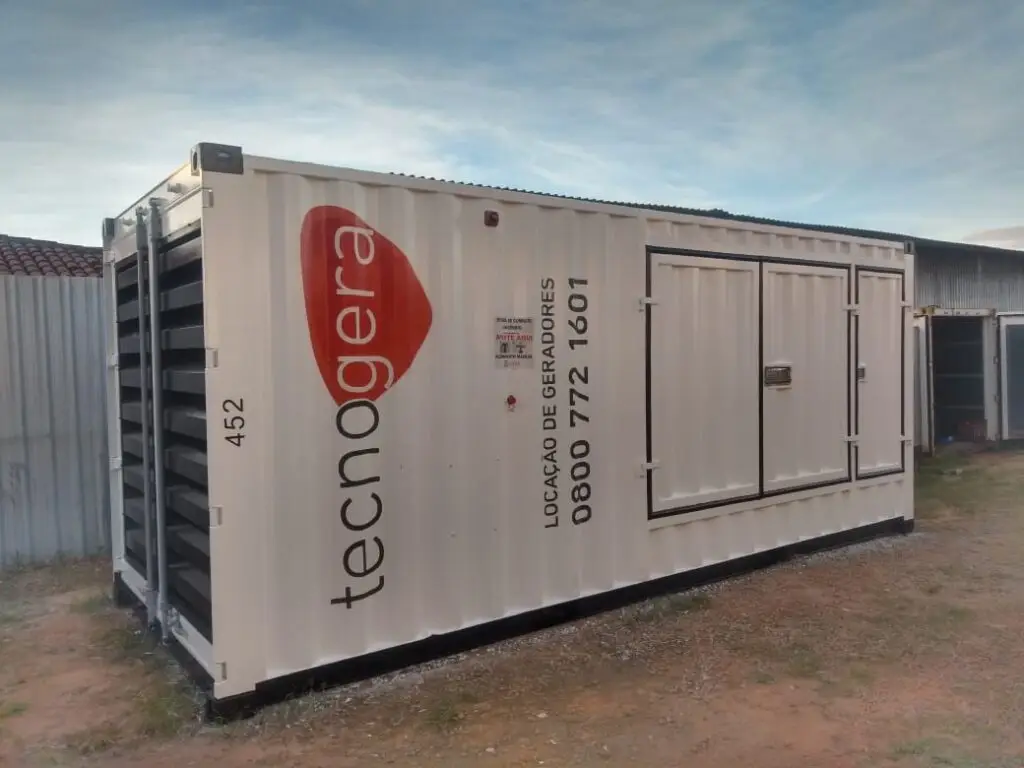
Power generator sizing analyzes electrical load, installation environment (open/closed), local temperature, pollution levels, supply characteristics (exclusive/backup), altitude, and displacement. Power calculation involves summing device power, multiplying by power factor, adding a 30% margin, and dividing by 1000 to obtain kVA. Ideal operating regime is 8 hours of work with 4 hours of rest. Adequate fuel supply must be considered. Tecnogera offers solutions with efficiency, delivering more energy with less fuel through the most modern fleet in the country.
Industrial UPS vs. Power Generator: Understand the Differences
Both industrial UPS and power generators ensure high-quality electrical supply but operate differently. A UPS uses an internal battery bank that charges automatically, providing almost instant power with limited autonomy, regulating voltage and purity to prevent damaging surges. A generator offers unlimited autonomy as long as it has fuel, is large-scale with high power, ideal for long periods but takes time to reach optimal operation. They can be combined: the UPS acts instantly during failures while the generator prepares, then the UPS shuts down and batteries recharge. This combination completely eliminates interruptions.
Discover the main causes of a blackout and how to prevent it
Blackouts cause severe social and economic losses, as seen in Amapá over several days. Main causes: accidents in extensive transmission networks, tree falls, weather events, consumption overload, and energy waste. Prevention includes alternative sources like solar and wind energy. A power generator is the best solution: sized according to need, operates for long durations or on demand, and allows cost optimization during peak hours with different utility rates.
How a Power Generator Works for Condominiums
Generators for condominiums operate in standby mode with an automatic transfer switch that monitors the power grid and activates the equipment when it detects utility failures. They keep hallway lights, elevators, intercoms, electric gates, and complete electronic security systems running. They offer special security for elderly residents who rely on elevators. Renting is more advantageous than buying: it eliminates high acquisition, installation, and maintenance costs, leaving only fuel supply.
How to plan power backup for maintenance shutdowns?
Maintenance shutdowns require strategic planning to keep critical operations running. The process should be mapped out months in advance, including: detailed schedule, multidisciplinary teams, work orders, risk analysis, and safety measures. During maintenance, utility supply must be interrupted for technician safety. Solution: power generators for backup. Two main scenarios: sector isolation (generator powers a specific area) or total shutdown (generator keeps essential areas running). Generator rental offers flexibility and access to suitable models without large investments. Tecnogera provides diverse options for different maintenance needs.