The year 2015 ended with energy bills 51% more expensive, according to the Broad Consumer Price Index – IPCA. The city of São Paulo topped the list with a 70.57% increase, followed by Curitiba (PR) with 69.22% and Brasília (DF) with 56.43%.
The tariff hike – coupled with economic slowdown – may have been one of the factors behind the 1.8% decline in energy consumption last year – information released by the National Electric System Operator – ONS.
Tariff Flag and Peak Hours
In this scenario, 2016 began with the maintenance of the red tariff flag, indicating that the cost of power generation is higher. The red tariff flag was maintained for January, meaning consumers will continue to pay more for the electricity they consume.
While for domestic consumers, circumventing the increase and reducing bills is a significant challenge, for companies, it is one of the most difficult missions, especially due to the so-called peak hours.
Throughout the 24 hours of the day, energy consumption varies, as does its price, reaching maximum values between 5 PM and 10 PM. According to the load profile of each utility, three hours are chosen within the interval from 5:00 PM to 10:00 PM on business days, defined as peak hours.
Generation and Compensation System
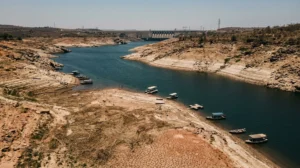
To achieve a better balance of the generation system, during the day, off-peak hours, energy generated by hydroelectric plants is used, maintaining the base load supply. As consumption increases, energy generated by thermoelectric plants (higher cost) is added to the system.
The establishment of a differentiated tariff for peak hours thus emerges as a form of compensation for the generation costs of thermoelectric plants.
On-Site Generation as a Solution
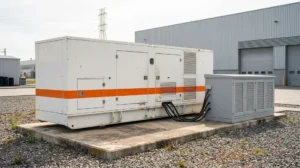
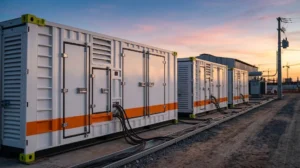
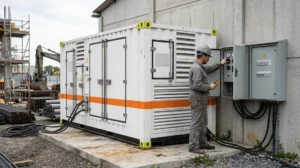
For companies that cannot stop production, that work in continuous shifts, or for various sectors, generator rental has been a natural path to cost reduction. Among the sectors that benefit the most are:
- Mining
- Retail
- Oil and Gas
- Industry
- Energy
- Water and Basic Services Utilities
- Agribusiness
- Telecommunications
- Civil Construction
Advantages of On-Site Generation
- Cost Reduction: Cost reduction during peak hours can reach 30%, already considering fuel costs.
- Energy Backup: Possibility of using equipment as an alternative source in case of supply interruption by the distributor.
- Quick Restoration: Energy is restored quickly and safely.
- Predictability: Greater control over operational costs.
Final Considerations
In times of high tariffs, it is essential for companies to consider alternatives to optimize their energy costs. On-site generation, especially through generator rental, presents itself as a viable and efficient solution for various economic segments, allowing not only cost reduction but also greater security in energy supply.
Assessing the specific needs of each business and seeking customized solutions is crucial to ensure energy efficiency and market competitiveness.