After a brief respite in 2013, electricity bills began to rise again in 2014. For 2015, the forecast is for an increase of up to 51.7%. But what are the reasons that make Brazilian electricity one of the most expensive in the world? Understand below:
Why is electricity expensive in Brazil?
- Stimulus to consumption: in 2013, the government approved law 12.783, which reduced electricity bills by up to 20%. There was also a significant reduction in taxes on appliances, thanks to the “Minha Casa Melhor” program, which aimed to equip “Minha Casa, Minha Vida” homes with appliances;
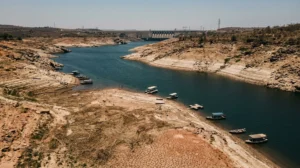
- Lack of rain: since the end of 2013, water levels in hydroelectric reservoirs have dropped significantly, and distributors had to resort to thermoelectric plants, which produce more expensive energy;
- Annual adjustment: each of the 63 distributors in the country has a specific date, defined in a contract, to apply an annual adjustment approved by Aneel, seeking to adjust the revenue of each concessionaire;
- Loans to distributors: the government authorized billion-dollar loans to distributors to cover extra expenses with energy purchases in the market, avoiding an even greater increase in energy bills last year — which was an election year;
- End of transfer to CDE: the government suspended a R$ 9 billion contribution, planned for 2015, to the Energy Development Account (CDE) — a fund that finances the payment of compensation to electricity sector companies, subsidies to low-income families’ electricity bills, and the “Luz para Todos” program. All expenses planned for the CDE are being borne by consumers, via energy bills;
- Extraordinary review: with the decision not to transfer more resources to the CDE, an extraordinary review of tariffs was carried out, so that distributors could start collecting resources via energy bills, without having to finance this account with their own resources;
- Tariff flags: in effect since January 1st, this system allows distributors to pass on part of the extra cost of increased electricity, caused by the purchase of energy from thermoelectric plants, due to the low level of hydroelectric reservoirs;
- Delayed works: several infrastructure works in the electricity sector are delayed, such as the construction of the Belo Monte plant.
Is it worth producing your own energy?
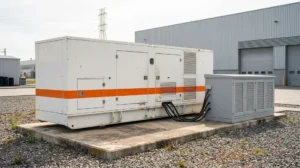
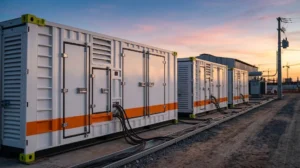
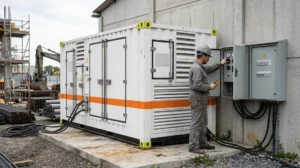
For consumers with time-of-use tariffs (different rates for peak and off-peak hours), with the rise in electricity prices, self-generation during peak hours using diesel oil as fuel becomes more attractive.