

How IoT Enhances Generator Monitoring
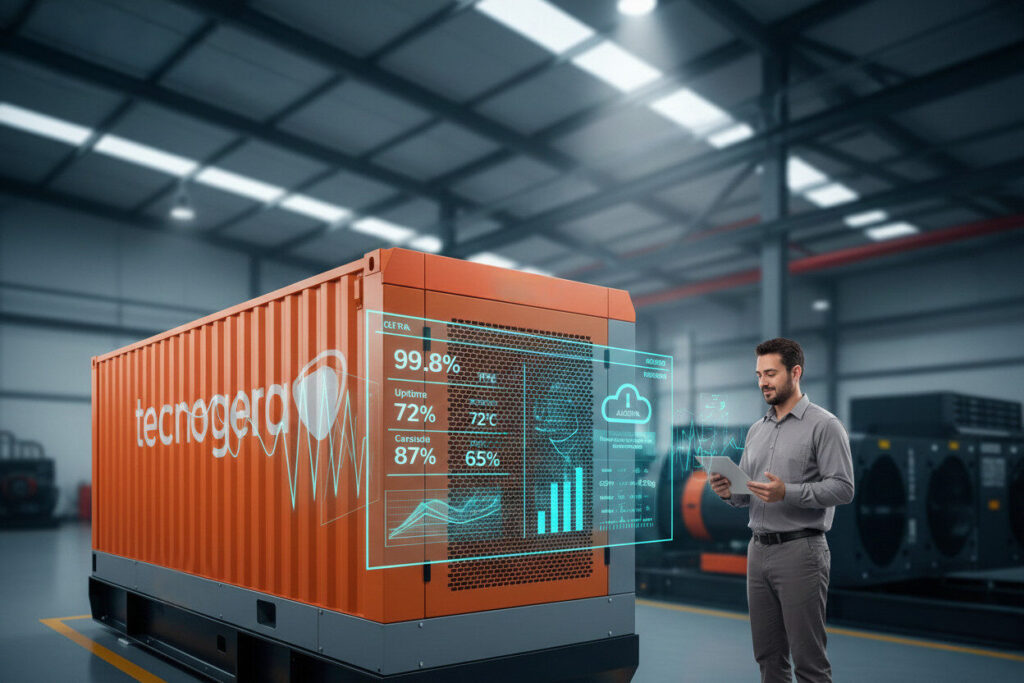
The term ‘Internet of Things’, or IoT in generator monitoring, is a technology that connects generator sets to the internet for data collection. Generally, when we talk about the ‘Internet of Things’, we’re referring to digital transformation, involving everything from the simplest devices to autonomous and intelligent systems. This digitalization allows companies of all sizes […]
Industrial Cooling System: Overview, Types, and Cycle

Industrial cooling is crucial for temperature control in production processes, ensuring quality, safety, and efficiency in sectors like food, pharmaceuticals, and chemicals. It employs thermodynamic cycles with refrigerants and involves stages such as compression, condensation, expansion, and evaporation. Key systems include VRF, chillers, evaporation, air expansion, and vapor compression, each suited to different needs. Equipment selection should consider energy efficiency, capacity, fluid type, and sustainability. Preventive, predictive, and corrective maintenance is vital for optimal performance and cost savings. Tecnogera offers tailored solutions, prioritizing efficiency, sustainability, and compliance with standards, from design to system maintenance.
Distributed Generation: What Is It and How Does It Work?
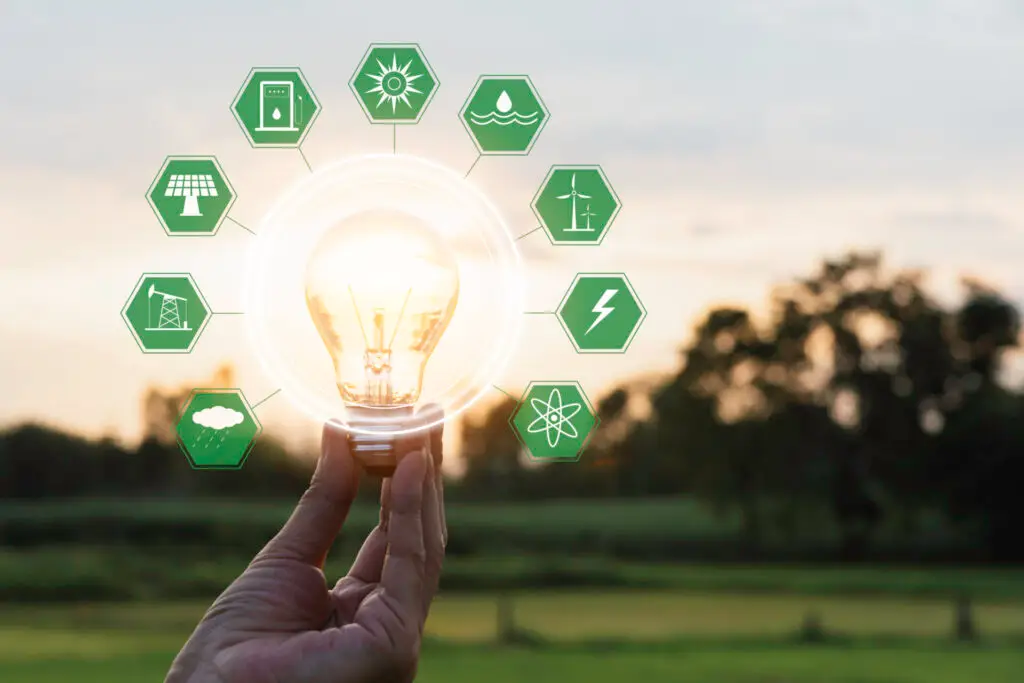
Distributed Generation (DG) involves producing energy close to the consumer, using renewable sources like solar and biogas. It cuts costs, boosts autonomy, and eases the burden on the power grid. In Brazil, DG is regulated by Law 14.300/2022, with key applications in rooftop solar energy and agribusiness. Tecnogera supports clients with backup solutions, consulting, and integration to ensure energy efficiency and security.
Types of power generators: Models for different scenarios and needs
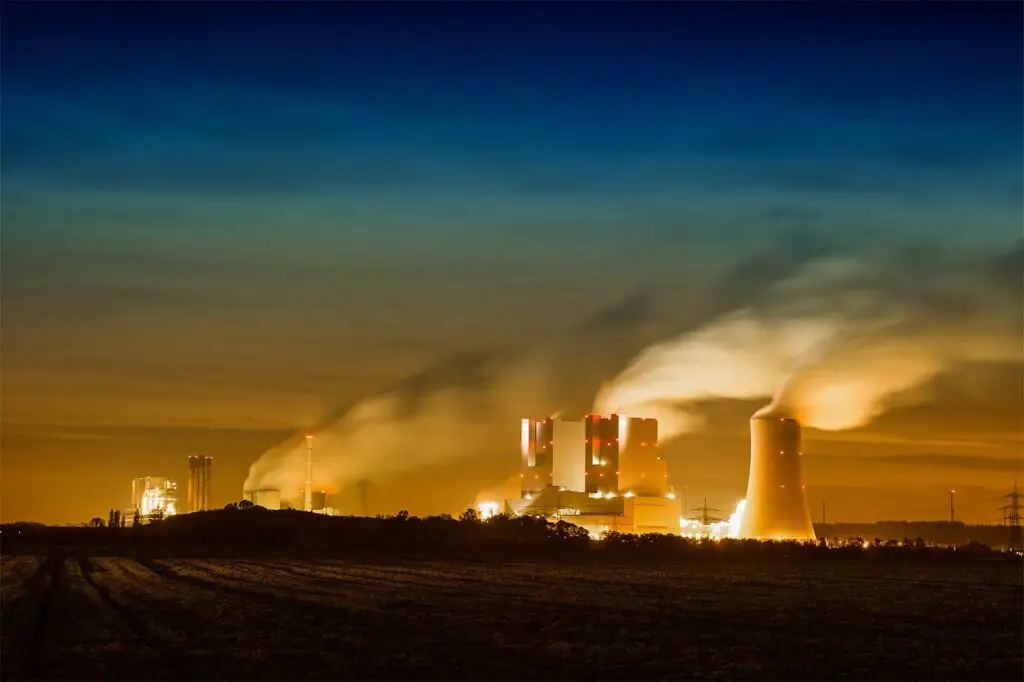
There are different types of generators for various needs: solar (solar panels, 5-7 year financing, 30-year lifespan), wind (sustainable, uses wind movement), chemical (batteries for portable devices), mechanical (hydroelectric plants with turbines), and fossil fuel (most common). Fuel generators vary: gasoline (portable, higher consumption), diesel (cost-effective, durable, lower consumption), and gas (sustainable, high efficiency). Generators 1000-1500 Ideal KVA for large establishments.
Renewable Energy: All About Biomass

Biomass is organic matter from animal or plant origin used as a renewable and sustainable energy source. Its use has been growing in Brazil, especially in thermoelectric plants for areas not covered by the conventional system. Biomass operates through the carbon cycle, where plants absorb CO2 and transform it into organic matter. The main conversion processes are pyrolysis, gasification, combustion, and co-combustion. In Brazil, biomass accounts for about 13% of the final energy consumption, mainly produced from sugarcane bagasse, firewood, and charcoal.
Industrial Chiller: What It Is, How It Works, and Applications
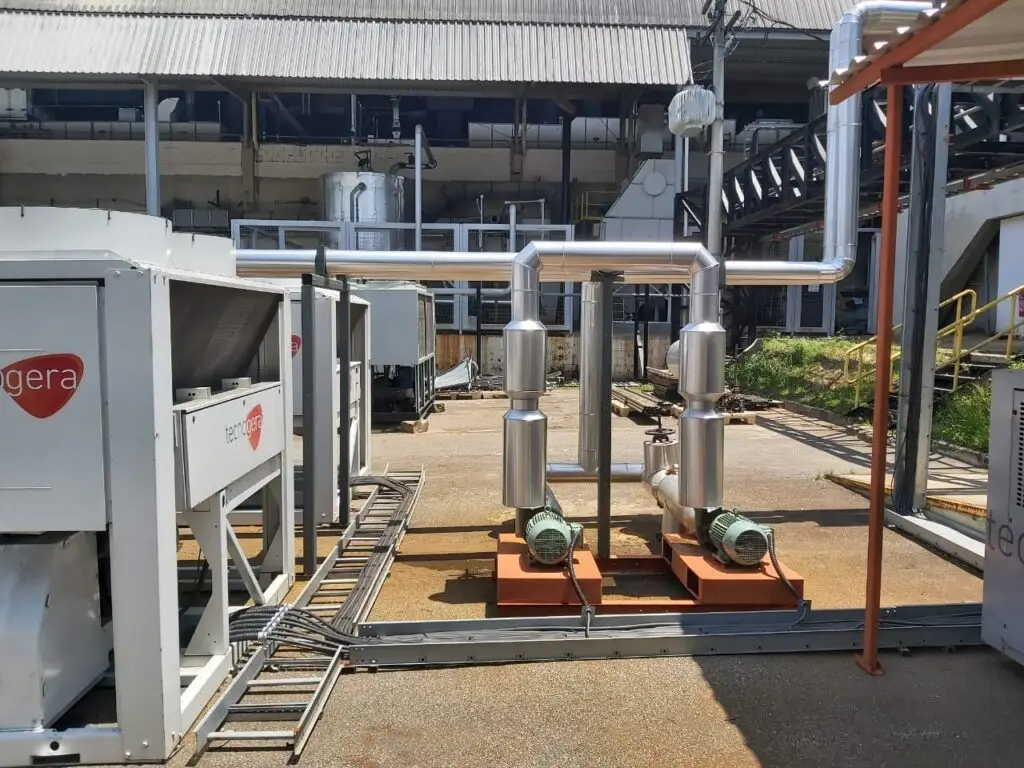
Industrial chillers are large-scale cooling equipment measured in TR (Tons of Refrigeration), ranging from 20TR to 4,000TR. Main types: water-cooled (quiet, 100-2,000TR, ideal for hospitals), air-cooled (durable, 12-350TR, for industries), and absorption (10% less energy consumption). Compressors: Screw (100-600TR), Centrifugal (300-2,000TR, 20% more economical), and Scroll (12-150TR). Renting optimizes investments without the costs of acquisition and specialized maintenance.
Discover the different forms of power generation
Different types of generators convert various energy sources into electricity through chemical, mechanical, thermal, or solar processes. These include solar generation (photovoltaic panels), thermal (steam turbines), chemical (batteries), wind (wind turbines), and fossil fuels (diesel, gasoline, gas). Mechanical generation is more common, found in hydroelectric plants and alternators. The choice depends on the specific application.
The importance of power generators and load banks for data centers
Data centers are essential for businesses, storing critical information that, if lost, can cause significant damage. To ensure continuous operation, it’s crucial to have power generators working alongside UPS systems, providing energy in case of grid failures. Choosing the ideal generator involves analyzing type, size, fuel, and location, with options ranging from 750 kVA to 1000 kVA. Preventive maintenance and regular testing with load banks are essential to ensure the proper functioning of backup systems.
The challenge of providing temporary power for the oil and gas sector
Oil extraction in Brazilian territory can be divided into before and after the discovery of the pre-salt layer. With the exploration of this new source, oil production increased from an average of 40,000 barrels per day in 2010 to 1 million barrels per day in 2016. One of the major challenges is the use of temporary power. Located far from the mainland, these platforms are not connected to the System.
Discover how cooling and climate control systems work
The Chiller system is essential for climate control during hot seasons, especially in December and January in Brazil. This equipment cools water using a refrigerant solution to chill air, equipment, and products. It plays a role in temperature control, humidity, air circulation, and renewal in large spaces. Tecnogera offers rental of robust and efficient Chillers in various capacities to meet diverse needs, from factories to events and construction, ensuring economical and eco-friendly climate control.