Understanding the various forms of power generation available is crucial to ensure the best equipment is used according to the application. All generators share a common trait: they produce electrical energy from a chemical, mechanical, thermal, or even solar action.
With the ability to transform different energy sources into electrical energy, generators offer numerous benefits to businesses. Advantages range from immediate energy availability in case of utility failure to providing a more efficient use for the existing electrical system.
Want to learn more about the different types of power generators and their features? Keep following our post!
The Different Types of Electrical Power Generators
There are different types of generators, each with specific characteristics. Mechanical generation is considered the most common. However, other models can vary depending on the type of initial generation.
The Solar Power Generator
This type of electrical power generator adds value to the application by allowing greenhouse gas emissions to be nearly zero. Among the available generator types, this one uses a semiconductor material—usually silicon—to capture solar rays and convert them into electrical energy, which can be used in various electronic devices.
Another important aspect of this generator is the zero cost for raw materials—solar rays! The installation of solar panels only requires an appropriate space with some solar panels capturing energy, even on cloudy days with many clouds in the sky.
The Thermal Generator
Among the available generator types, the thermal generator performs transformation through the conversion of some type of temperature change or thermal reaction. A good example is steam turbines, which generate electrical energy by transforming hot water into steam and its subsequent expansion.
The thermal generator does not use fuel combustion or heat as an indirect process of generating electrical energy. The heat itself is used to generate energy.
The Chemical Generator
The process of generating electrical energy from a chemical source involves a chemical reaction capable of generating sufficient energy for devices using some external contact, with the complete connection between the positive and negative poles.
A good example is batteries for small-scale use—this type of generator is not yet fully utilized on a large scale due to high costs and is still underexplored. For smaller scales, it becomes a good option, given its miniaturization capability and easy and quick application for machines and equipment.
The Wind Generator
Another type of generator with a sustainable characteristic, the wind generator uses the movement of air flows through the Earth’s atmosphere to move turbines—transforming wind energy into electrical energy. It may seem that this type of generation is similar to mechanical, but the initial matrix can be defined as the wind matrix.
Generation via Fossil Fuels
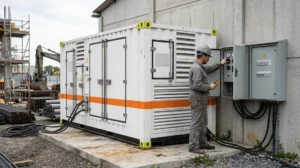
Electrical energy generation via fossil fuel is one of the most common types of generators available and is easily applicable to various scenarios. An important point is that this type of electrical energy generation uses fuel combustion to perform the mechanical movement of the system—also approaching mechanical generation.
There are different types of fossil fuel generators, and the most common are:
Diesel Generators
Diesel generators, which are considered the most durable and cost-effective if used over a long period. The diesel engine has lower consumption and is more durable when properly maintained;
Gasoline Generators
Gasoline generators, which are generally considered cheaper but consume more fuel to deliver the same energy availability as a diesel generator.
Gas Generators
Gas generators, which use different types of gas such as natural or landfill gas to offer high efficiency and are used in high-energy consumption locations like industries and large businesses.
Mechanical Generation
Mechanical generation is present in most types of generators and occurs in the transformation of mechanical energy into electrical energy. Some perform fuel combustion to obtain heat, which then transforms water into steam and subsequently generates electrical energy.
Another example of a mechanical generator that uses only movement to obtain electrical energy is the alternator found in vehicles. It stores electrical energy in the car battery. Hydroelectric plants are also great examples of transforming water movement into electrical energy.
Understanding the different types of electrical power generators is crucial to determine the best application for your business and which equipment will best meet your needs.
If you need temporary energy for your business, rely on partners with the best equipment to ensure the quality your business and electrical system require.
Thinking about renting a power generator, contact us!