

Power Generator: How It Works and a Guide to Choosing the Right One

An alternating current generator converts mechanical energy into electrical energy based on the induction of electromotive force. The simplest model consists of a coil that rotates through a turbine, generating electric current connected to rings that transmit the energy. It differs from a direct current generator by achieving higher voltage and range, although it requires transformation to lower voltages (110V or 220V) for residential use.
What are load banks?
Load banks, also known as resistive and reactive load banks, are essential devices to ensure a constant and secure power supply from generator sets…
Understand what a diesel electric generator is
The electric generator provides power to run industrial machines, supply stores, events, construction sites, and meet residential energy needs during local grid disruptions. A generator with a gasoline or diesel engine is a practical and effective solution. It operates by the movement of a central shaft driven by the fuel combustion process. The resulting mechanical energy is converted into electrical energy by the action of the…
How does generator installation work?

The generator supplies electricity during power outages, being a piece of equipment tested to high safety standards, ensuring the operation of machinery in industries, stores, events, and household appliances. It is essential for security…
How is the National Electric System Operator (ONS) dealing with the water shortage?
The National Electric System Operator manages generation and transmission operations and facilities, ensuring maximum safety and continuity of energy supply in Brazil. During a water crisis, it calculates the Monthly Operation Program, alerting about reservoir conditions and determining…
What are the advantages and disadvantages of energy rationing?
Energy rationing linked to the water crisis is a concern for Brazilians. Most of the energy is produced by hydroelectric plants that rely on water flow, so a lack of water leads to energy shortages. Disadvantages include blackouts affecting the productivity of industries, businesses, and homes. Advantages involve raising awareness about sustainable consumption and conserving natural resources, benefiting the environment.
What are the risks to energy with such low water reservoir storage levels?
The Brazilian water crisis caused by a lack of rainfall affects water supply and impacts electricity supply. About 80% of electricity is generated by hydroelectric plants that are at critical levels, increasing the risk of blackouts and rationing. Central-West, South, and Southeast regions have reservoirs below 20% capacity. Measures like generator rental and wind energy expansion can help mitigate the crisis.
Power technology working for the environment
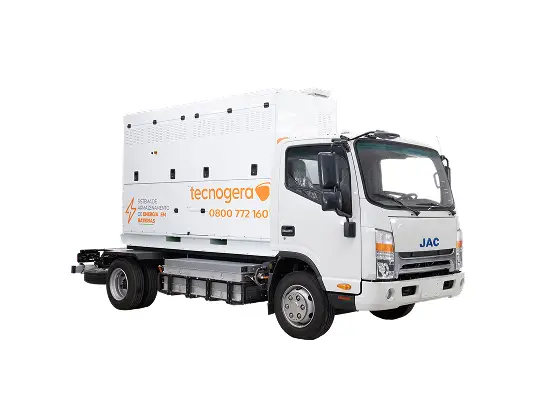
Essential to our lives and daily routines, power generation impacts nature. Each process has its pros and cons, not only regarding the environment but also in terms of feasibility and costs. Learn more about how technology can be used to reduce environmental damage and discover the most sustainable forms of electricity production. Hydroelectric power is the most common in Brazil: about 80% of Brazilian energy is produced this way.
What to do if there’s a power outage affecting agricultural machinery and equipment?
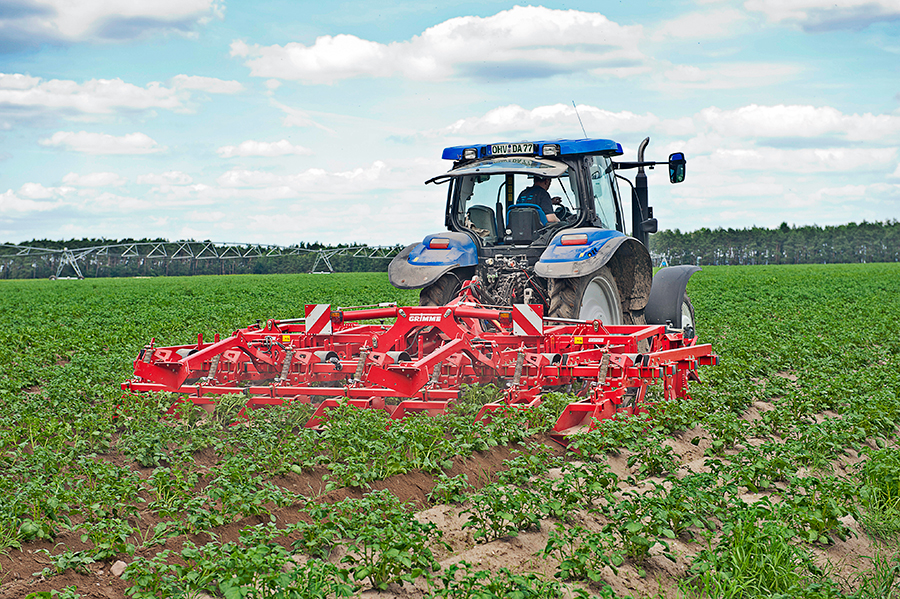
Agriculture requires optimal conditions to ensure productivity, including electrical power for agricultural equipment. It’s crucial to have reliable alternatives when power outages occur. Without proper supply, large machinery can be damaged, and equipment for grain separation and cleaning becomes…
Wind Turbine: what it is, how it works, and its advantages
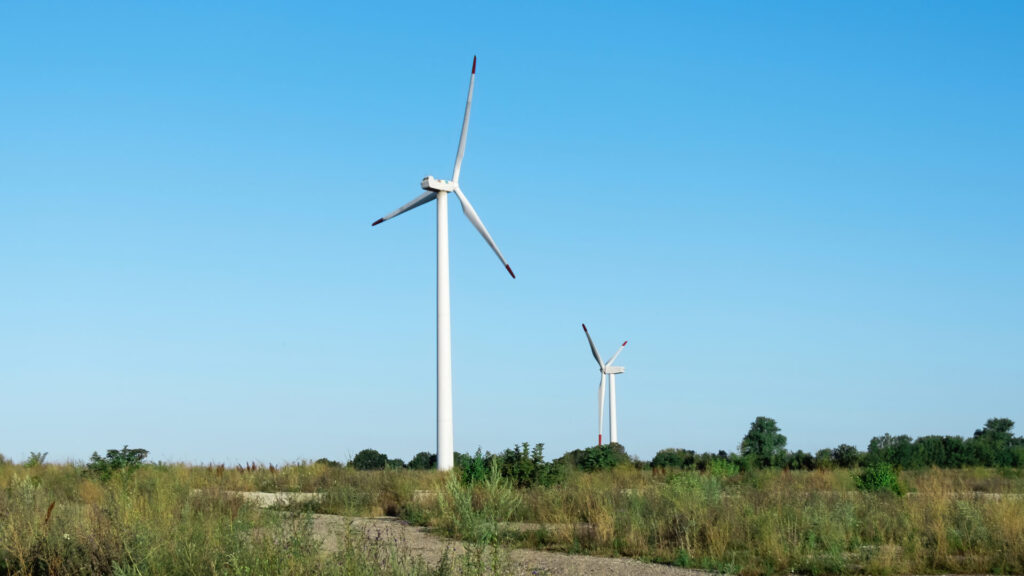
The wind turbine transforms wind energy into electricity, being a sustainable energy generation solution. They are large blades driven by the wind, found in groups to ensure better capture. It works with a rotor, bearings, measurement system, and rotating blades generating mechanical force transmitted to the gearbox that increases shaft speed. Brazil has vertical and horizontal axis models, with horizontal being more developed and suitable for large-scale production. Advantages include less…