

Electrical Voltage: Definition, Formula, Levels, and Practical Applications
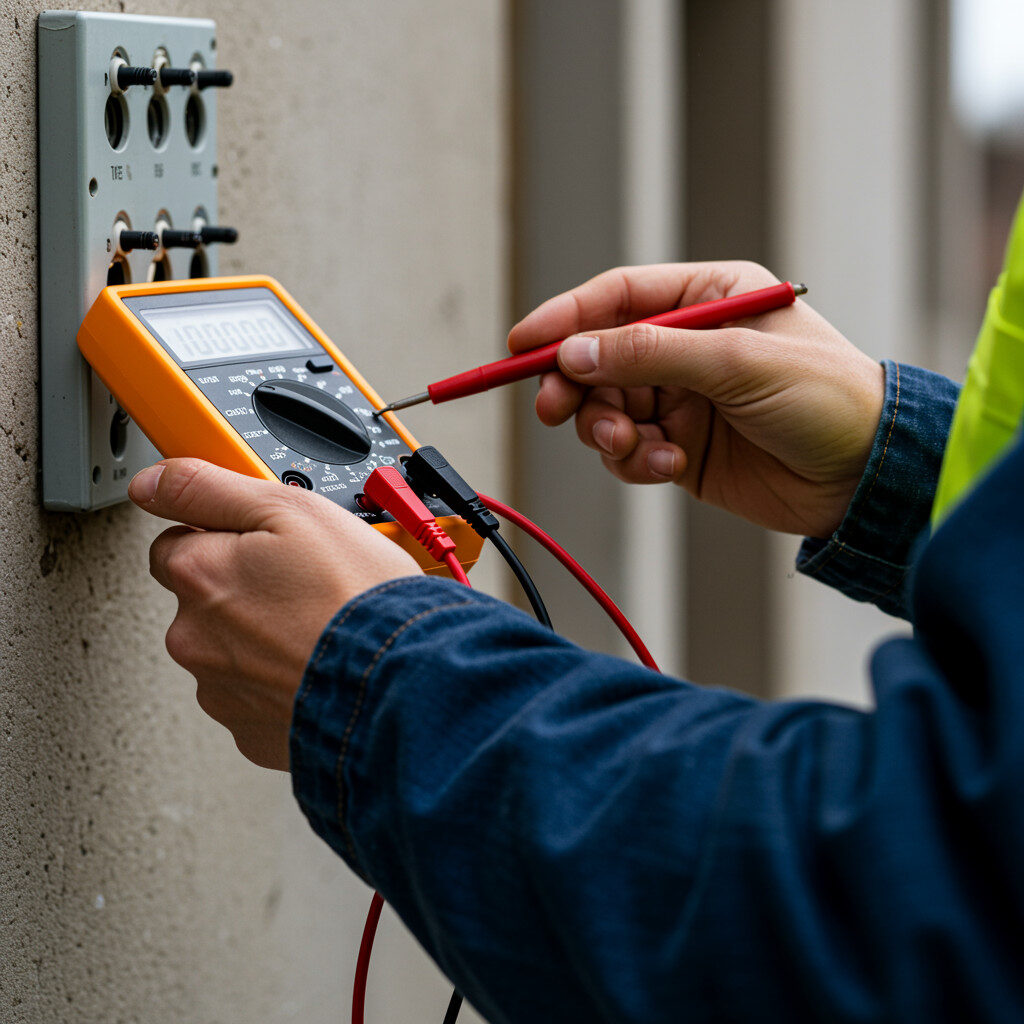
Electrical voltage is the electrical potential difference between two points, responsible for moving electrical charges in a circuit. In other words, it “pushes” the electric current, enabling devices and systems to operate. Measured in volts (V) by a voltmeter, voltage is a fundamental concept in the Brazilian electrical grid. Understanding electrical voltage is crucial for […]
Distributed Generation: What Is It and How Does It Work?
Distributed Generation (DG) involves producing energy close to the consumer, using renewable sources like solar and biogas. It cuts costs, boosts autonomy, and eases the burden on the power grid. In Brazil, DG is regulated by Law 14.300/2022, with key applications in rooftop solar energy and agribusiness. Tecnogera supports clients with backup solutions, consulting, and integration to ensure energy efficiency and security.
Power Supply in Crisis Scenarios: How to Prepare Your Business
In recent years, extreme weather events have become increasingly frequent and intense. Storms, heatwaves, floods, and blackouts have directly impacted power supply in Brazil, causing losses and halting operations. Companies in strategic sectors like mining, offshore, infrastructure, and industry rely on continuous power to maintain productivity and safety. In a climate instability scenario, ensuring power supply with sustainability in mind is a necessity—not an option. Current energy scenario: challenges and vulnerabilities The Brazilian electrical system, despite being robust, faces limitations when subjected to extreme conditions. The combination of aging infrastructure, growing demand, and climate change threatens the stability of power supply in various regions.
Energy: Our Role and the Priority of a Sustainable World

The ESG concept has evolved into EESG by including the economy, prioritizing responsible financial returns while considering social and environmental aspects. Energy is fundamental for all basic needs like water, health, education, and security. Brazil still has 212 communities without connection to the national electrical system. Tecnogera acts as an enabler, offering a fleet of 700,000 kVA with technologies for consumption reduction, diesel, biodiesel, gas, biogas, and solar hybrid systems.
Power Substation: What It Is, How It Works, Types, and Importance
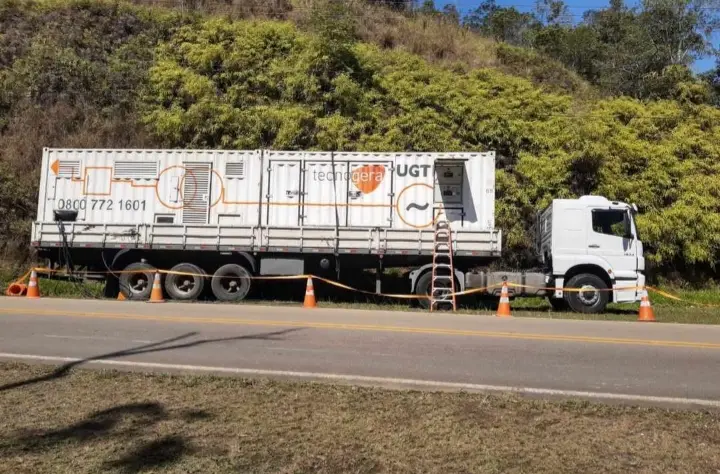
The mobile electrical power substation provides temporary solutions for emergency supply during scheduled maintenance, project energization, and seasonal load management. Key advantages include precise supply, reduced energy bills, and distribution autonomy. During maintenance, it replaces main stations while keeping DEC and FEC indicators within ANEEL limits through ramp transition, ensuring consumers don’t notice the change.
The Importance of Power Generators in Remote Areas

Power generators are crucial for remote areas where utility supply is unavailable or the grid is unstable. They serve camps, surveillance posts, mining sites, isolated communities, and oil platforms. Key challenges include selecting efficient models, identifying viable fuel, and checking conditions to minimize maintenance. The investment extends beyond business activities, contributing to human growth and national development.
150 kVA generator rental: rental advantages and uses
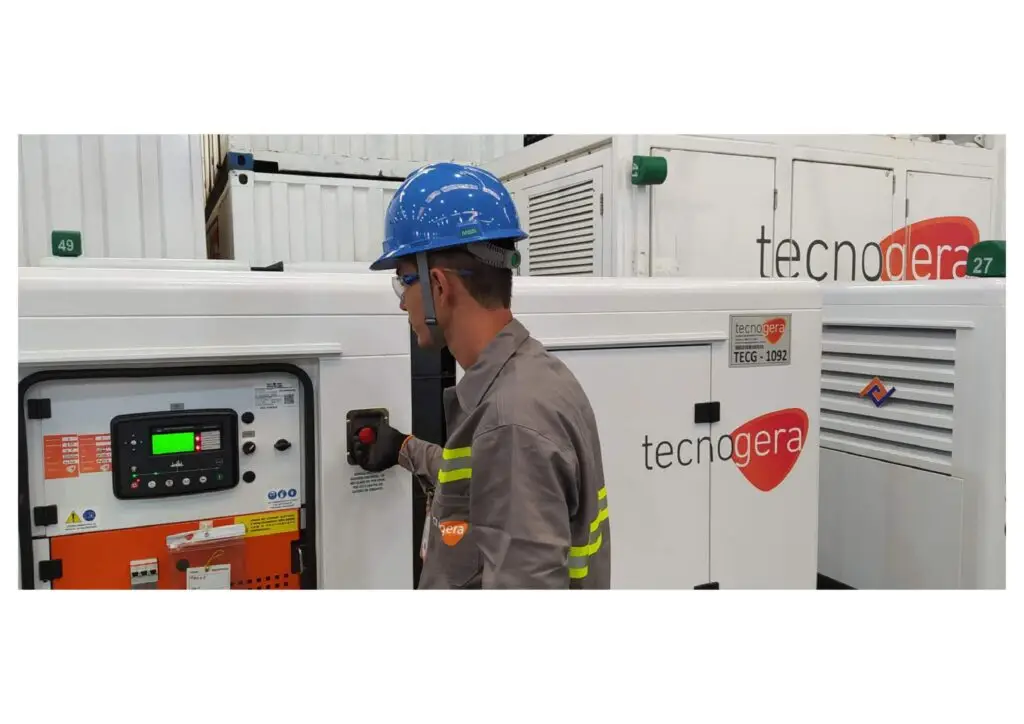
A 150 kVA generator is versatile and maintains supply during outages, reduces energy costs, and serves remote locations. It occupies space equivalent to a parking spot, making it ideal for businesses, residences, and industries. Applications include automotive/pharmaceutical industries, universities, research centers, supermarkets, condominiums, security devices, telecommunications, and data centers. Tecnogera has a fleet of 25-1500 kVA operating 24/7/365 days. The 150 kVA model has a 200-liter tank running up to 13 uninterrupted hours, is quiet, enclosed, and offers excellent performance.
The Importance of Logistics in Temporary Power Supply for Oil Platforms

Providing temporary power for oil platforms presents unique logistical and operational challenges. With consumption levels akin to large cities, these platforms require specially developed generators, like those from Tecnogera, which weigh up to 14 tons and boast 90% domestic content. The equipment includes specific technologies for offshore environments, such as special alternators and fire prevention systems, and undergoes rigorous commissioning tests to ensure safe and continuous operation.
What is the purpose of a circuit breaker?
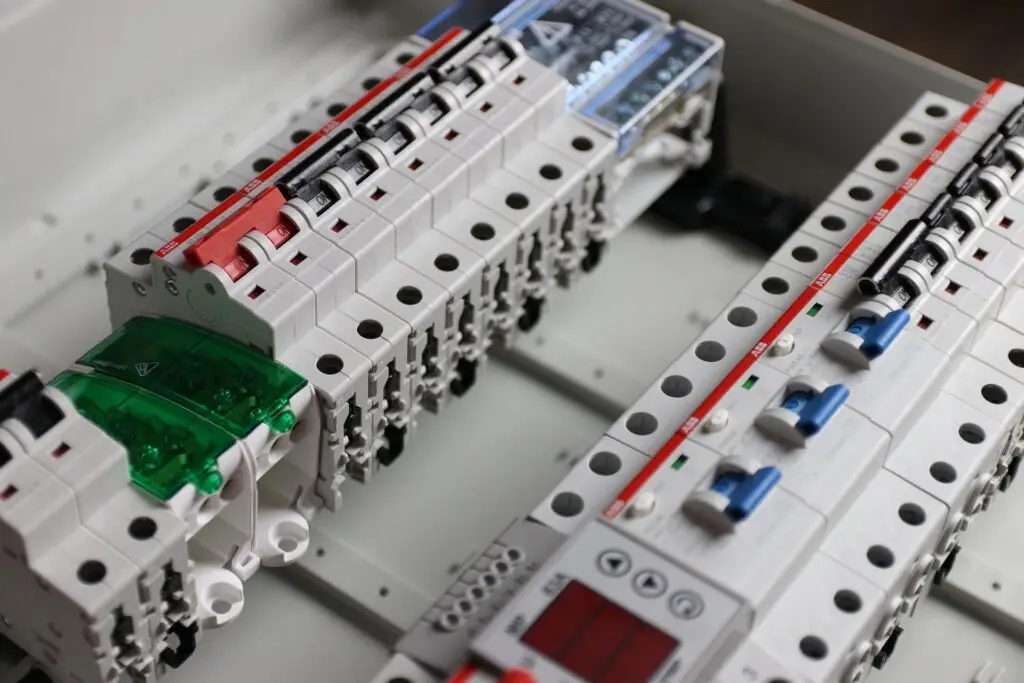
A circuit breaker is a mandatory electromechanical device in electrical installations that protects against faults, overloads, and short circuits. It monitors and controls the electrical current, interrupting the supply when it detects abnormal values. There are different types: magnetic (for precision control), thermal (using metal plate expansion), and thermomagnetic (a combination of both). Circuit breakers range from small ones for domestic use to large ones for high voltage, essential for ensuring the safety and quality of the electrical system.
Industrial UPS vs. Power Generator: Understand the Differences

Both industrial UPS and power generators ensure high-quality electrical supply but operate differently. A UPS uses an internal battery bank that charges automatically, providing almost instant power with limited autonomy, regulating voltage and purity to prevent damaging surges. A generator offers unlimited autonomy as long as it has fuel, is large-scale with high power, ideal for long periods but takes time to reach optimal operation. They can be combined: the UPS acts instantly during failures while the generator prepares, then the UPS shuts down and batteries recharge. This combination completely eliminates interruptions.