

Why is generator rental an efficient and cost-effective choice?
The Brazilian energy system is vulnerable to interruptions due to its hydroelectric matrix and vast territory. Generator rental offers advantages: more predictable costs than tariff flags, use during peak hours, maintenance included, seasonal adjustment for businesses with variable demand, support for construction/expansions and one-off events. Ideal for companies seeking economical backup power without the high costs of acquisition and maintenance.
What is a load bank and what is it used for?
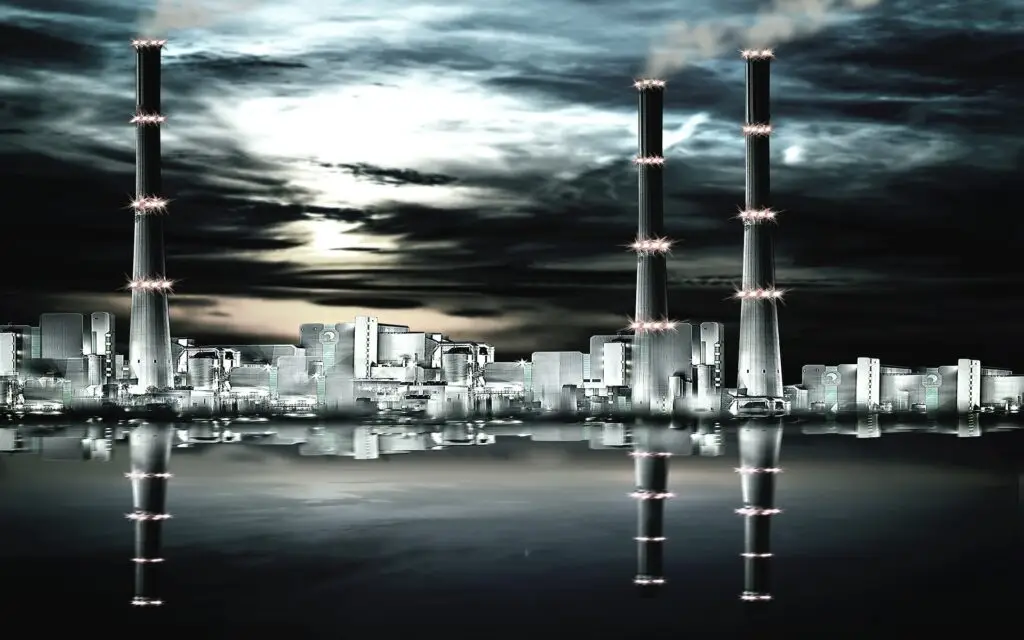
An essential piece of equipment for testing and validating power generation systems, the load bank ensures a continuous and safe electricity supply. Used in renewable energy plants (wind and solar) for generation and transmission testing, it simulates real load before commercial operation. It also regulates generator sets, optimizing fuel consumption and preventing failures. Renting is a more advantageous option than purchasing, with maintenance and technical support included.
Power plants also require alternative energy
Power plants need power generators for process start-ups, scheduled maintenance, and emergency shutdowns. Black Start testing simulates a total blackout to assess recovery time: at the Jirau plant, 24 of the 50 turbines were restored in 30 minutes. Applications include hydroelectric plants like Itaipu and Jirau, distribution substations, sugar-alcohol industries with self-generation, steam turbo generators. Tecnogera offers the EaaS (Energy as a Service) concept with an extensive fleet for scheduled and emergency situations.
Technology in agribusiness, because the energy sector is essential

Brazilian agribusiness represents 21.4% of the national GDP (3.81% growth in 2019), demanding energy security as a fundamental pillar. The sector faces energy instability in remote areas (voltage/frequency fluctuations), impacting technologies: agricultural robots, drones, sensors, electronic irrigation, Big Data, machine learning. Critical cases: milk production (thousands of liters lost without refrigeration), automated milking (interruption affects production), poultry farming (temperature/humidity control vital to prevent mortality). Tecnogera offers EaaS (Energy as a Service): temporary energy with telemetry, preventive/corrective maintenance included, 24/7 service, allowing clients to focus on their core business. Diesel generators are essential for the continuity of remote agricultural operations.
Discover the different forms of power generation
Different types of generators convert various energy sources into electricity through chemical, mechanical, thermal, or solar processes. These include solar generation (photovoltaic panels), thermal (steam turbines), chemical (batteries), wind (wind turbines), and fossil fuels (diesel, gasoline, gas). Mechanical generation is more common, found in hydroelectric plants and alternators. The choice depends on the specific application.
Free Energy Market: Clear All Your Doubts Now
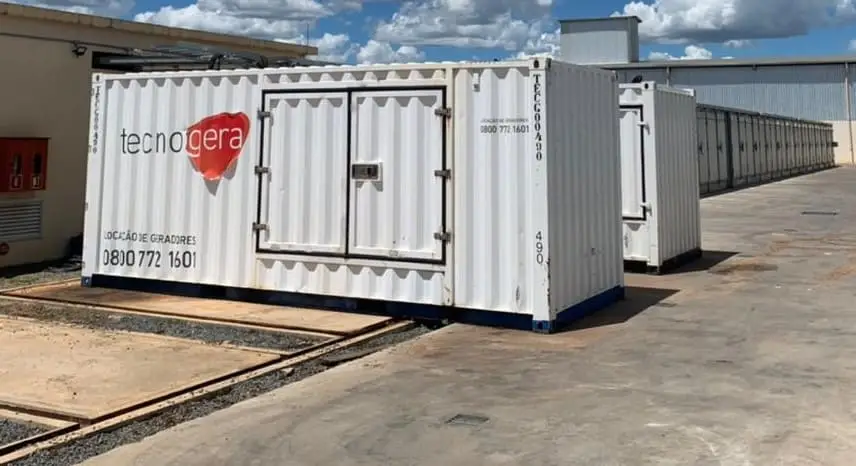
The free energy market allows for the buying and selling of electricity through direct consumer-supplier agreements, offering the freedom to choose your supplier. Two migration categories: companies ≥500kW (renewable sources only: SHP, wind, biomass, solar), companies ≥2,000kW (any power generation source). Organization: ACR (Regulated Contracting Environment 70% of the country’s energy) vs ACL (Free Contracting Environment). Key players: generation (concessionaires, IPPs, self-producers), trading (traders, free/special consumers), distribution (ANEEL concessionaires). Migration process: energy amount assessment, current cost analysis, selection of trading agent, comparative study of proposals, contract termination 6 months in advance. Timeline for limit reduction: 2021 (1,500kW), 2022 (1,000kW), 2023 (500kW). Tecnogera offers a platform to reduce peak energy costs by up to 15%.
How a Switch Works
Devices that control the opening and closing of electrical circuits to turn lights and appliances on or off. They operate simply with two positions: open circuit (energy flows) and closed (interrupted). Main types: single-pole (two terminals), double-pole (two sections), three-way (control from two locations), and four-way (control from multiple locations). Distribution requires planning to avoid overload.
Understand the Differences Between Volts, kVA, and Watts
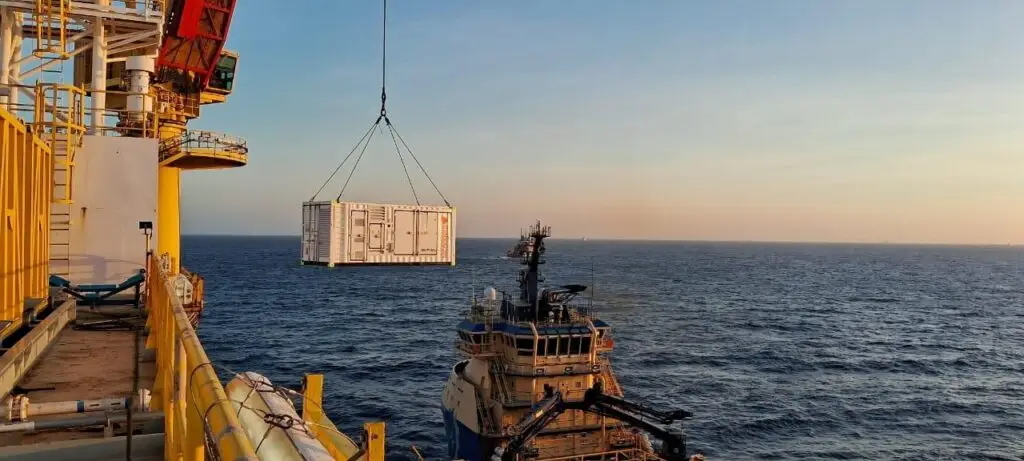
Volts measure electrical voltage (potential difference between points), kVA indicates apparent power in generators (1000 volt-amperes), and watts determine the actual consumption of electrical equipment. For generator sizing, it’s essential to understand these three measurements: voltage for operation, apparent power for capacity, and watts for effective consumption. Knowing the differences helps in choosing the right equipment.
Peak Hour Savings: Do It Smart

Peak hours are 3 consecutive hours of highest electricity consumption with elevated rates, regulated by ANEEL Normative Resolution No. 482/2012. Shutting down equipment is impractical for businesses. Standby generators offer the ideal solution, remaining on standby and automatically activating when needed, providing significant savings without affecting productivity.
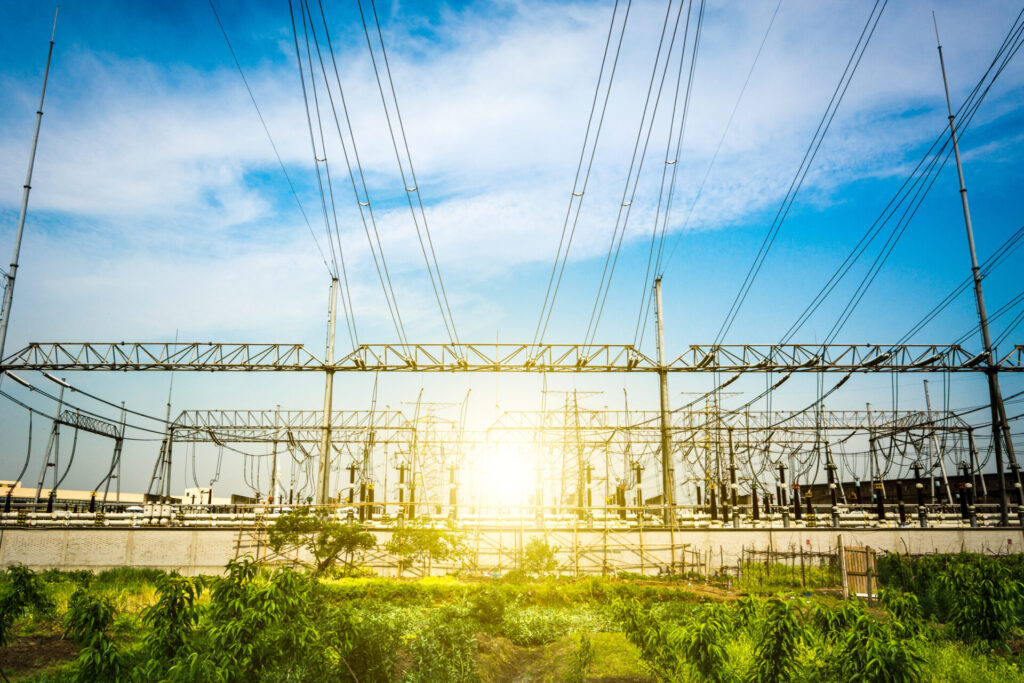
Electricity Distribution in Brazil: How It Works
The electricity distribution system in Brazil consists of three main stages: generation (at hydroelectric, wind, thermal power plants, and others), transmission (via high-voltage lines), and distribution (to end consumers). The National Interconnected System (SIN) spans over 100,000 km and covers 98% of the national territory. Although 99.8% of Brazilian households have access to electricity, only 52.97% of distributors provide satisfactory quality, according to IDEC research.