A power substation is an industrial facility that serves as a connection and switching point within the electrical system. Its main function is to alter electricity voltage levels, receiving high voltage from generation plants and then stepping it down to levels suitable for transmission and finally distribution to end consumers.
To achieve this, it uses essential equipment like transformers, which raise or lower voltage, along with circuit breakers and disconnectors that protect the grid and allow energy flow control.
Beyond voltage transformation, the power substation is crucial for ensuring the safety and stability of the entire electrical network. It monitors, protects the system against overloads and short circuits, and allows electricity redirection, ensuring a continuous and reliable supply.
Thus, it functions as the brain and heart of the distribution system, ensuring energy reaches cities, industries, and homes with quality and safety.
Index
- How does a power substation work?
- What is the importance of a power substation?
- Types of power substations
- What are the main advantages of a power substation?
- Main components of a power substation
- How is maintenance performed on a substation?
- Applications of mobile substations
- Standards and safety in power substations
- Substation solutions with Tecnogera
How does a power substation work?
A power substation acts as a strategic point in the electrical system. It receives energy at a certain voltage level from transmission lines and transforms it to a new level, suitable for the next stage of the journey.
The most common process starts with voltage elevation. Near generating plants, substations raise the voltage to very high levels. This is done so that energy can travel hundreds of kilometers with minimal losses.
On the other end, near consumer centers, the reverse process occurs: voltage reduction. Step-down substations gradually lower the voltage until it reaches a safe level for use in industries, businesses, and homes.
What is the importance of a power substation?
Substations are the heart of the electrical grid. Without them, it would be impossible to efficiently and safely deliver the energy generated at plants to end consumers, ensuring continuous supply to cities and industries.
They also ensure the stability and reliability of the entire system. By controlling the flow and voltage of energy, substations prevent overloads and fluctuations that could damage equipment and cause widespread blackouts.
Additionally, they function as protection points, with equipment capable of isolating sections of the grid in case of failures, like a short circuit. This prevents a localized problem from spreading and affecting the entire electrical system.
Types of power substations
Substations can be classified in various ways, either by their function in the electrical system or by how they were constructed. The most common classification is based on their primary operational purpose.
The main types include:
- Step-Up Substation, which increases voltage near plants.
- Step-Down Substation, which reduces it for distribution.
There are also Distribution Substations, which deliver energy at medium voltage to neighborhoods.
Additionally, there are Switching Substations, which do not transform voltage but merely redirect energy flow. And, of course, Mobile Substations, compact and transportable solutions ideal for temporary or emergency situations.
What are the main advantages of a power substation?
The main advantage of a power substation is transmission efficiency. Raising the voltage drastically reduces energy losses during long-distance transport, optimizing the use of generated resources. This efficiency also contributes to energy savings, by minimizing waste and maintaining system stability.
Another fundamental point is the safety and reliability of the process. Substations have protection systems that isolate failures and ensure a more stable and secure energy supply for everyone.
They also offer operational flexibility, allowing utilities to manage energy flow and make maneuvers to meet demand. This ensures system scalability to serve new regions.
Finally, substations ensure the quality of delivered energy. By regulating voltage, they protect sensitive electronic equipment in industries and hospitals, which depend on clean and stable energy to operate.
Main components of a power substation?
A substation consists of various equipment working together. Discover the main ones:
- Power Transformers: are the heart of the substation, responsible for raising or lowering electrical energy voltage levels.
- Circuit Breakers: act as automatic high-power switches, capable of interrupting energy flow in case of overload or short circuit.
- Disconnect Switches: allow isolating equipment or circuit sections visibly, ensuring safety during maintenance work.
- Buses and Connections: are robust conductors that interconnect different equipment within the substation, distributing energy among them.
- Protection and Control Systems: the “brain” of the substation. Relays and controllers monitor the grid and activate circuit breakers to protect the system.
- Lightning Arresters and Grounding Systems: protect equipment against atmospheric discharges (lightning) and ensure operator safety.
- Measurement and Monitoring Equipment: meters and sensors that record energy consumption and monitor network quality, essential for billing and system management.
How is maintenance performed on a substation?
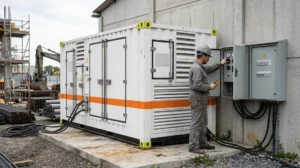
Maintenance on a substation is a rigorous process involving inspections, tests, and planned repairs to ensure maximum reliability and safety. It can be classified as predictive, preventive, or corrective.
Typically, complete preventive maintenance is performed annually, while visual and thermographic inspections (which detect hot spots) can occur every six months. The goal is to identify and correct failures before they cause a shutdown.
Predictive maintenance monitors equipment condition to anticipate failures and act before they occur. Corrective maintenance happens when equipment or processes have failed and need correction.
Maintenance costs in a substation vary greatly depending on the size, complexity of the substation, and type of service. However, the investment is always less than the damage caused by an unexpected failure.
Remember: lack of maintenance costs much more.
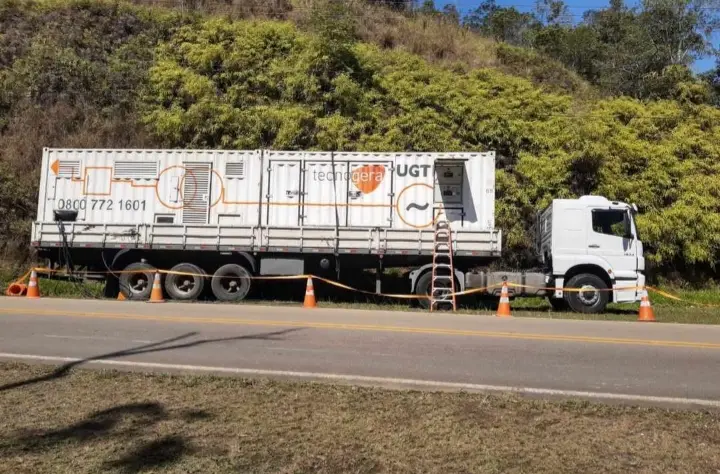
To ensure your company’s operations don’t stop during scheduled maintenance, Tecnogera offers mobile substations as a solution. They temporarily take over the load, ensuring your business continues without interruptions.
Applications of mobile substations
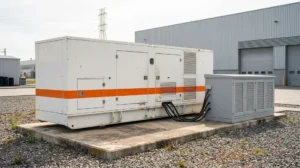
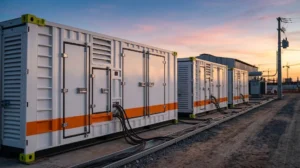
Mobile substations are a versatile and strategic solution. They are mounted on trailers and can be quickly relocated to any location, meeting various temporary energy needs.
Their main applications include:
- Emergency Response: quick energy restoration after system failures, natural disasters, or accidents damaging a fixed substation.
- Scheduled Maintenance: allow the main substation to be shut down for repairs or upgrades without interrupting energy supply.
- Temporary Demand Increase: ideal for large events, construction sites, industrial projects, or seasonal production peaks requiring more energy.
- New Load Connections: provide energy for new industrial installations or developments while permanent infrastructure is still being built.
Standards and safety in power substations
The operation of substations is governed by strict technical standards to ensure the safety of everyone involved. The main references in Brazil are the standards of the Brazilian Association of Technical Standards (ABNT), such as NBR 14039, regulations from the National Electric Energy Agency (ANEEL), and international standards from the International Electrotechnical Commission (IEC).
These standards define everything from equipment design requirements to safety procedures for operation and maintenance. This includes the mandatory use of Personal Protective Equipment (PPE), such as helmets, insulating gloves, and flame-resistant clothing.
Additionally, Collective Protection Equipment (CPE) is required, such as warning signs, isolation barriers, fire extinguishers, and temporary grounding systems, essential for accident prevention.
Rent power substations with Tecnogera!
Whether for a scheduled shutdown, a large-scale event, or an emergency situation, power outages are not an option.
Tecnogera understands this need and offers complete and customized solutions to ensure your business continuity.
Our fleet includes mobile substations, transformers, and all the necessary infrastructure for projects of any size. We have a team of specialists to plan and execute the best solution for your demand, with agility and safety.
Don’t let your operation stop. Count on the leader in temporary energy. We offer complete temporary energy solutions, such as generator and power substation rentals throughout Brazil.
Contact our consultants and find out how we can energize your project.