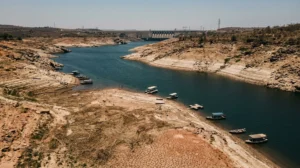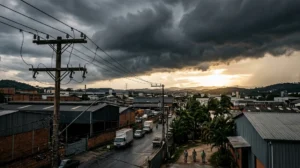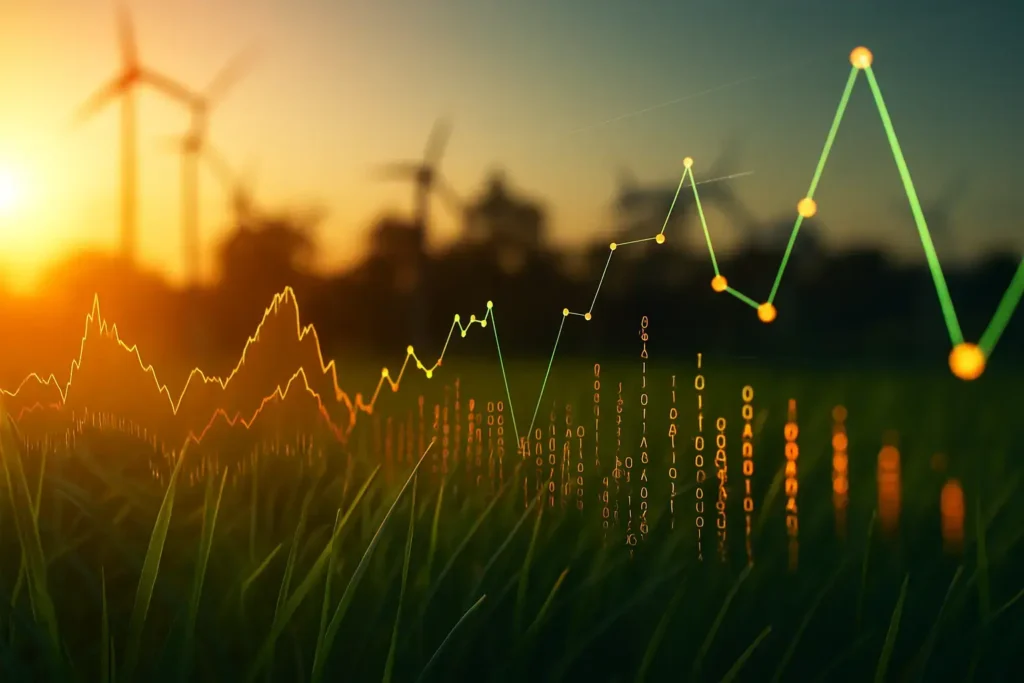
In recent years, extreme weather events have become increasingly frequent and intense. Storms, heatwaves, floods, and blackouts have directly impacted power supply in Brazil, causing losses and halting operations. According to the United Nations (UN), 11 extreme weather events were recorded in Brazil in 2023, with nine being unusual and two unprecedented. Additionally, five heatwaves, three intense rains, one cold wave, one flood, one drought, and one extratropical cyclone were also reported. Companies in strategic sectors like mining, offshore, infrastructure, and industry rely on continuous power to maintain productivity and safety. In a climate instability scenario, ensuring power supply with sustainability in mind is a necessity—not an option.
Current energy scenario: challenges and vulnerabilities
The Brazilian electrical system, despite being robust, faces limitations when subjected to extreme conditions. The combination of aging infrastructure, growing demand, and climate change threatens the stability of power supply in various regions.
Below are the main challenges currently faced:
- Increasing number of extreme weather events in different regions of the country;
- Overloaded electrical infrastructure vulnerable to environmental damage;
- Blackouts, fluctuations, and network failures directly impact production;
- High dependency on the public grid in remote or hard-to-access locations;
- Difficulty in rapid response to energy emergencies;
- Increased costs with corrective maintenance and operational delays;
Impacts of weather events on power supply
Heatwaves increase energy consumption and overload the electrical grid. Storms and floods compromise equipment, damage structures, and cause prolonged blackouts. These events lead to activity shutdowns, affect deadline compliance, and increase operational risks. In many cases, there is loss of inputs, failures in critical systems, and million-dollar losses. Additionally, teams are exposed to safety risks due to lack of proper lighting or ventilation. In sectors with continuous operation, the impact is even more significant. Therefore, preparing in advance is essential to ensure your business’s energy resilience.
Energy resilience strategies for your business
In an energy instability scenario, anticipating risks and structuring action plans are actions that differentiate resilient companies. Adopting solutions that ensure autonomy and continuity in operations is essential to minimize losses and maintain competitiveness.
Implement temporary power solutions
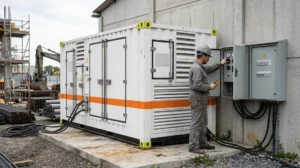
Using generator sets, such as standby units, diversifies and ensures various types of power supply even in case of grid failures.
Invest in mobility and agility
Having partners that offer emergency service and fast logistics throughout Brazil is crucial.
Utilize embedded technology
Solutions with remote monitoring, predictive analysis, and telemetry provide more control and performance.
Create personalized contingency plans
Having a strategic plan for different scenarios prevents hasty decisions and operational losses.
Establish trusted partnerships
Companies with a track record in crisis situations offer greater security, technical support, and SLA compliance.
Tecnogera: solutions for your business continuity
Tecnogera is a national reference in energy, continuous supply, and emergency support. We provide complete solutions to ensure your company continues operating safely and efficiently, even in the face of climate crises.
Our projects involve generator rental, aerial work platforms, chillers, and other temperature control equipment, load banks, and light towers. We serve all of Brazil with agile technical teams, 24/7 support, and embedded technology.
Whether for an emergency demand or a robust contingency plan, our expertise allows us to deliver adaptable solutions, high performance, and guaranteed compliance.
Protect your operation against climate risks. Talk to Tecnogera and discover how we can ensure your business continuity—in any scenario. Check out other content and news about energy to enhance your knowledge.