The National Electric System Operator (ONS) is the body responsible for the centralized control of all energy generation and transmission operations and facilities in Brazil. Its main mission is to ensure the safety and continuity of electricity supply throughout the national territory.
The role of ONS during the water crisis
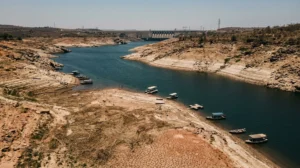
During periods of drought and lack of rain, ONS assumes an even more strategic role:
- Develops the Monthly Operation Program (PMO)
- Monitors reservoir levels in real-time
- Issues alerts about the water situation
- Coordinates measures to optimize the use of available resources
Crisis containment measures
Given the low capacity of the reservoirs, ONS can adopt the following measures:
1. Controlled supply reduction
- Implementation of scheduled rotations
- Voltage reduction during peak hours
- Activation of thermoelectric plants as a complement
2. Regional Load Relief Scheme (ERAC)
ERAC is an extreme measure that can be determined by ONS, involving:
- Scheduled shutdowns in specific regions
- Temporary load reduction
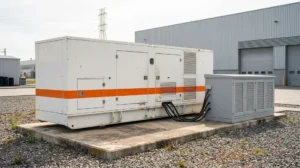
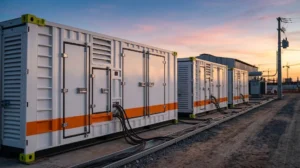
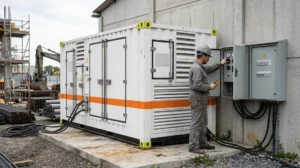
- Activation of backup generators
Practical example: 2015 Crisis
At the beginning of 2015, states such as:
- São Paulo
- Rio de Janeiro
- Minas Gerais
- Goiás
experienced power supply interruptions ranging from minutes to hours, as part of crisis containment measures.
Organizational structure
ONS operates under the supervision of the National Electric Energy Agency (ANEEL) and works in conjunction with:
- Energy concessionaires
- Generation and transmission agents
- Government bodies
- Electric sector monitoring committees
Planning for the future
In the face of climate change and increased energy demand, ONS has been investing in:
- Diversification of the energy matrix
- Modernization of the transmission system
- Implementation of renewable sources
- Improvement of forecasting and monitoring systems
These initiatives aim to increase the resilience of the national electric system in the face of climate and demand challenges.