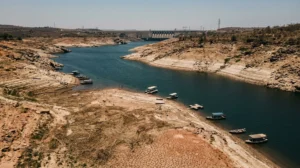
In recent months, Brazilians have been hearing about a concerning measure: the possibility of energy rationing associated with the water crisis. It’s important to note that most of the country’s energy is produced by hydroelectric plants, which directly depend on water flow to generate electricity. Therefore, a lack of water leads to a shortage of electricity and the need for rationing.
Disadvantages of energy rationing
The main and most well-known issue related to energy rationing is the blackout, which affects both the productivity of industries and offices and leisure time at home. Thus, rationing can compromise the entire financial and productive market.
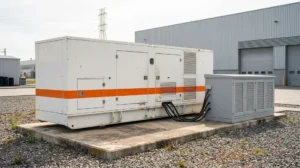
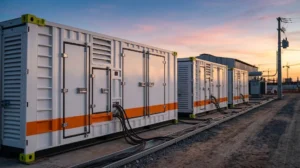
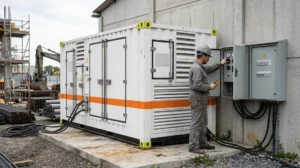
Another significant disadvantage related to energy rationing concerns establishments that depend on electricity, such as supermarkets, schools, and hospitals.
Advantages of energy rationing
Despite being concerning, the water and energy crisis can bring advantages. The delicate situation has led to a positive phenomenon of saving water and electricity, which is beneficial not only to mitigate the crisis issues but also for the environment as a whole.