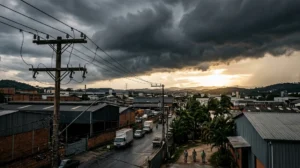
Those working in agriculture understand the importance of optimal conditions to ensure productivity and achieve positive results, especially regarding the use of electrical power for operating various agricultural equipment.
Nowadays, it’s essential to have safe and effective alternatives to resume activities whenever power outages or electrical supply failures occur.
It’s important to note that without adequate electrical power supply, large electric machinery can be damaged, and various types of equipment used for grain separation and cleaning become inoperable, hindering agricultural activities.
This can lead to altered deadlines, and products may arrive late at supermarkets or even spoil.
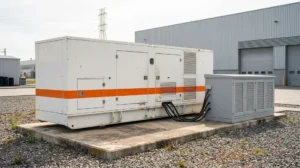
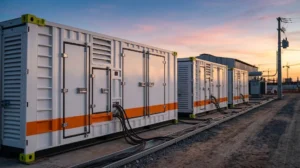
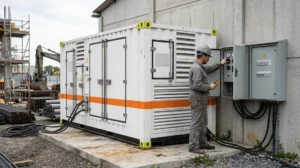
As a solution, the use of power generators can address a significant part of the problem.
This device is quickly activated in case of failures in the electrical power supply system, normalizing equipment operation and preventing disruptions.
Water crisis vs. electrical power in agriculture
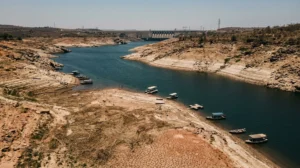
Another point to consider is the impact of the water crisis on agriculture, particularly in the southeastern region.
Besides the lack of water being detrimental to crops — which directly depend on this natural resource — electrical power is also affected during a water crisis.
This is because almost all the energy generated in the country relies on water power.
In such situations, the power generator can take over and supply water pumps and various other agricultural equipment with full capacity and safety.