

What to do when the power goes out?
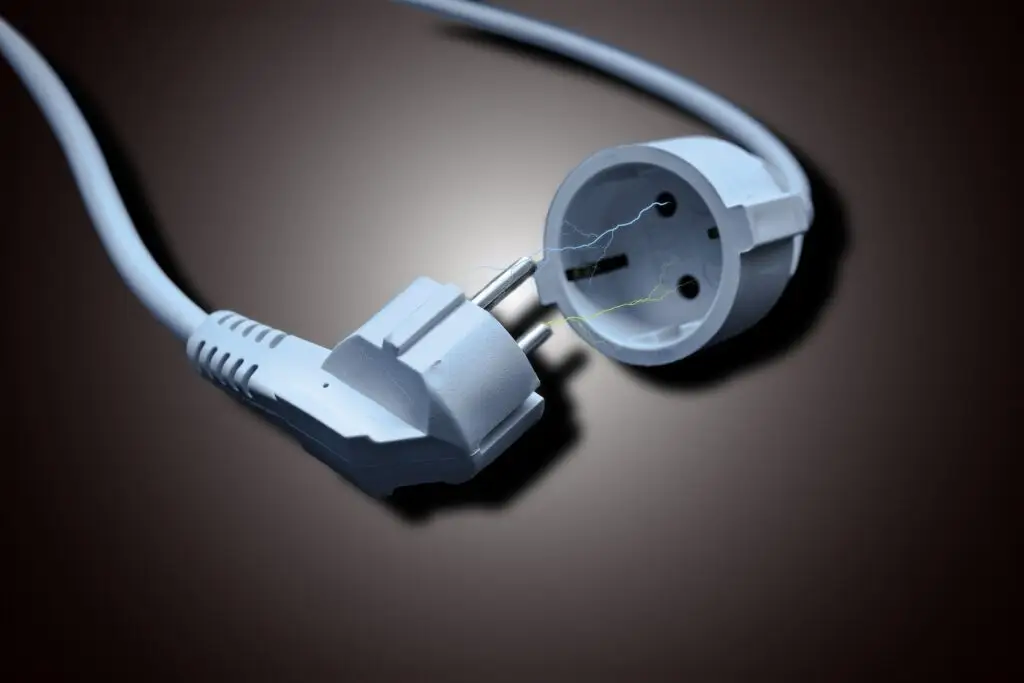
Heavy rains, winds, lightning, pole accidents, branches on power lines, overloads, and scheduled shutdowns cause power supply failures. To avoid setbacks, the best option is to use an appropriate generator. Precautions include unplugging devices, checking if the outage affects only your residence or the region. Check the circuit breakers in the power panel and contact…
Government encourages businesses to use generators during peak hours
Minister Eduardo Braga confirmed an emergency plan to ensure energy supply during peak demand hours between 2 PM and 5 PM. The focus is on encouraging the use of private generators by businesses, hotels, and shopping centers in the afternoon, and energy production by industries and independent producers. With generators alone, it would be possible to obtain 1,500 megawatts. Ensuring supply has become the government’s top priority as it seeks voluntary consumption reduction.
How is power outage prevention managed at major airports in Brazil and worldwide?
Reducing electricity consumption goes beyond just residential and commercial use. Airports utilize power generators to meet the needs of essential systems like communication, tracking, and landing control. Generators provide emergency security during blackouts, activating automatically to prevent disruptions such as canceled or delayed flights, especially during peak travel seasons.
Why use a silent power generator?
With declining energy production and rationing alerts, households are opting for generators as a precaution. These devices act as reserves, powering equipment for hours, ensuring operation and easing daily routines. They keep the environment lit, the refrigerator running, and electronics in use. When choosing, consider meeting needs, size, power, cost, and safety. Key features include fuel tank capacity and air outlet for cooling to prevent overheating. A silent model is the best choice for less noise, avoiding complaints from neighbors, especially with a gasoline engine.
What are resistive, inductive, and capacitive loads?
In an electrical grid, there are three types of loads: resistive, inductive, and capacitive, all related to the power factor, which measures if the received energy meets daily needs. Resistive loads, used in irons, showers, and incandescent bulbs, have synchronized current and voltage, resulting in a unitary factor. Inductive loads in motors and transformers create magnetic fields with lagging current, having a factor…
How does a load bank for UPS work?

Anyone working in an office or owning a computer at home has likely heard of a UPS, an uninterruptible power supply that regulates the voltage and purity of the power reaching computers and other electronic devices and industrial equipment connected to it. The load bank for UPS is a system that allows the coupling of resistive electrical loads to power generators or battery banks, ensuring continuous power supply and preventing failures.
What is the function of an automatic transfer switch?
The automatic transfer switch (ATS) is the most important device for a power generator, maintaining safety control and executing functions that ensure energy supply. It can be programmed for immediate switching or interruption of the external grid’s electrical signal, automatically activating the generator when needed. Ideal for systems that cannot experience power interruptions, such as industries, hospitals, large events, and businesses.
The Importance of a Generator for Industrial Refrigeration Systems

Industrial refrigeration systems ensure a low-temperature environment suitable for cold storage, supermarket stocks, and pharmaceuticals. For uninterrupted operation, the energy supply must be constant. It’s essential to have a power generator to prevent losses due to electrical supply failures, keeping refrigerators, air curtains, and air conditioning units fully operational.
How Electrical Power Transmission Lines Work
The electrical power transmission system transports electricity from power plants to end consumers through high-voltage lines. In Brazil, 70% of the energy comes from hydroelectric plants like Itaipu. The system has three main components: towers that support the cables, insulators that prevent losses, and substations that adjust the voltage for safe use.
Why does a building need a power generator?

During the summer, increased demand causes power outages, making the lack of energy a major inconvenience. Installing a power generator can be particularly beneficial in buildings due to its cost-effectiveness. In case of outages, generators can supply power for over 12 hours to elevators, gates, pumps, alarms, intercoms, and lighting. The São Paulo Building Code mandates…