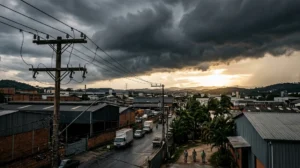
Blackouts, power failures, energy surges. It’s when the electricity goes out that we realize we can’t live without it. During the summer, increased demand leads to power outages in various regions of Brazil, and the lack of energy becomes a major inconvenience for businesses, residential complexes, and streets.
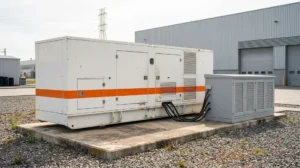
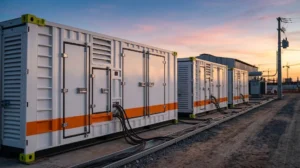
To mitigate the security risks caused by power outages, installing a power generator can be a very appealing idea, especially in residential and commercial buildings, where the cost-benefit ratio is quite advantageous.
In the event of a power outage, generators can maintain electricity for over 12 hours, depending on the load required by elevators, electronic gates, water pumps, alarms, intercoms, and common area lighting.
According to the São Paulo Building Code, it is mandatory to have an emergency elevator powered by a generator in residential buildings over 80 meters tall. For buildings intended for other uses, the rule is stricter and applies to those over 60 meters tall. It’s important to note that having generators for elevators is also crucial for the mobility of people with reduced mobility or disabilities.
Installation Precautions
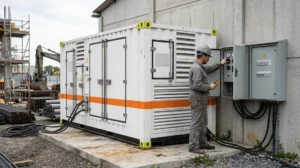
The installation of power generators requires certain precautions: all electrical components must be properly inspected and in excellent working condition. One of the first steps the building manager should take is to schedule a technical visit to assess the necessary power and voltage of the equipment that will supply energy to the building. Additionally, the installation process must comply with the standards of the Brazilian Association of Technical Standards (ABNT).