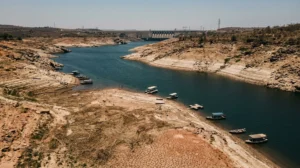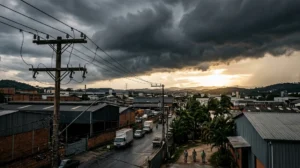
Having an energy contingency plan is a practice many companies only remember to implement after the power has already gone out.However, it is essential to ensure operational continuity in the face of a range of unexpected events, such as conventional grid power outages, electrical fluctuations, extreme weather phenomena, fires, short circuits, unexpected construction, accidents, health crises, and even regulatory or tariff changes.These events often compromise the functioning of critical and sensitive areas of your operation. When this happens, the losses can be significant.Therefore, considering solutions like generators, substations, and contracts with specialized energy partners becomes a strategic necessity rather than an option.Understand its importance and how to create an effective energy contingency plan to respond to problems quickly without losing control of the situation.
Why Your Operation Needs an Energy Contingency Plan
What exactly is a contingency plan? It serves to minimize the impact of incidents and identify the necessary actions and responsibilities to address problems.A well-structured energy contingency plan acts as a quick response guide, designed to preserve the company’s operations and maintain the original plan, even in unstable scenarios it:- avoids financial, operational, and legal issues;
- protects machines, systems, and sensitive data;
- ensures operational continuity, even in emergencies;
- guarantees the safety of employees and critical processes;
- minimizes panic or insecurity during crises;
- prevents reputational damage and maintains client and partner trust;
- provides greater energy autonomy and consumption predictability.
Main Risks and Impacts of Power Outages in Companies
When the power fails, the consequences can be irreparable. Companies that are unprepared suffer losses on multiple fronts, compromising delivery, internal structure, and even client relationships.Check out the main risks and impacts of power outages:- loss of productivity: halted production, interrupted services, delayed deliveries;
- increased financial costs: revenue loss, contractual penalties, maintenance costs, and wasted resources;
- equipment damage: equipment burnout, system failures, and maintenance needs;
- safety issues: failures in automated controls, lighting, and access;
- data loss: abrupt system shutdowns or backup failures;
- professional civil liability risks: breach of contractual obligations and potential legal actions.
Steps to Create an Effective Contingency Plan
Creating an energy contingency plan is a strategic decision for companies operating with critical processes that cannot risk unexpected shutdowns.Below are the essential steps to develop a robust, functional plan tailored to your business reality.Create a Committee of Employees and Partners
Conduct a Risk Diagnosis and Assessment
Select Priorities
Develop Contingency Policies and Procedures
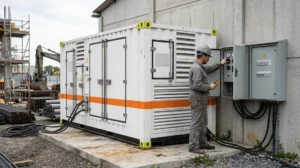
- defining alternative sources, such as generators, battery storage systems, or solar energy with backup;
- automatic or manual activation routines;
- internal and external communication flows;
- evacuation plans;
- safety points;
- protocols for returning to normal operations.
Conduct Plan Execution Tests
Rely on the Support and Expertise of Tecnogera
More than just equipment, an energy contingency plan requires experienced partners who can act quickly, precisely, and responsibly.Tecnogera is a leader in temporary and emergency energy solutions, with a strong presence in various economic sectors, especially in high-complexity and critical operational contexts.With 18 years of expertise, we have been at the forefront of strategic operations during major events, climate crises, utility failures, and periods of above-average energy demand.We deliver technical planning, tailored infrastructure, remote monitoring, 24-hour on-call teams, and specialized technical support.Whether through generator rentals, standby systems, hybrid solutions with load banks, integration with solar energy, or turnkey projects on demand, we understand your business operations to propose energy solutions that ensure continuity, safety, and cost savings.Contact Tecnogera and discover how we can support your energy contingency plan and operational continuity.Related topics: Energy Contingency Plan in HealthcareDiesel or Gas Generator? Know the Differences.Read also: how to test an electrical contingency plan