The energy infrastructure is the backbone of productive sectors like industry, commerce, and agribusiness. Without a robust and reliable network, economic progress is hindered, limiting strategic goals, productivity, and the ability to attract investments.
With population growth and rapid urbanization, especially in large urban centers, the demand for energy is continuously increasing.
According to data from the Energy Research Company (EPE), the projected growth in consumption over the coming years presents significant challenges to the capacity of existing networks.
In light of this, investing in projects to expand reach, improve efficiency, and ensure resilience of the electrical infrastructure becomes essential.
For companies, this means not only operational continuity but also safeguarding their reputation and institutional image.
Why Energy Infrastructure Affects Company Reputation
The relationship between energy management and corporate image is direct because energy is synonymous with operation. Modernizing and ensuring the reliability of this structure is not just a technical measure but a strategic decision impacting competitiveness, brand image, and stakeholder relationships.
After all, interruptions in energy supply can cause immediate losses, such as production line stoppages, loss of inputs, failures in essential services, and long-term damage to the organization’s image.
The market is increasingly demanding and transparent, so such failures are perceived as signs of unpreparedness or poor management, affecting the trust of customers, investors, and partners.
Investing in quality energy infrastructure is, therefore, a way to shield corporate reputation, reduce risks, and reinforce the commitment to operational excellence.
Cases Where Energy Failures Compromised Corporate Image
The impacts of poor energy management on corporate reputation can quickly turn into crises.
Public perception of a company’s ability to maintain uninterrupted and well-structured operations is closely tied to its energy resilience.
Some examples of how energy infrastructure affects company reputation:
- Rio 2016 Olympics: In the months and days leading up to the event, there were reports of energy problems in some Olympic facilities and the Olympic Village itself.
News of power outages in athlete accommodations, for instance, generated negative headlines and affected the image of the Rio 2016 Organizing Committee and supplier companies (like Light in Rio de Janeiro).
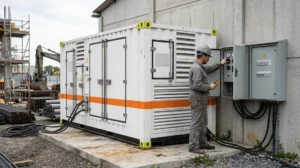
Tecnogera was present to ensure energy supply for the opening and closing ceremonies, as well as 25 sports arenas.
- Blackout in Amapá in 2020: About 90% of the state’s population experienced the event. More than 750,000 people were without power for weeks.
The delay in response and service normalization generated distrust, protests, and negative media coverage, directly impacting the reputation of companies involved in the local electrical network distribution and management.
Among those involved were: the National Interconnected System (SIN), the National Electric System Operator (ONS), Macapá Transmission Lines (LMTE), and the Amapá Electricity Company (CEA).
- Blackout in São Paulo in 2024: In October of that year, 42% of São Paulo’s capital residents were without electricity for over 24 hours.
Amid the crisis, Tecnogera recorded an increase of over 1,000% in demand for emergency energy solutions, responding to about 600 calls in record time.
The episode reinforced the importance of strategic partnerships with prepared companies to offer safe, reliable, and immediate solutions.
Sustainability and Efficiency as Brand Positioning
The pursuit of energy efficiency is one of the main strategies for companies aiming to position themselves sustainably and responsibly.
With the growing global concern about climate change and the need to reduce greenhouse gas emissions, energy management has gained new importance in corporate decisions.
In practice, energy efficiency means adopting technologies and processes that reduce waste and maximize the intelligent use of energy, producing more with fewer resources.
This optimization generates operational gains, reduces environmental impact, and reinforces the commitment to sustainable practices.
Reducing Environmental Impact as a Competitive Advantage
Reducing energy consumption is not just a way to cut costs but also to stand out competitively.
Companies that operate more efficiently tend to have better margins, besides being more aligned with the expectations of consumers and investors who value clear environmental commitments.
Moreover, by reducing emissions and adopting cleaner energy sources, companies actively contribute to combating climate change. In many sectors, this practice has already become a brand differentiator.
The reputation of a company committed to sustainability adds value to the brand and strengthens its market position.
Energy Transparency and Market Trust
For energy efficiency to truly be a strategic pillar, a genuine commitment to good governance practices is necessary, not just rhetoric.
This attitude includes internal energy management policies, team engagement, investments in innovation, and above all, transparency.
Publishing energy performance reports, adopting clear metrics, and communicating environmental goals are practices that increase the company’s credibility with the market. Trust is built with data, results, and clear communication.
Furthermore, corporate governance requires ethical and responsible conduct in all aspects of environmental management and in relationships with suppliers and employees. Companies investing in efficient and transparent infrastructure reinforce their image as modern, resilient organizations committed to the future.
How to Build a Solid and Reliable Energy Infrastructure
The foundation for reliable energy infrastructure and industrial sustainability lies in technological innovation.
Smart grids, for example, already allow real-time monitoring, automatic fault detection, and more efficient energy distribution.
Another essential front is investment in energy storage. With the advancement of renewable sources like solar and wind, the ability to store excesses has become indispensable for maintaining grid stability.
Technologies like load banks and hydrogen-based systems are also proving to be strategic choices.
Automation of distribution, the use of sensors, and the digitization of infrastructure are also fundamental to ensure predictability, safety, and agility in responding to potential failures.
Additionally, access to the free energy market offers important advantages for companies seeking greater control over their contracts and supply sources. Direct negotiation with suppliers allows for customized solutions, cost reduction, and the adoption of a cleaner and more efficient energy matrix.
Companies investing in these resources reap tangible benefits: increased productivity, resilience, risk reduction, and brand strengthening.
Energy infrastructure is synonymous with strategic advantage. Contact us for exclusive support to make energy an asset for your corporate reputation.