The Electric Power System (EPS) is the set of facilities and equipment that allows generating, transmitting, and distributing electricity in an integrated manner at high voltage.
Historically, its evolution consolidated the National Interconnected System (SIN), allowing energy produced in large plants to reach urban centers and industrial parks.
The structure is essential to support the country’s energy demand, operating under strict technical criteria of stability and safety. This large-scale electrical grid connects different energy sources to ensure that the supply is constant in all regions.
What are the stages of the EPS electric power system?
The distribution of energy requires a logical sequence of processes for electricity to change voltage as it advances through different phases.
Each phase of the system uses substations and transformers to adjust voltage levels, minimizing technical losses during load transport.
The Brazilian system stands out for its vast geographical extension and the integration between different types of renewable generating sources.
This coordination between the stages ensures that the high voltage electrical grid operates efficiently and supports consumption variations, following these stages:
- Generation: electricity production in large hydroelectric, wind, solar, or large-scale thermal power plants.
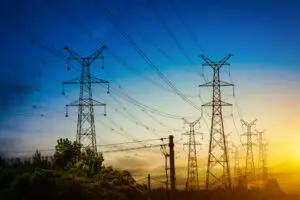
- Transmission: energy transport over long distances through lines operating at high voltage.
- Distribution: delivery of electricity at reduced voltage levels to homes, businesses, and small or large industries.
- Consumption: end point where energy is used by the devices and machines of users connected to the grid.
Safety and Regulation (NR-10 SEP)
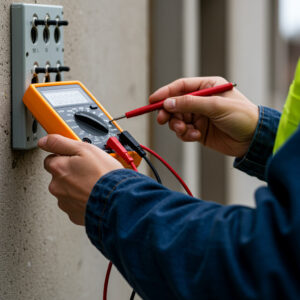
Operating and maintaining power systems requires more than technique; it demands a strict protection protocol, given the high risk involved in these activities. In Brazil, this safety is guided by specific standards that direct everything from electrician training to the selection of high-voltage equipment.
Complying with these laws is not just a bureaucratic obligation, but a guarantee that the operation preserves life and property. In this scenario, the NR-10 stands out as the fundamental pillar, establishing the minimum requirements for those interacting with the SEP.
In addition to physical safety, document management is essential. Companies seeking excellence must keep the Electrical Installations Dossier (PIE) rigorously updated. Think of the Dossier as the system’s “medical history”: it centralizes all reports, procedures, and inspection records. This control meets both occupational safety requirements and the continuity indices required by ANEEL, which oversees the quality of the sector.
Why the SEP is important for the industry and the country
Stable electricity supply is a fundamental pillar for economic growth and the productivity of all sectors.
The SEP allows for the transportation and distribution of energy to industries, companies, and essential services, keeping machines and processes running.
The reliability of the national system directly impacts the competitiveness of Brazilian companies in the global business scenario. Supply failures can cause financial losses, in addition to compromising safety in essential services such as hospitals and data centers.
In addition to meeting current demand, a reliable electrical system contributes to business expansion and attracts investments in new industrial projects.
Therefore, energy solutions help companies reduce the impacts of failures and interruptions in the public grid supply.
Challenges of the SEP in Brazil
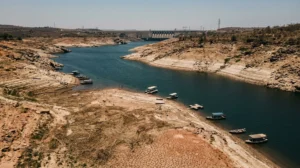
The Brazilian scenario of the Power Electric System is marked by a duality: while the grid expands, it faces geographical and climatic barriers that compromise its stability. Storms and demand peaks are common triggers for voltage drops or blackouts that affect large areas.
To address these vulnerabilities, the sector requires constant investments on two fronts:
- Modernization and Monitoring: essential for detecting failures in the national infrastructure before they cause systemic collapses.
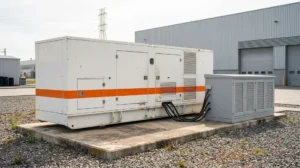
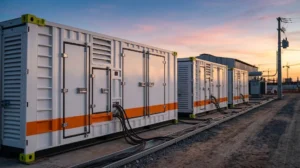
- Local Redundancy Systems: as the public grid is subject to external instabilities, companies rely on temporary generation strategies to maintain productivity.
Ultimately, in the face of a complex and not always predictable electrical grid, having an energy backup plan is no longer a differential but a basic necessity for operational safety.
How Tecnogera supports companies that rely on the SEP
Tecnogera, with over 20 years of market experience, operates where the SEP has limitations, turning network vulnerabilities into operational stability. Our approach goes beyond equipment rental; we deliver engineering solutions designed to complement the SEP in three critical areas:
- Ready Response Backup: automatic transfer systems that instantly take over the load in case of an external network failure, eliminating downtime.
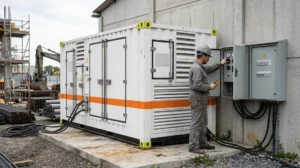
- Support and Scheduled Maintenance: during interventions in substations or SEP infrastructure, we provide temporary power so that the maintenance schedule can proceed without disrupting the plant.
- Custom Sizing: we analyze your industry’s load profile to implement high-efficiency generator sets, ensuring that redundancy is technically and economically viable.
With agile logistics and technical monitoring, we ensure that the transition between the network and local generation is seamless for your production flow.
Frequently asked questions about SEP
<H3> What is the SEP in electricity?
The SEP is the set of facilities that perform the generation, transmission, and distribution of electrical energy at high voltage levels.
<H3> What are the 4 stages of the SEP?
The stages of the SEP are:
- electricity generation
- long-distance transmission
- distribution to urban centers
- final consumption.
<H3> Who regulates the SEP in Brazil?
The National Electric Energy Agency (ANEEL) is the body responsible for regulating, supervising, and setting the standards for the national electrical system.
<H3> What to do when the SEP fails?
To avoid losses, electrical redundancy systems should be adopted, such as generator rental, ensuring the continuity of energy supply.