

The Infrastructure Behind Innovation: Why Energy Remains a Bottleneck in Many Projects
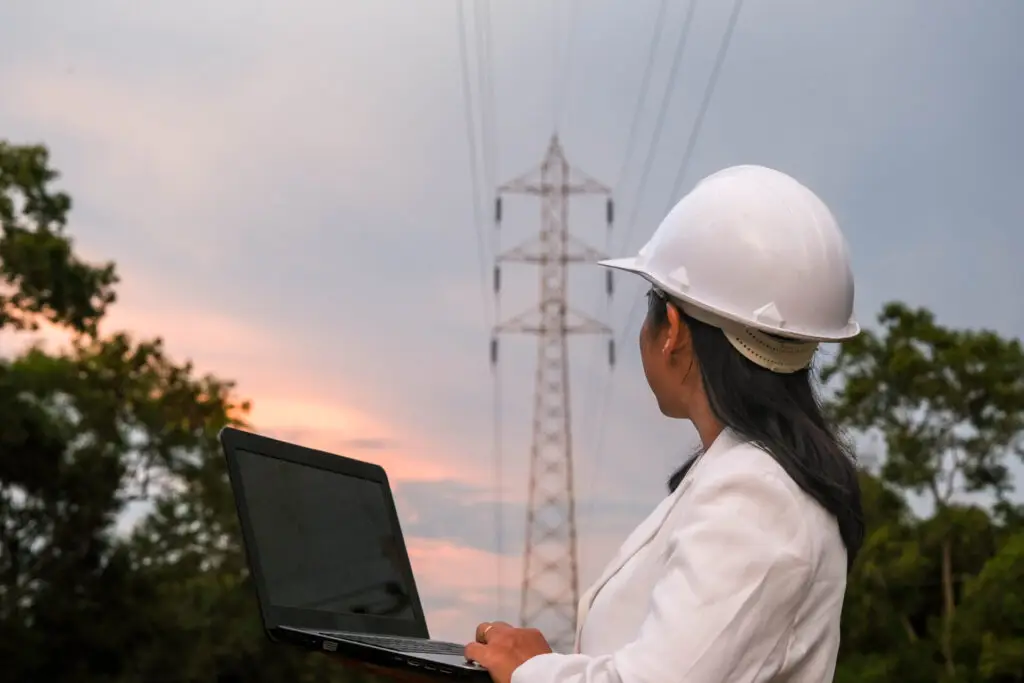
Energy is the engine of economic development. In an increasingly connected and technology-dependent world, energy infrastructure becomes a fundamental pillar for creating new businesses and expanding established companies. Lack of proper planning can turn a promising project into a nightmare, with delays, unexpected costs, and even total infeasibility. Many entrepreneurs, focused on aspects like marketing […]
Distributed Generation: What Is It and How Does It Work?
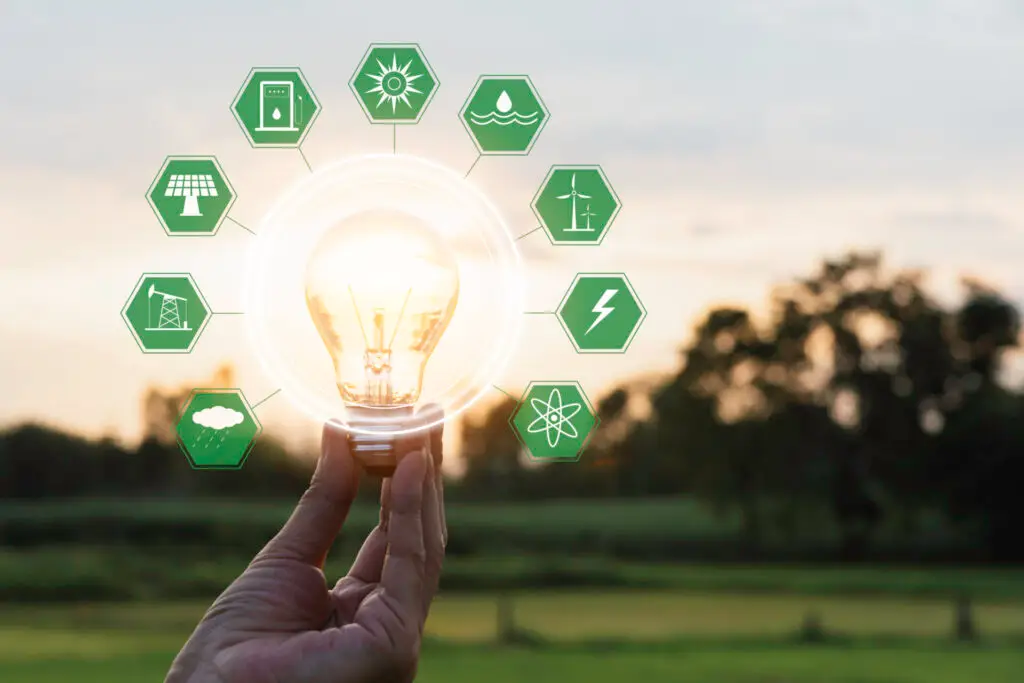
Distributed Generation (DG) involves producing energy close to the consumer, using renewable sources like solar and biogas. It cuts costs, boosts autonomy, and eases the burden on the power grid. In Brazil, DG is regulated by Law 14.300/2022, with key applications in rooftop solar energy and agribusiness. Tecnogera supports clients with backup solutions, consulting, and integration to ensure energy efficiency and security.
Energy Contingency Plan: How to Prepare for the Unexpected
An energy contingency plan is crucial to ensure operational continuity in the face of unforeseen events like power outages, technical failures, or weather events. It minimizes financial impacts, protects equipment and data, and ensures employee safety. The plan should include risk analysis, priority setting, clear procedures, simulations, and specialized partners. Tecnogera offers comprehensive solutions for emergency and strategic situations.
Tecnogera: more than just a generator rental company
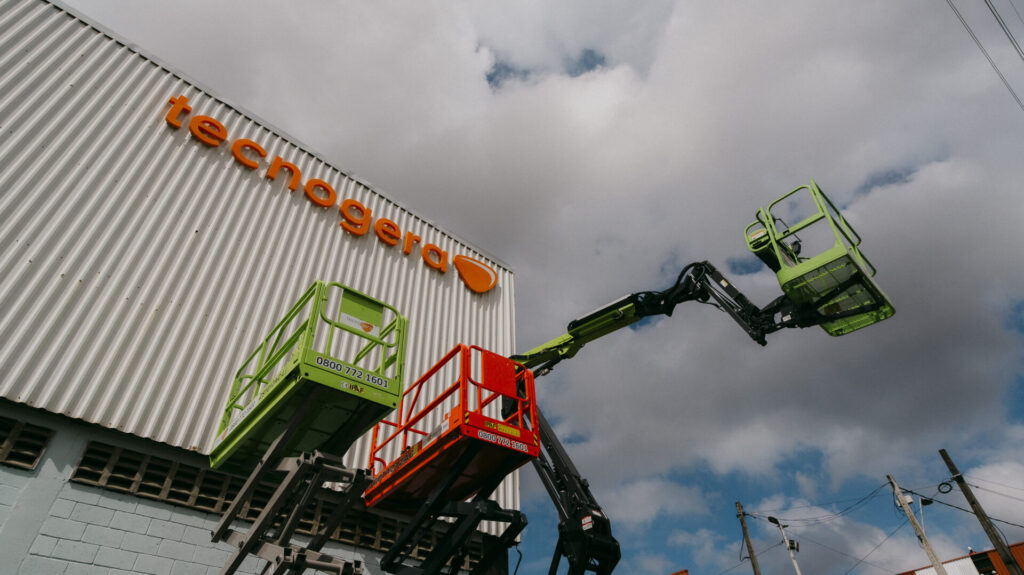
Tecnogera, a Brazilian company founded 19 years ago, is more than just a generator rental company. Specializing in temporary energy solutions, it offers a complete infrastructure including cables, maintenance, and continuous operation. With a 150% growth over the past two years, it operates in three main areas: generator rentals, aerial work platforms, and industrial temperature control. It has 20 strategically located branches, 24/7 customer service, and proven response capability, as demonstrated during the São Paulo blackout in 2024, handling over 2,000 requests in a single weekend. The company invests in sustainable technologies like hybrid systems and M-BESS, and maintains social programs. Tecnogera continues to grow, with a recent branch opening in Macaé (RJ) and a backlog exceeding R$ 200 million.
Event Planning Challenges: How to Ensure Infrastructure and Continuous Power Supply
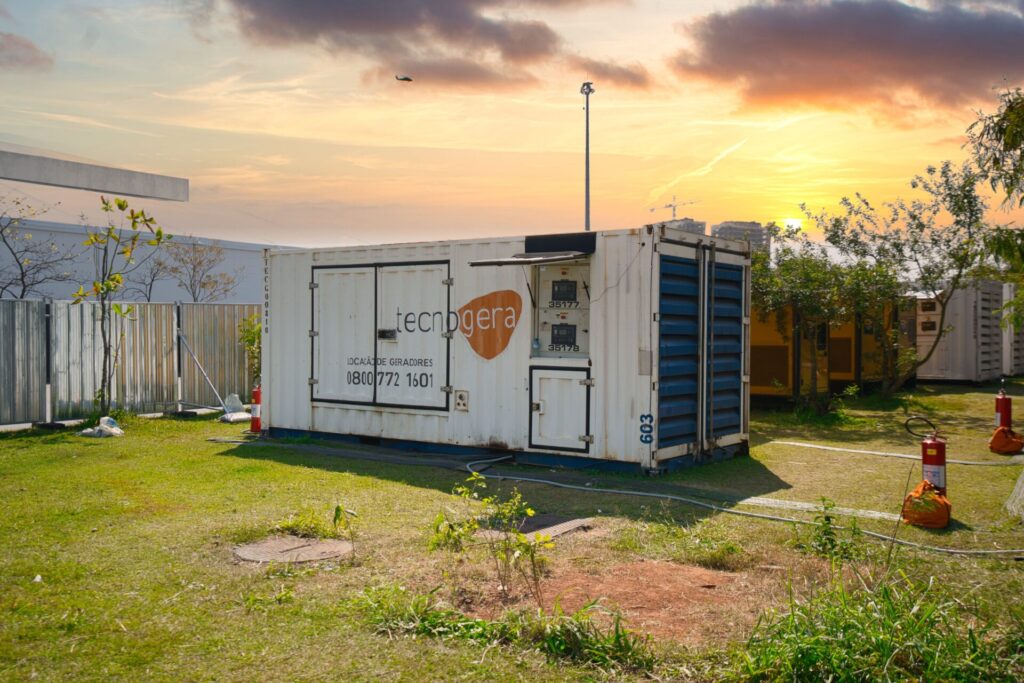
Event planning requires meticulous preparation to ensure continuous power supply and safety. It’s crucial to assess electrical demand, have backup generators, monitor real-time consumption, and employ specialized technical teams. Equipment like aerial platforms, lighting towers, and load banks are essential. Tecnogera offers comprehensive solutions, technical support, and expertise in major national events.
Equipment Rental: What to Consider When Choosing a Supplier?
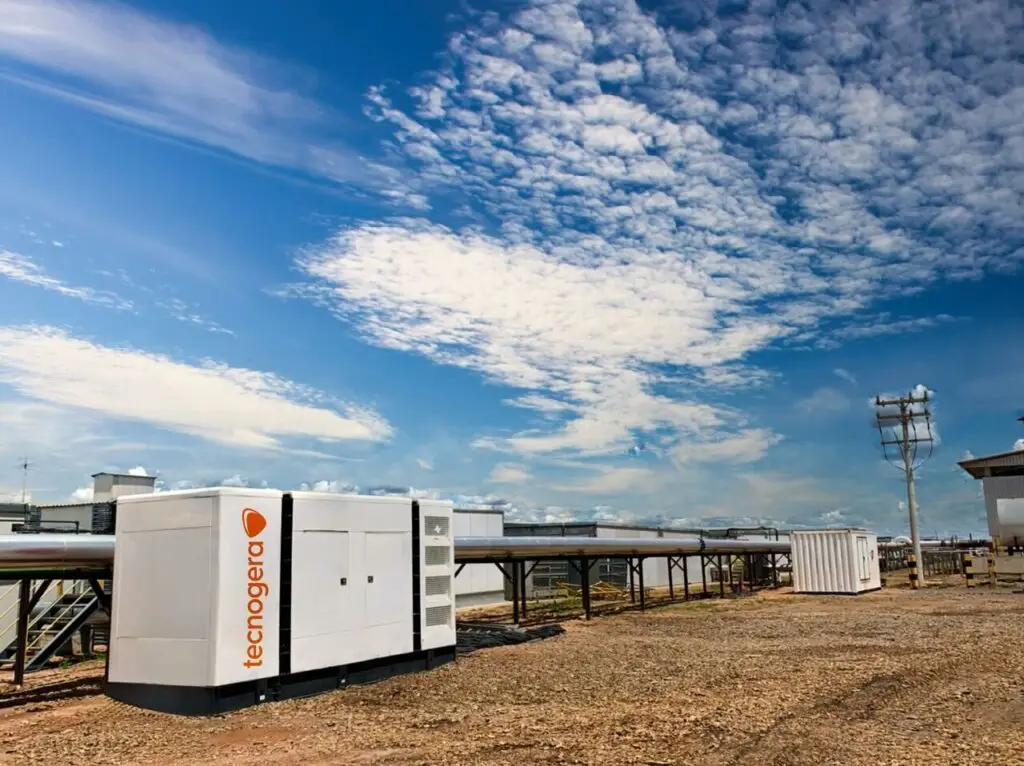
When selecting a supplier for energy equipment rental, assess the quality and origin of the equipment, 24/7 technical support, flexible contracts, and transparency in terms. A reliable partner offers preventive maintenance, quick service, and tailored solutions, ensuring efficiency, safety, and cost savings for your operation. Tecnogera stands out for its expertise, innovation, and specialized service throughout Brazil.
Power Supply in Crisis Scenarios: How to Prepare Your Business
In recent years, extreme weather events have become increasingly frequent and intense. Storms, heatwaves, floods, and blackouts have directly impacted power supply in Brazil, causing losses and halting operations. Companies in strategic sectors like mining, offshore, infrastructure, and industry rely on continuous power to maintain productivity and safety. In a climate instability scenario, ensuring power supply with sustainability in mind is a necessity—not an option. Current energy scenario: challenges and vulnerabilities The Brazilian electrical system, despite being robust, faces limitations when subjected to extreme conditions. The combination of aging infrastructure, growing demand, and climate change threatens the stability of power supply in various regions.
Power Substation: What It Is, How It Works, Types, and Importance
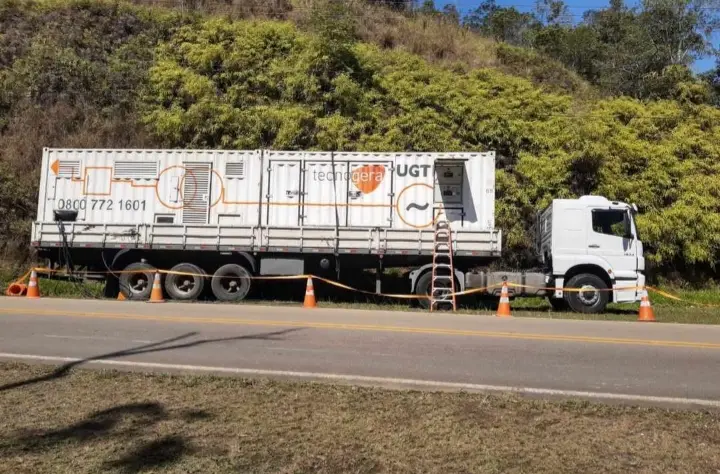
The mobile electrical power substation provides temporary solutions for emergency supply during scheduled maintenance, project energization, and seasonal load management. Key advantages include precise supply, reduced energy bills, and distribution autonomy. During maintenance, it replaces main stations while keeping DEC and FEC indicators within ANEEL limits through ramp transition, ensuring consumers don’t notice the change.
Future Outlook: Renewable Energy
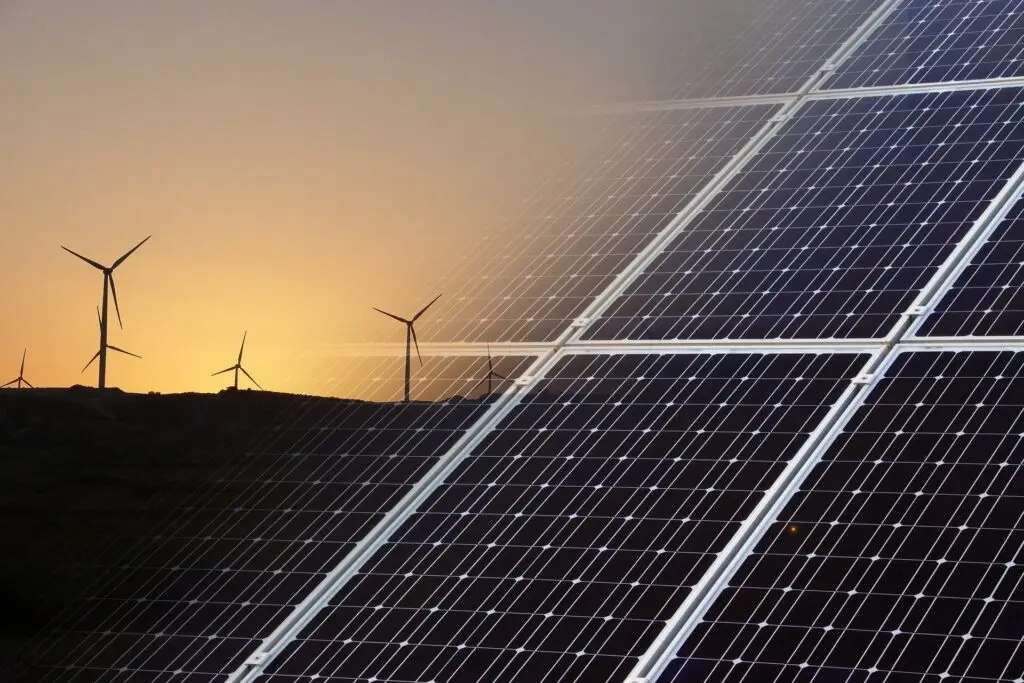
Renewable energy has positive growth prospects even during the pandemic. The sector does not impact the environment, reduces greenhouse gases, and protects communities. Distributed generation is a great investment following the regulation of the free market. The Federal Government prioritizes electricity and sanitation with BNDES offering low-interest financing. Starting in 2023, consumers with demand exceeding 500kW can choose suppliers. The R$ 134 billion volume (2019) could triple in a decade. Brazil will focus on wind and solar energy with technological advancements.
Types of power generators: Models for different scenarios and needs
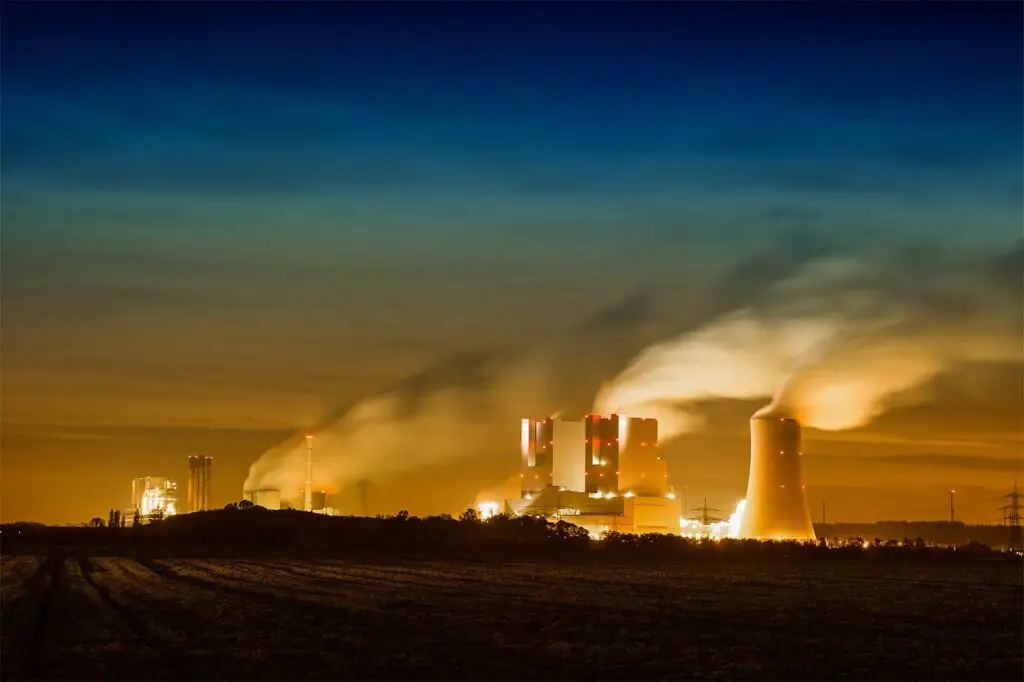
There are different types of generators for various needs: solar (solar panels, 5-7 year financing, 30-year lifespan), wind (sustainable, uses wind movement), chemical (batteries for portable devices), mechanical (hydroelectric plants with turbines), and fossil fuel (most common). Fuel generators vary: gasoline (portable, higher consumption), diesel (cost-effective, durable, lower consumption), and gas (sustainable, high efficiency). Generators 1000-1500 Ideal KVA for large establishments.