

March started with a yellow tariff flag
Due to low reservoir levels, ANEEL set the yellow tariff flag for March, with an extra charge of R$ 2.00 for every 100kWh consumed. Despite heavy rains at the beginning of the year, it was necessary to activate thermal power plants, which have higher operational costs. Since February, the yellow flag rate is R$ 2.00/100kWh, while the red flag level 1 costs R$ 3.00/100kWh and level 2, R$ 3.50/100kWh.
Technological Advances and Temporary Power
The supply of power through diesel generators began to strengthen in the 1970s, bolstered by the country’s infrastructure investments at the time. Since then, generators have been key allies in providing power, especially in regions not connected to the National Interconnected System (SIN).
What is facility commissioning?
More and more, various sectors of society are discussing the impacts of energy consumption around the world. In this context, it is essential for energy-related companies to work with sustainable strategies to preserve nature and the quality of life for humanity.
Technology for more efficient power generators
The use of temporary power through generators began to increase in the 1970s, a time when Brazil heavily invested in infrastructure. Diesel-powered, these engines were noted for their robustness, but at the cost of high fuel consumption and pollutant emissions. With technological advancements, modern generators have become more efficient, economical, and sustainable, meeting current demands for energy efficiency and reduced environmental impact.
Power Outages in Adverse Situations: How to Manage
After a year marked by a water crisis, 2016 began with heavy rains, raising reservoir levels, especially in the South and Southeast regions of the country. The rains improved power generation conditions, minimizing the risks of an energy crisis, but they do not eliminate the risks of isolated outages. Keeping a power generator on standby and creating an emergency plan are essential measures for businesses, hospitals, and other establishments that cannot afford interruptions in power supply.
The Importance of Backup Power Generation for Your Business
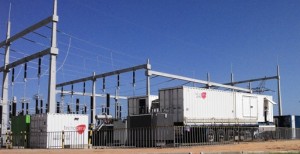
A backup generator is crucial for companies to maintain operations during power outages, preventing production losses and raw material waste. Proper investment requires adequate planning, installation, and maintenance. It’s essential to choose a credible supplier, calculate the necessary load, determine the location, and obtain licenses (Fire Department, environmental, utility company, ART). Monitoring and preventive maintenance ensure operation when…
What do you need to know about tariff flags?
In June 2015, Aneel implemented the tariff flag system with colors indicating power generation conditions. Green means favorable conditions with no extra charge, yellow adds R$ 0.015 per kWh, red level 1 charges R$ 0.030, and level 2 adds R$ 0.045. The system aims to pass on production costs based on reservoir levels and the use of thermal power plants. During 2015, the red flag predominated due to the water crisis, but in 2016, there was variation among the colors depending on rainfall and power generation conditions.
After the rainy season, reservoir levels remain a concern
Following the wet season (January-March), hydroelectric reservoirs are still at low levels according to ONS. The Southeast/Central-West reached 50%, the South exceeded 90%, and the Northeast is at only 30%. ANEEL has changed the tariff flag to green due to the rains. Despite the 12.8 GW surplus reducing the risk of blackouts, companies are seeking power generators to cut peak-hour costs (5 PM-10 PM) by up to 30%.
Brazil still needs thermal energy
Brazil relies on 75% hydroelectric, 10% thermal, and 3% wind energy. Despite the environmental drawbacks of thermal power, it remains crucial for the country due to its ease of construction and proximity to consumption centers. It’s vital for isolated projects in remote areas without transmission networks. The solution to environmental impacts is to invest in more efficient technologies that generate more energy with less fuel.
Independent Power Producer: ANEEL’s Alternative to Improve the Electric Sector
The Independent Power Producer (IPP) aims to enhance efficiency in supply for isolated regions at lower costs. Created by Law 9.074/1995, which unbundled the Brazilian electric sector and led to the formation of ANEEL, ONS, and MAE. IPPs are private companies that generate power independently, striving for maximum efficiency. Modern equipment can reduce fuel consumption by up to 20%, resulting in savings for public funds and greater operational efficiency.