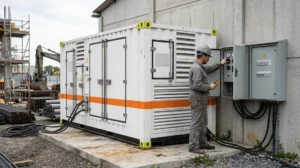
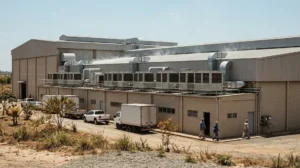
The supply of energy through diesel generators began to strengthen in the 1970s and was favored by the investments the country was making at the time in infrastructure.
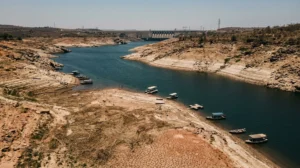
Since then, generators have been great allies in providing energy, especially in regions not connected to the National Interconnected System (SIN), that is, where transmission lines have not yet reached.
As they were conceived at a time when environmental concerns and sustainability pillars were not on the agenda, these generators are originally robust equipment and draw attention for their high fuel consumption and pollutant emissions.
However, over time, the temporary power generation industry began to develop equipment more in tune with the new market demands. Currently, what we see are generators with lower energy consumption and, consequently, that emit fewer pollutants.
In parallel, and also as a result of efforts by national industry developers, generators are also becoming lighter and more compact, which favors their use in reduced spaces, such as on oil platforms.
Another important advancement in the sector is the development of equipment that replaces diesel with fuels that have a lower environmental impact.
With all these implementations, the trend is for the temporary energy industry to provide more efficient, functional generators in harmony with environmental preservation.