Aneel Tariff Flag System
In June 2015, Aneel, the National Electric Energy Agency, implemented the tariff flag system. Differentiated by the colors red, yellow, and green, the signaling began to appear on the consumer’s bill. But do you know what they mean?
Meaning of the Colors
Each of the colors indicates the conditions of energy generation in the country. The less favorable the scenario, the higher the cost of energy passed on to the consumer. According to Aneel, the flag colors mean:
Green
Favorable energy generation conditions. The tariff does not incur any additional charge.
Yellow
Less favorable generation conditions. The tariff incurs an additional charge of R$ 0.015 for each kilowatt-hour (kWh) consumed.
Red – Level 1
More costly generation conditions. The tariff incurs an additional charge of R$ 0.030 for each kilowatt-hour kWh consumed.
Red – Level 2
Even more costly generation conditions. The tariff incurs an additional charge of R$ 0.045 for each kilowatt-hour kWh consumed.
System Coverage
The system was adopted in almost all Brazilian states. Only Amapá and Roraima did not adopt the mechanism because they are not yet connected to the National Electric Energy System – SIN.
Objective and History
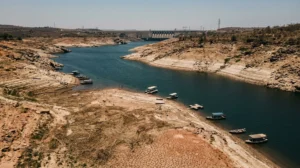
With the severe water crisis experienced by the country last year, the objective of adopting the tariff flags was to pass on the costs of energy production to the final consumer. Thus, month by month, Aneel announced the color of the flag that would be adopted, always depending on the conditions of the reservoirs, the percentage of use of thermoelectric plants, and the higher or lower cost of energy production.
Evolution of the Flags
With the lack of rain, throughout the 12 months of 2015, the tariff flag remained red. This year, the highest flag also prevailed in January and February. With the increase in rainfall, however, it turned yellow in March. In April, fortunately, it turned green again, eliminating additional costs for the consumer. Although it has already normalized, stay alert! Red flag means a more expensive bill.