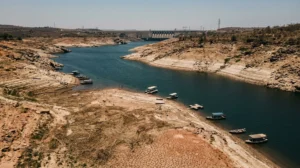
With the end of the wet season, which occurs between January and March, when the incidence of rain is higher throughout the country, reservoir levels are still below the desired level. According to data released by the National Electric System Operator – ONS, even with the highest volume of rainfall recorded at the beginning of this year, the reservoirs of hydroelectric plants still show low water storage levels.
Situation by Region
In the Southeast/Central-West subsystem, the level exceeded the 50% mark. The percentage is the highest in the last three years for the month of February, yet it is still far from reaching maximum capacity. In the South region, the situation is better. The stored volume exceeded the 90% mark. Meanwhile, the Northeast region presents the most concerning situation, with reservoirs holding just over 30% of stored water.
Tariff Changes and Outlook
Even with a scenario far from being the most favorable, the higher volume of rain allowed the National Electric Energy Agency (Aneel) to change the tariff flag color from yellow to green, ending the extra charge on the consumer’s bill.
The Ministry of Mines and Energy has also announced that the improvement in rainfall volume and the surplus of about 12.8 GW will be sufficient to meet the energy load forecast for the year 2016. Thus, the risk of shortages or blackouts is averted.
Energy Alternatives
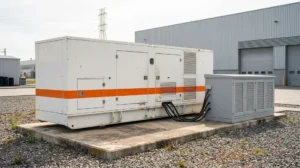
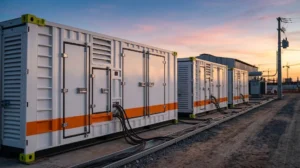
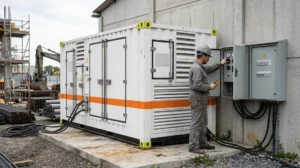
Nevertheless, the search for alternative energy sources remains a priority for companies of various sizes and segments. With energy costs up to eight times higher during peak hours – from 5 PM to 10 PM, the use of generators is becoming a path to cost reduction. Using generators during this interval can reduce the bill by up to 30%.
Another advantage is the security of having standby equipment that immediately activates in the event of an interruption in the energy supplied by the distributor.