

What are the differences between electric motors and generators?
Electric motors and generators operate similarly through electromagnetic induction, but they serve opposite functions. The generator converts mechanical energy into electricity by applying force to spin the rotor and create a magnetic field. The electric motor does the reverse process, transforming electrical energy into mechanical energy through fields…
How does energy exchange work?

Energy exchange enables the transfer of electricity between countries or regions in cases of supply shortage or surplus. In Brazil, the National Interconnected System (SIN) facilitates these exchanges through four regional submarkets. The country primarily engages in exchanges with Argentina, Uruguay, Paraguay, and Chile, enhancing the utilization of energy matrices and reducing costs.
How the Electric Energy Tariff Flags Work
The tariff flag system created in 2015 by ANEEL signals to consumers the cost of power generation through three colors. Green: no additional charge, favorable conditions for hydroelectric plants. Yellow: R$ 1.50/100kWh, limited use of thermoelectric plants. Red 1 (pink): R$ 4/100kWh and Red 2: R$ 6/100kWh, higher reliance on expensive thermoelectric plants. Generators can assist companies during peak hours to reduce costs during unfavorable flags, with monthly planning based on ANEEL’s information.
Why are electricity bills rising so much in 2015?
The projected 51.7% increase in 2015 is due to multiple factors: a consumption boost in 2013 (law 12.783 reduced bills by 20%), droughts forcing the use of more expensive thermoelectric plants, billion-dollar loans to distributors, the end of the R$ 9 billion transfer to CDE (shifting costs to consumers), extraordinary tariff reviews, implementation of tariff flags, and delays in projects like Belo Monte. For large consumers with time-of-use tariffs, self-generation with diesel has become attractive during peak hours.
What is distributed generation?
Distributed Generation is power generation located near or at the consumer’s site, eliminating the need for long transmission lines and reducing costs and environmental impacts. It includes cogeneration, emergency generators, photovoltaic panels, and small hydroelectric plants. Benefits include postponing network investments, low environmental impact, loss reduction, and energy matrix diversification. It can serve as a primary source or decentralized backup. Ideal for peak hours…
Electric shock: know what it is, causes, and how to avoid it
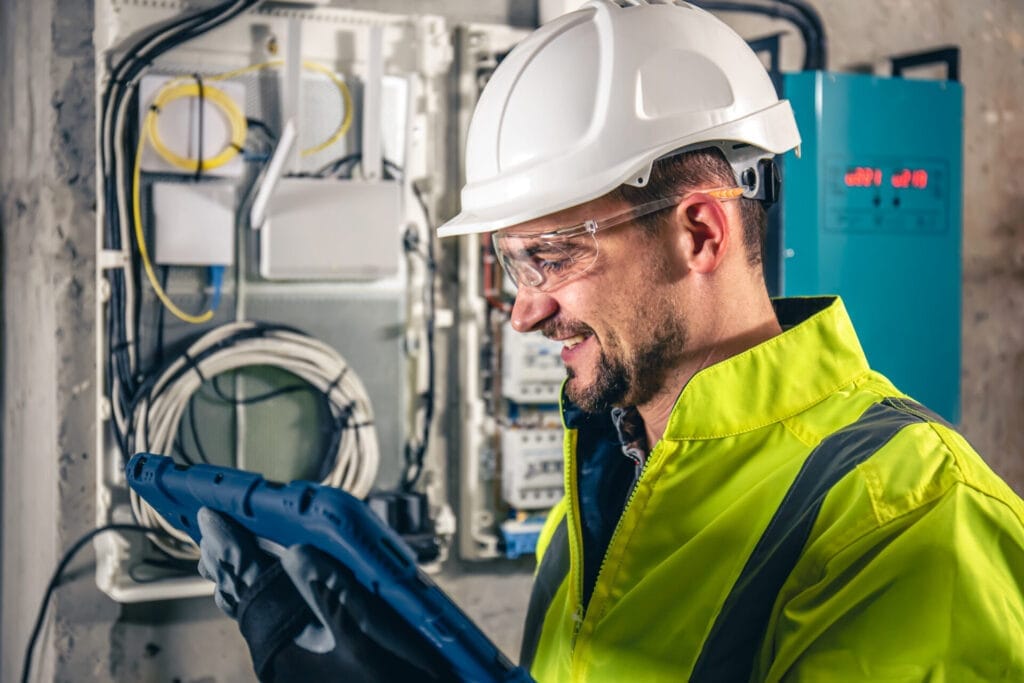
Electrical safety guide reveals that 86% of people have experienced shock, mainly from appliances and showers. Main precautions: do not overload outlets with adapters, install child protectors, check appliance voltage (110v/220v), avoid use in damp environments, keep wiring in good condition, do not use “gatos” (illegal connections), change bulbs with the circuit breaker off. In case of shock: provide medical assistance, do not touch the victim, turn off power or use dry insulating material to move them.
What is a manual power generator?
The manual power generator is operated by a crank instead of automatic start, converting mechanical energy into electrical energy through internal engines. Ideal for hospitals, schools, and supermarkets that rely entirely on electrical power. Key advantages include mobility (small size, some with…
How does a power generator work?
A power generator is an essential piece of equipment that meets energy needs during power grid failures, serving as a primary or backup source. It offers advantages in security (ensuring operational continuity and alarm systems), agility (quick automatic response), and versatility (applicable in hospitals, industries, airports, events). To choose the right one, consider emergency or continuous use, available physical space, access to the power grid, and fuel type (diesel or gasoline). Tecnogera offers customized TurnKey solutions.
What is hydrological monitoring?
Hydrological monitoring collects, processes, and manages atmospheric data on rainfall and river flow through rain gauges, stream gauges, and weather stations. It’s essential for urban water resource management, disaster prevention, and forecasting water volume for hydroelectric plants. The plant…
How does a magnetic circuit breaker work?

The magnetic circuit breaker is the electromechanical device responsible for monitoring the electrical current and immediately interrupting the flow in cases of short circuit, protecting equipment and people. In operations that rely on temporary power generation, correctly sizing electrical protection is an essential part of the project, not a detail.