

Do you know what power generators are?
An electric generator converts mechanical, chemical, solar, or other forms of energy into electrical energy. Composed of two poles (positive and negative), it maintains a potential difference, supplying energy to electrical loads. The simplest type is the dynamo, which converts mechanical energy using a magnet on a rotating shaft to create a magnetic field that generates electric current. Power generator sets, on the other hand, are large-scale equipment consisting of an engine, generator, and fuel tank, recommended for places that cannot afford power outages like hospitals, laboratories, and supermarkets.
What are the differences between an ideal and a real power generator?
A power generator doesn’t create energy but converts other forms (mechanical or chemical) into electrical energy, increasing the potential energy of the loads in the circuit. An ideal generator would have 100% energy efficiency, but in practice, due to electrical resistance, there are always losses. In an ideal generator, the voltage remains constant, while in a real one, it varies with the electrical current.
What is natural inflow energy?
Natural Inflow Energy (ENA) is generated when the natural flow of tributaries is harnessed by downstream hydroelectric plants. During the water crisis since 2014 in southeastern Brazil, the utilization of this energy significantly declined, capturing only 68% of the previous year’s amount. This decrease is directly related to the lack of rainfall and requires constant adjustments in values according to natural flows and hydroelectric configurations.
What are the energy regulatory agencies in Brazil?
ANEEL is the main regulatory agency overseeing power generation, transmission, distribution, and commercialization of electricity in Brazil since 1996. Linked to the Ministry of Mines and Energy, it mediates conflicts between agents and consumers. To decentralize activities, it has established agreements with 21 state agencies: ADASA, AGEAC, ARSAM, ARCON-PA, ARSAP, ARSEMA, AGRESPI, ARCE, ARSEP, ARPB, ARPE, ARSAL, AGER/MT, ATR, AGERBA, AGR, AGEPAN, ARSESP, ASPE, AGENERSA, AGESC, and AGERGS. These agencies primarily focus on oversight and support of local electrical services regulation.
What is SIN (National Interconnected System)?
The National Interconnected System coordinates and controls the production and transmission of electricity across Brazil’s five regions. Only 1.7% of the capacity is outside the SIN, represented by isolated Amazon systems. It is overseen by ANEEL and ONS, and has a main grid with over 100,000…
Largest hydroelectric plant in the world: find out which one it is
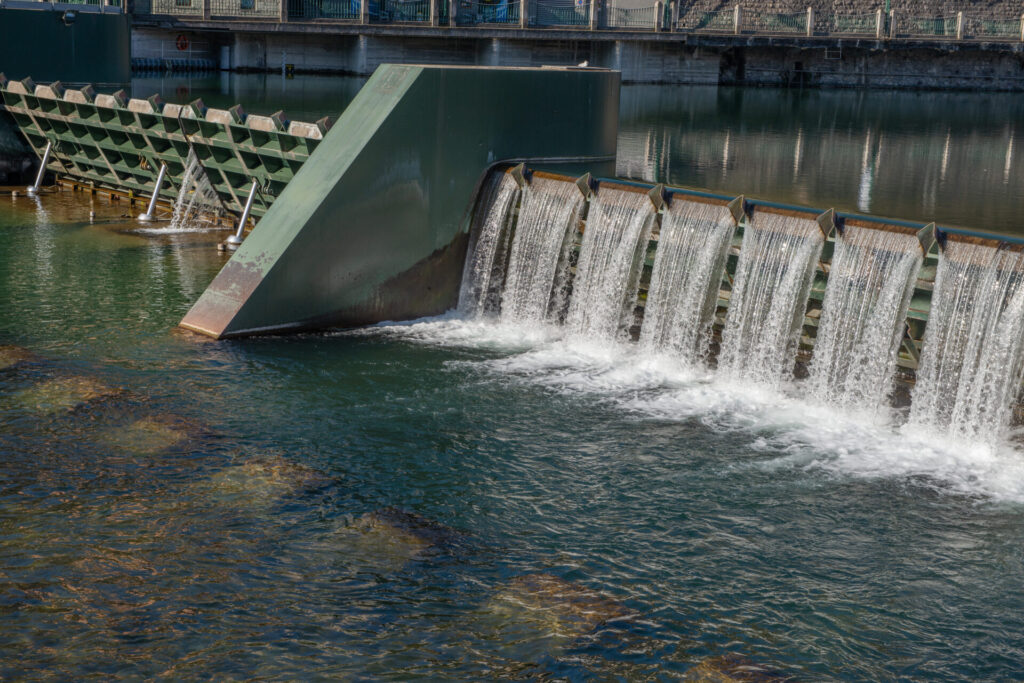
The ranking of the 10 largest Brazilian hydroelectric plants is led by Itaipu/PR (14,000 MW, provides 8.7% of national energy), followed by Belo Monte/PA (11,233 MW), São Luíz do Tapajós/PA (8,381 MW), Tucuruí/TO (8,370 MW) and Santo Antônio/RO (3,300 MW). The Top 5 represents 70% of the energy consumed in the country. Completing the list: Ilha Solteira/SP (3,444 MW), Jirau/RO (3,300 MW), Xingó/AL-SE (3,162 MW), Paulo Afonso IV/BA (2,462 MW) and Jatobá/PA (2,338 MW). Brazil also has thermoelectric and nuclear plants, but hydroelectric plants are the main generators with less environmental impact.
What is photovoltaic energy?
Photovoltaic energy is a sustainable alternative source that converts sunlight into electricity using panels made of gallium arsenide and crystalline silicon. It is completely renewable and applicable in commercial, residential, and industrial settings, offering a clean option with no waste emissions and costs limited to the installation of solar panels.
How does a thermomagnetic circuit breaker work?
The thermomagnetic circuit breaker monitors and controls electrical current, interrupting the flow when it detects spikes above the appropriate level. It protects installations from short circuits and overloads. When multiple devices are turned on simultaneously, the current intensity increases, potentially causing damage. The circuit breaker cuts off the supply upon detecting an overload, preventing further damage. It replaced the old fuses, offering greater safety and convenience.
How much fuel does a diesel generator consume?

Diesel generators are widely used in industries, businesses, hospitals, and schools. Consumption varies with power: GMG 25 kVA consumes 4 liters/hour, GMG 100 kVA consumes 15 liters/hour, GMG 180 kVA consumes 27 liters/hour, and GMG 1500 kVA consumes 223 liters/hour. Operation converts diesel combustion into mechanical movement, which is then transformed into electrical energy. Proper maintenance and fuel quality directly impact efficiency and consumption.
Generator 450 – discover where it can be used
The 450 KVA power generator is a large model recommended for the industrial sector, especially the food and beverage industry. It is also used in large events and shows that require equipment like high-definition screens, powerful sound systems, and climate control. It offers immediate response and total security, keeping the location always illuminated regardless of fluctuations in the power grid.