

See how power generator sizing is done
Proper generator sizing is crucial to ensure adequate operation during electrical system failures. The process considers electrical load, installation environment, temperature, pollution, and altitude. The power factor is calculated by considering the difference between apparent power (Volt-Ampere) and active power (Watt), as well as alternator efficiency losses and the engine’s mechanical power. The sizing must adhere to an 8-hour operation and 4-hour rest regime.
How the Electric Energy Tariff Flags Work
The tariff flag system created in 2015 by ANEEL signals to consumers the cost of power generation through three colors. Green: no additional charge, favorable conditions for hydroelectric plants. Yellow: R$ 1.50/100kWh, limited use of thermoelectric plants. Red 1 (pink): R$ 4/100kWh and Red 2: R$ 6/100kWh, higher reliance on expensive thermoelectric plants. Generators can assist companies during peak hours to reduce costs during unfavorable flags, with monthly planning based on ANEEL’s information.
What is distributed generation?
Distributed Generation is power generation located near or at the consumer’s site, eliminating the need for long transmission lines and reducing costs and environmental impacts. It includes cogeneration, emergency generators, photovoltaic panels, and small hydroelectric plants. Benefits include postponing network investments, low environmental impact, loss reduction, and energy matrix diversification. It can serve as a primary source or decentralized backup. Ideal for peak hours…
Discover if it’s possible to generate power from natural gas
Natural gas is a fossil fuel formed by the millennia-long decomposition of organic materials, composed of light hydrocarbons (methane, ethane, propane, butane). Found underground and offshore near oil fields, its primary application is clean power generation for industries, homes, and vehicles (CNG). Considered a cheaper and less polluting alternative to gasoline and alcohol, offering environmental benefits and reduced maintenance costs.
What is photovoltaic energy?
Photovoltaic energy is a sustainable alternative source that converts sunlight into electricity using panels made of gallium arsenide and crystalline silicon. It is completely renewable and applicable in commercial, residential, and industrial settings, offering a clean option with no waste emissions and costs limited to the installation of solar panels.
How much fuel does a diesel generator consume?

Diesel generators are widely used in industries, businesses, hospitals, and schools. Consumption varies with power: GMG 25 kVA consumes 4 liters/hour, GMG 100 kVA consumes 15 liters/hour, GMG 180 kVA consumes 27 liters/hour, and GMG 1500 kVA consumes 223 liters/hour. Operation converts diesel combustion into mechanical movement, which is then transformed into electrical energy. Proper maintenance and fuel quality directly impact efficiency and consumption.
What is the ANEEL (National Electric Energy Agency) auction?
ANEEL auctions are mechanisms through which distribution concessionaires, permit holders, and authorized entities ensure market supply. In the Regulated Contracting Environment, selling agents and distributors establish contracts through bidding processes. These are bidding processes to contract the energy needed to meet future demand, setting prices and energy sources that directly impact consumer tariffs, and are essential for the balance of the electric sector and the prevention of rationing.
What are the advantages and disadvantages of energy rationing?
Energy rationing linked to the water crisis is a concern for Brazilians. Most of the energy is produced by hydroelectric plants that rely on water flow, so a lack of water leads to energy shortages. Disadvantages include blackouts affecting the productivity of industries, businesses, and homes. Advantages involve raising awareness about sustainable consumption and conserving natural resources, benefiting the environment.
Power technology working for the environment
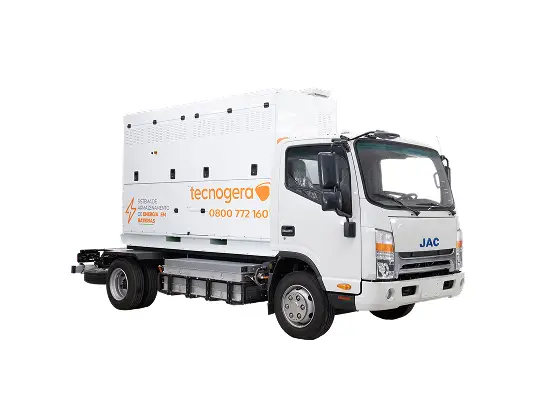
Essential to our lives and daily routines, power generation impacts nature. Each process has its pros and cons, not only regarding the environment but also in terms of feasibility and costs. Learn more about how technology can be used to reduce environmental damage and discover the most sustainable forms of electricity production. Hydroelectric power is the most common in Brazil: about 80% of Brazilian energy is produced this way.
Wind Turbine: what it is, how it works, and its advantages
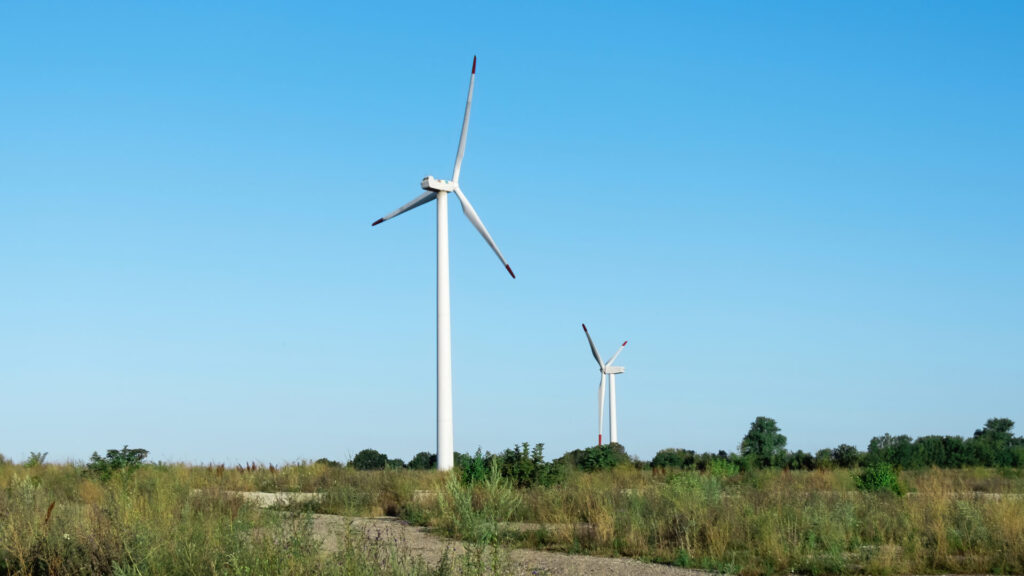
The wind turbine transforms wind energy into electricity, being a sustainable energy generation solution. They are large blades driven by the wind, found in groups to ensure better capture. It works with a rotor, bearings, measurement system, and rotating blades generating mechanical force transmitted to the gearbox that increases shaft speed. Brazil has vertical and horizontal axis models, with horizontal being more developed and suitable for large-scale production. Advantages include less…