January 2017 has just entered the statistics as the rainiest month of the last five years.
According to an article published on G1, the news portal of TV Globo, in the first 20 days of the month, more than 340 mm of rain fell.
The data is from the National Institute of Meteorology (Inmet).
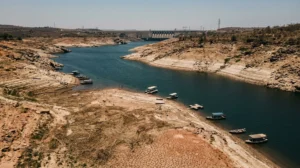
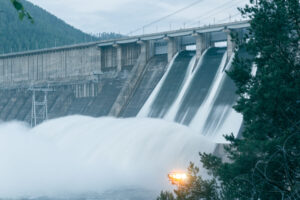
While on one hand, a higher volume of rain helps to increase reservoir levels and improves energy generation conditions, on the other hand, it increases interruptions in energy supply.
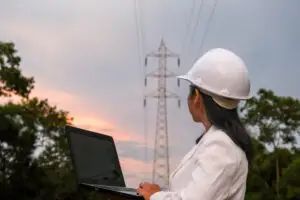
With summer rains, usually accompanied by strong winds, supply failures are common, which affects companies in various sectors, service providers, and the end consumer.
To give an idea, at the beginning of 2016, a single storm left more than 320,000 customers of the State Electric Energy Company (CEEE) in the city of Porto Alegre without power.
To avoid the risk of losses, having alternative energy sources becomes a competitive advantage.
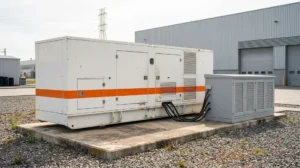
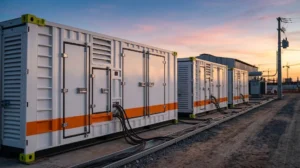
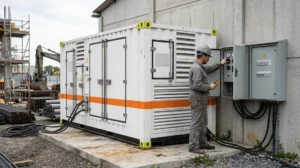
In this regard, the use of power generators is essential to keep production lines running, thus avoiding the dismissal of employees, as well as the unplanned stoppage of machinery and losses in storage and logistics processes.
When operating on standby, generators start working immediately after a power supply failure, maintaining operation and avoiding losses.