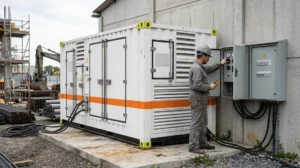
Concept of Dielectric Strength
Dielectric strength refers to the maximum voltage that a given insulating material can withstand before it begins to fail. Identifying this characteristic in insulating elements is a fundamental step in any test that verifies the integrity and safety of the electrical installation.
Testing Methodology
To measure the dielectric strength of an insulating material, it is exposed to high short-duration voltages until a breakdown point is identified. In general, these dielectric strength tests use voltages ranging from 5,000 to 400,000 volts (5-400 kV).
Tests on Insulating Oils
Oils applied as insulators in electrical transformers and other types of devices must also be tested. Testing insulating oil is especially important since the dielectric strength of this type of product depends on many environmental variables — such as humidity or carbon contamination.
Importance of Dielectric Strength of Materials
The concept of dielectric strength of materials is essential to ensure the manufacture of quality insulating materials that are truly capable of providing safety and preventing electrical failures and accidents.
Prevention of Losses
It is, therefore, a characteristic that prevents large-scale financial losses as well as serious physical damage. In the case of insulating oils, a minimal amount of moisture in a transformer is enough to cause an electrical failure with severe consequences.
Need for Regular Testing
Therefore, regular tests should be conducted to verify the dielectric resistance of the structures and the oil used in the transformer.