

Overloaded outlets: how to prevent short circuits?
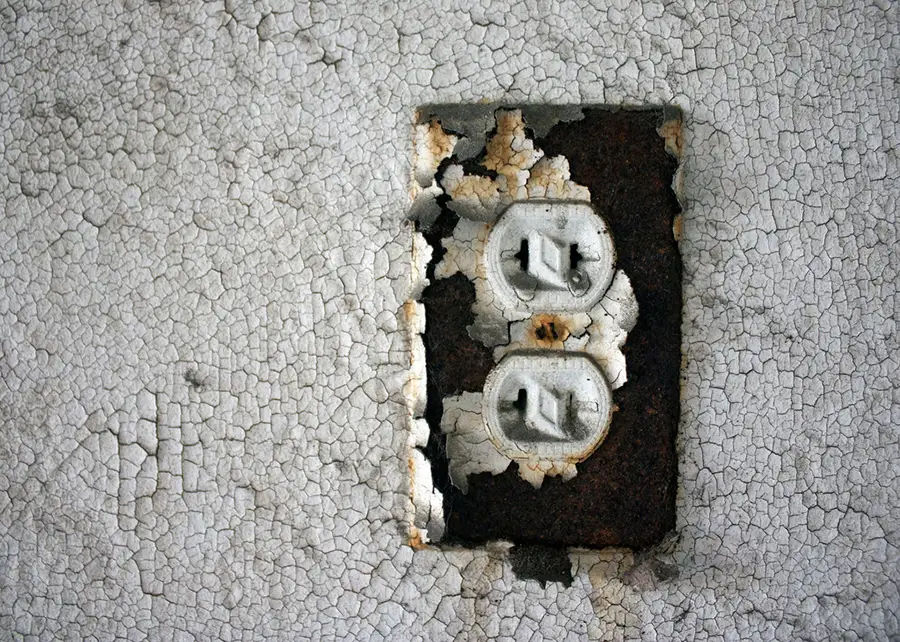
Power strips can cause overloads when current exceeds outlet capacity (10-20 amperes). Signs of trouble include heating, discoloration of outlets, and circuit breaker trips. The solution is to distribute devices across different outlets or install new ones. Power strips should only be used for low-power equipment like lamps and TVs, never for refrigerators, microwaves, or air conditioners. The best prevention is an electrical design…
Climate control system: how it works, types, and rental
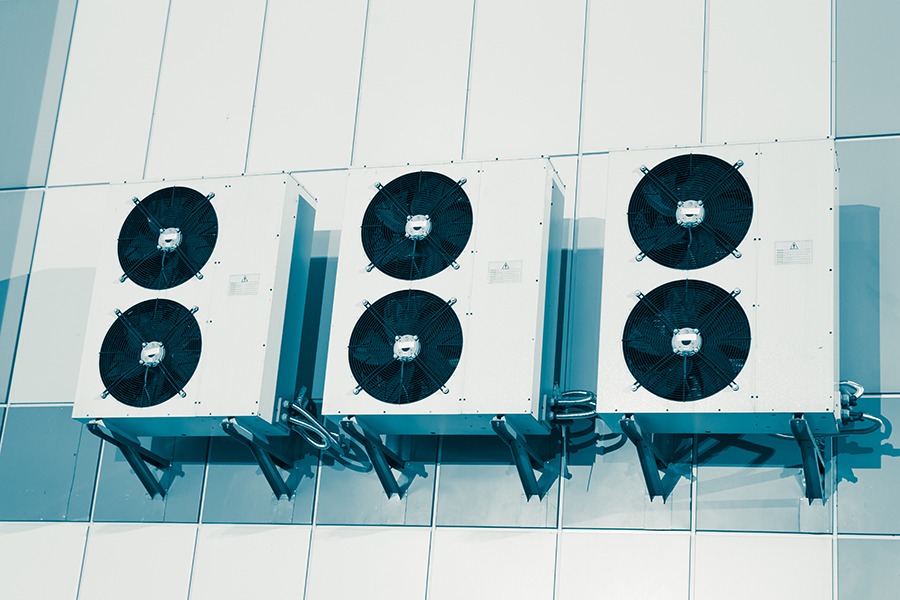
The refrigeration and climate control system manages temperature, humidity, diffusion, and air renewal, ensuring thermal comfort and air health. Climate control maintains a comfortable environment by providing humidity and oxygenation. In hospitals, it reduces the risk of disease transmission by following specific standards. In wine cellars, it prevents temperature variation for wine preservation. According to ABRAVA, we breathe 10,000 liters of air daily, spending 85% of our time indoors. Considered factors include solar orientation, number of people, type of use, lighting, and ventilation.
Electrical Short Circuit

An electrical short circuit occurs when an excessive current flows through a circuit not designed to handle such a load. It’s a leading cause of fires in poorly constructed or maintained installations. Main causes: improper sizing and exposed wires. Prevention: install fuses and circuit breakers that detect faults and act as automatic switches. Avoid overloading outlets and perform regular maintenance. Warning signs: burning smell, outlets with black marks, exposed wires, frequently burning out bulbs, sudden power interruptions. Specialized technicians identify overloaded points and provide appropriate solutions.
What is the technical standard for low voltage electrical installations?
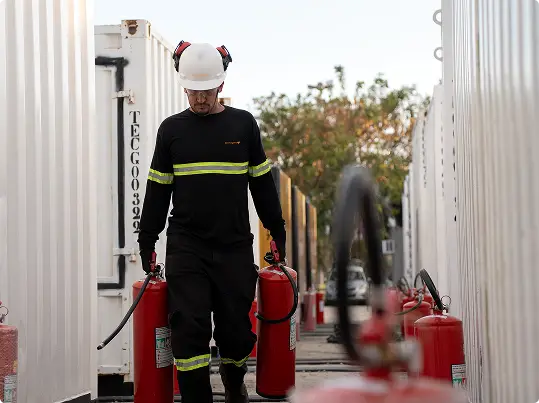
NBR 5410 on Low Voltage Electrical Installations sets rules for selecting wires and cables. The neutral conductor must always be light blue, and the protective conductor (ground) green or green-yellow. Other colors can be used freely as long as they are not used…
Preventive Generator Maintenance Plan: What It Is and Why It Matters
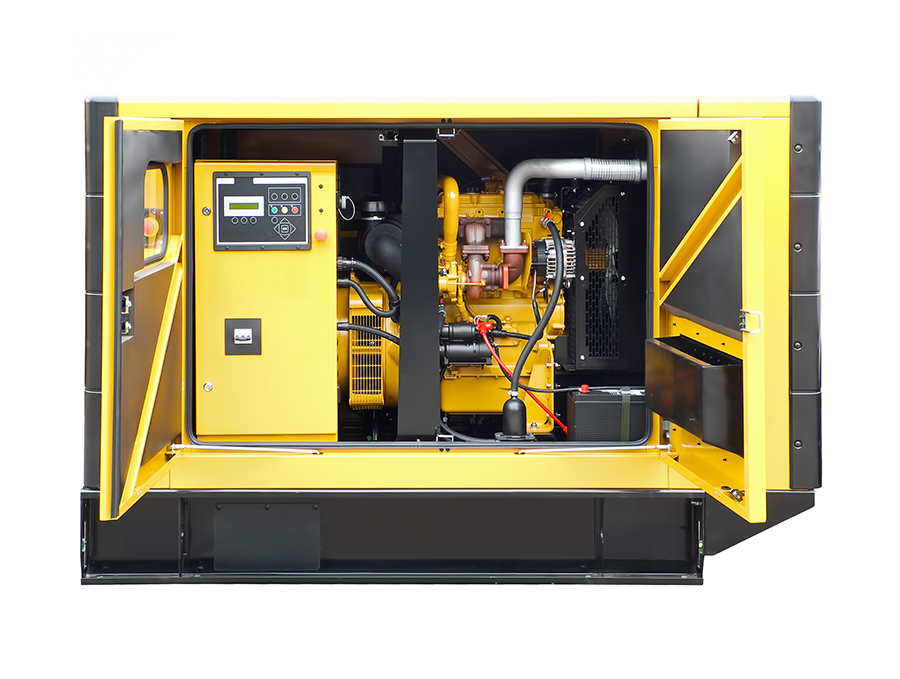
A preventive maintenance plan ensures a longer lifespan and proper functioning of the power generator. It periodically certifies quality by analyzing energy production capacity, components, and parts. It must be executed by authorized professionals following the manufacturer’s guidelines, with recognized companies and specialized technicians. A generator is a complex piece of equipment that requires expertise. The main goal is to certify operation and ensure maximum performance. Non-compliance with standards can void the warranty. Advantages: increased reliability, quality in supply, extended lifespan, and reduced repair costs.
The importance of containment basins for generator sets
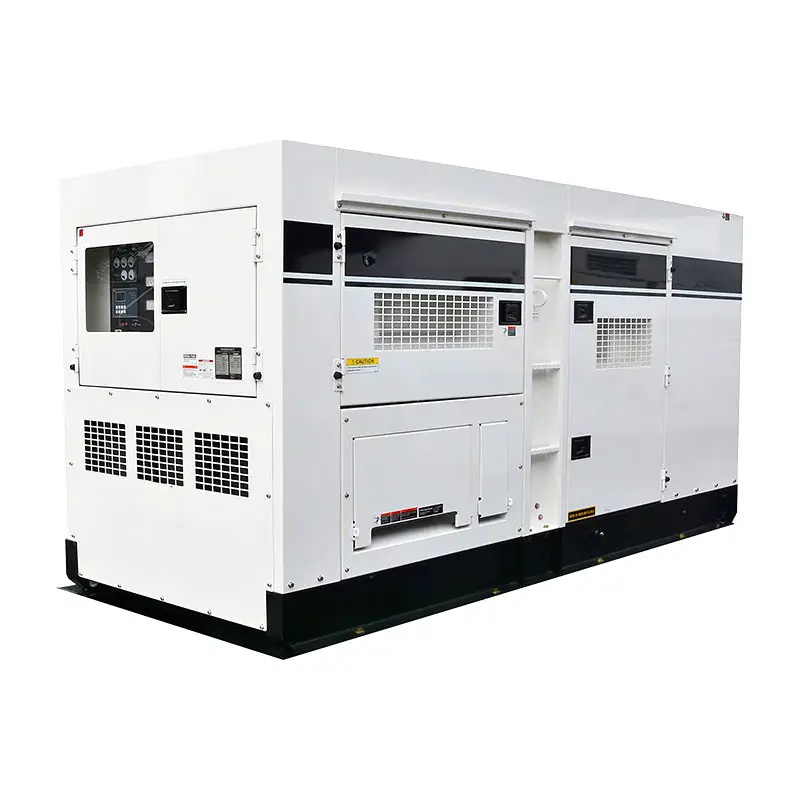
The containment basin is a safety item that prevents fuel leaks from contaminating the soil and water resources in the area where the equipment is installed, and is also an item checked during environmental inspections and audits by corporate clients.
How to Prevent Electrical Hazards in Construction
Safety is a critical concern at every stage of construction, especially when considering electrical hazards. Workers must use PPE and adhere to Ministry of Labor regulations. To prevent electrical risks, avoid makeshift solutions and ensure a specialized technician supervises the work. Tips include mandatory use of PPE, checking the safety of electrical equipment, maintaining site organization, using Inmetro-certified materials, hiring qualified professionals, and marking areas with electrical risks.
What are the key safety items to consider for power generators
Brazilian legislation holds owners accountable for the installation and use of power generators, requiring technical knowledge and adherence to safety standards. Private generators need authorization from ANEEL, which checks installation conditions and regulates maintenance. Essential safety items include an isolated control panel, isolated fuel tank, easily accessible shutdown buttons, water/oil separator, air filter, and an operational indicator light.