

How to Operate an Aerial Work Platform
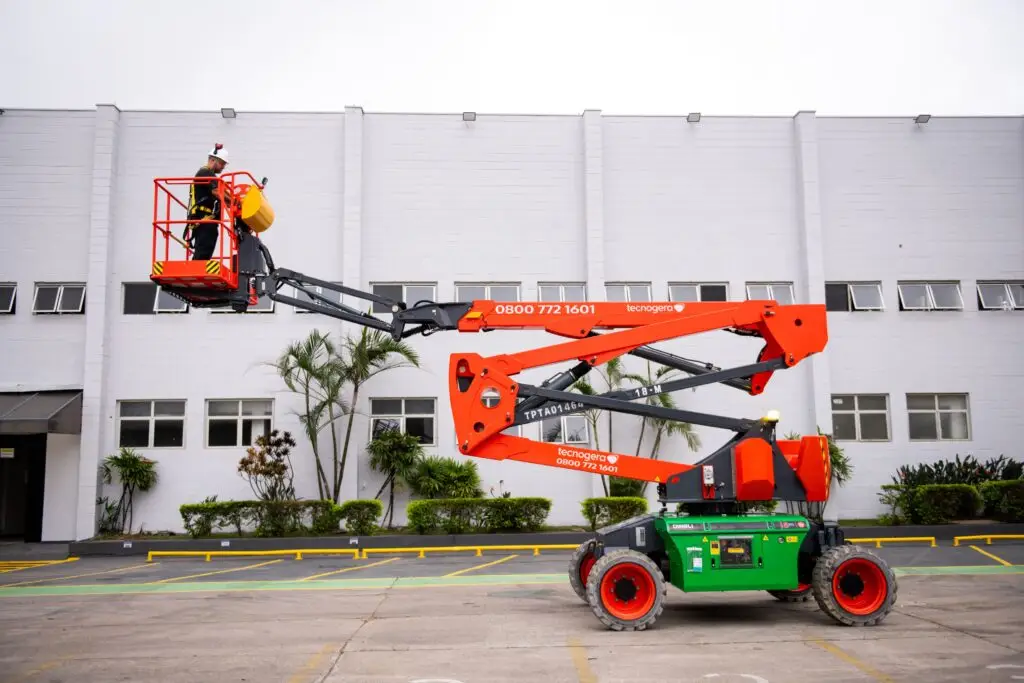
To safely operate aerial work platforms, it’s essential to know the controls and components, have proper training and certification, and conduct a pre-operational inspection checking tires and safety devices. During operation, use protective gear, move carefully, and keep the center of gravity low. When finishing, lower slowly, turn off equipment, and perform a final inspection. Electric models offer the same efficiency with environmental benefits.
How to Revolutionize Your Operations with Aerial Platforms
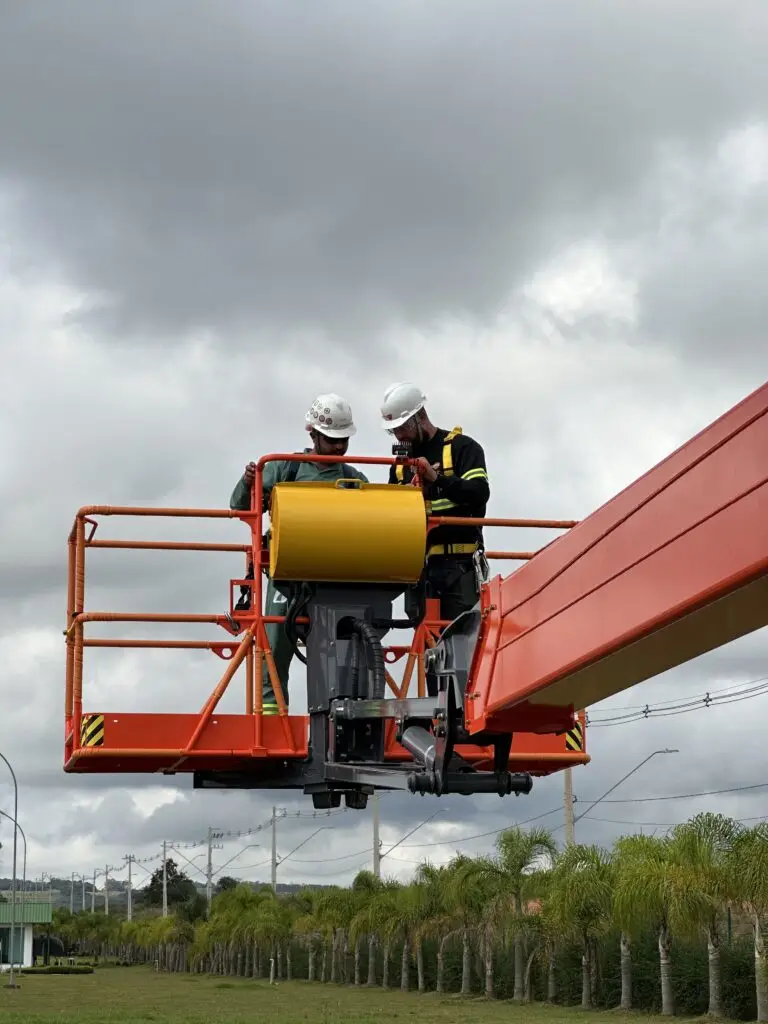
Aerial platforms transform operations by offering ready-to-use equipment, safety features, simple maneuverability, and quiet operation. There are two main models: scissor lifts for lower heights and level ground, and articulated lifts for complex tasks on uneven terrain. Renting is more cost-effective than buying, especially for occasional jobs, eliminating maintenance concerns and offering quick charging with lithium batteries.
What is needed to rent a lift platform?
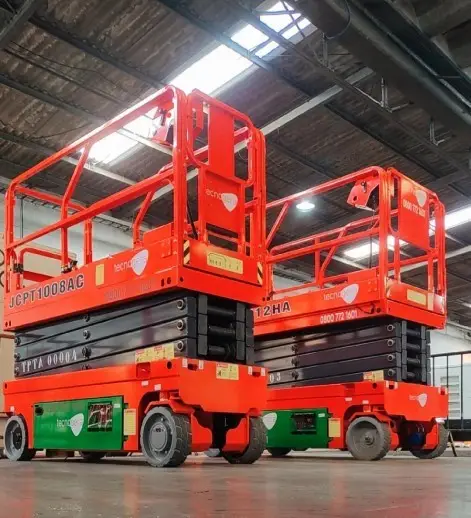
To rent lift platforms, you need to provide: desired height, type of terrain, indoor/outdoor environment, usage period, and location. Safety is paramount, with new equipment featuring anti-crush sensors. There are scissor models (vertical lift) and articulated models (complex tasks), both 100% electric with lithium batteries and smart charging.
Scissor Lift: Operational Agility
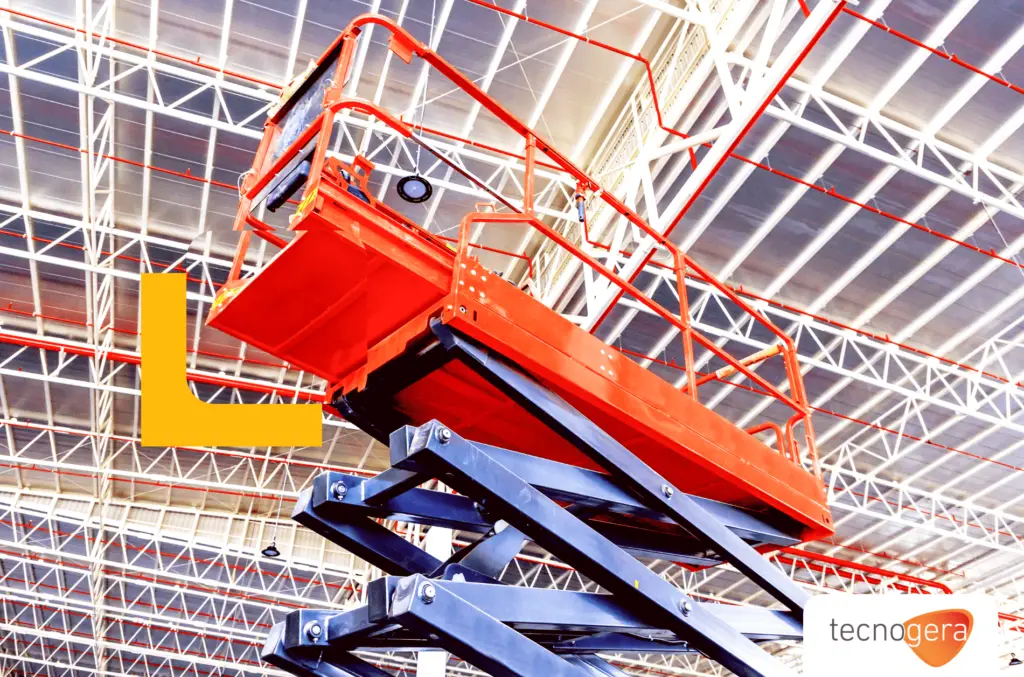
Scissor lifts are vertical elevation equipment designed for indoor tasks up to 20 meters. They’re ideal for renovations, painting, electrical repairs, and maintenance. Electric models offer the same efficiency as combustion ones, with added benefits like indoor use, quick lithium battery charging, and a convenient ‘grab and go’ style.
What is the purpose of a circuit breaker?
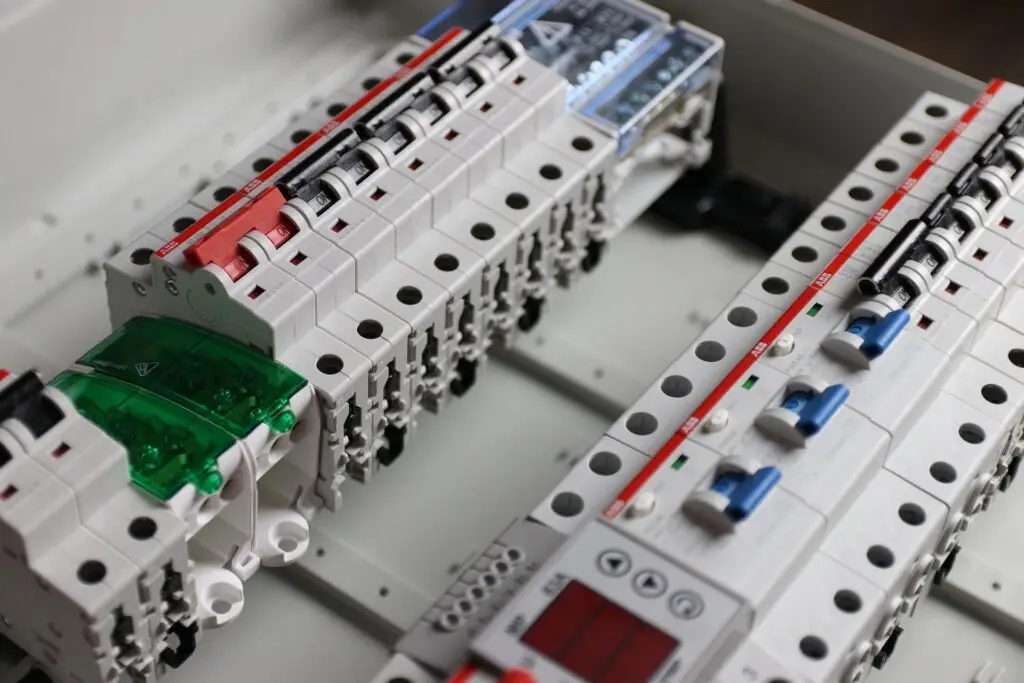
A circuit breaker is a mandatory electromechanical device in electrical installations that protects against faults, overloads, and short circuits. It monitors and controls the electrical current, interrupting the supply when it detects abnormal values. There are different types: magnetic (for precision control), thermal (using metal plate expansion), and thermomagnetic (a combination of both). Circuit breakers range from small ones for domestic use to large ones for high voltage, essential for ensuring the safety and quality of the electrical system.
Power plants also require alternative energy
Power plants need power generators for process start-ups, scheduled maintenance, and emergency shutdowns. Black Start testing simulates a total blackout to assess recovery time: at the Jirau plant, 24 of the 50 turbines were restored in 30 minutes. Applications include hydroelectric plants like Itaipu and Jirau, distribution substations, sugar-alcohol industries with self-generation, steam turbo generators. Tecnogera offers the EaaS (Energy as a Service) concept with an extensive fleet for scheduled and emergency situations.
How to plan power backup for maintenance shutdowns?
Maintenance shutdowns require strategic planning to keep critical operations running. The process should be mapped out months in advance, including: detailed schedule, multidisciplinary teams, work orders, risk analysis, and safety measures. During maintenance, utility supply must be interrupted for technician safety. Solution: power generators for backup. Two main scenarios: sector isolation (generator powers a specific area) or total shutdown (generator keeps essential areas running). Generator rental offers flexibility and access to suitable models without large investments. Tecnogera provides diverse options for different maintenance needs.
Why is testing power generators in the healthcare sector important?
Load bank testing is crucial for validating critical energy systems in hospitals. It ensures backup generators activate within seconds during grid failures, safeguarding patient safety. Monthly testing with resistive/reactive load banks is recommended. These tests uncover hidden faults, sizing issues, and fuel buildup in exhausts, preventing fire risks.
Temporary HVAC solutions mitigate losses in the retail sector
Restaurant at Anália Franco Shopping Mall (Tatuapé/SP), a North American casual dining chain in expansion, needed to replace an inefficient 10+ year-old Chiller. Complex logistical challenge: the old equipment was installed in a building under construction (crane without interference), now with iron beams creating obstacles for installing new equipment. The only accesses: elevator and parking ramp. Tecnogera selected equipment with suitable dimensions for movement. Solution provided: 2 Chillers of 20TR each, complete infrastructure with accessories in a turnkey model. Service met the strict requirements of the mall’s management, operation during nighttime. Equipment remained for 30 days (initially planned for 15 days). Differentials: compliance with management requirements, equipment size requirements, 24-hour commercial/technical service…
Power Transformers: Types and How to Choose for My Business
Electrical transformers convert current and voltage values through windings and a core. Main types: residential autotransformers (110V/220V), electronic (low voltages), distribution (street poles), power (industrial substations), and low voltage (internal circuits). Choice depends on purpose, location, and specific business needs. Incorrect voltage use can permanently damage equipment.