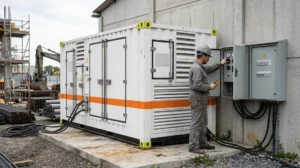
Ensuring that the emergency backup power generator activates and meets the actual load of the hospital unit during a utility grid failure is crucial to mitigate operational risks, with potentially intangible consequences.
Importance of Load Bank Testing
If backup generators cannot activate within seconds and absorb critical and essential loads, patient safety is at risk. Load bank testing is the most effective method for validating critical energy systems in hospital environments.
Load bank tests provide a constant, sustainable, and controllable load to simulate various load situations. This allows for the detection of potential problems in a safe and controlled environment, without risking the hospital’s operational system.
Testing Frequency
- Monthly load bank tests
- Weekly checks as per manufacturer instructions
- Annual full load tests
What is Tested?
With reactive and resistive load banks, you can accurately test:
- Backup generators
- Distribution panels
- UPS systems
- Batteries
- Transformers
- Protection relays
All tests should be conducted by specialized technicians to ensure precise and reliable results.
Advantages of Load Bank Testing
1. Detection of Hidden Faults
Many issues only manifest under full load. Tests without adequate load can mask critical failures.
2. Performance Verification
- Response capability to load peaks
- Voltage and frequency stability
- Fuel consumption under load
3. Prevention of Common Problems
a) Wet Stacking
Accumulation of unburned fuel in the exhaust system, which can cause:
- Fire risk
- Engine damage
- Reduced efficiency
b) Undersizing
Verification if the generator still meets current demand, considering possible expansions or load increases over time.
Benefits for Healthcare Units
- Ensured operation in critical situations
- Reduced risks for patients
- Compliance with standards and regulations
- Optimization of preventive maintenance
- Extended equipment lifespan
Final Considerations
Load bank testing is not just a best practice but a critical necessity in healthcare environments. They ensure that, when needed, the emergency power system is ready to take over the supply safely and efficiently, protecting lives and essential equipment.
Tecnogera offers comprehensive load bank testing solutions for healthcare units, with a specialized technical team and state-of-the-art equipment to ensure the reliability of your backup power system.