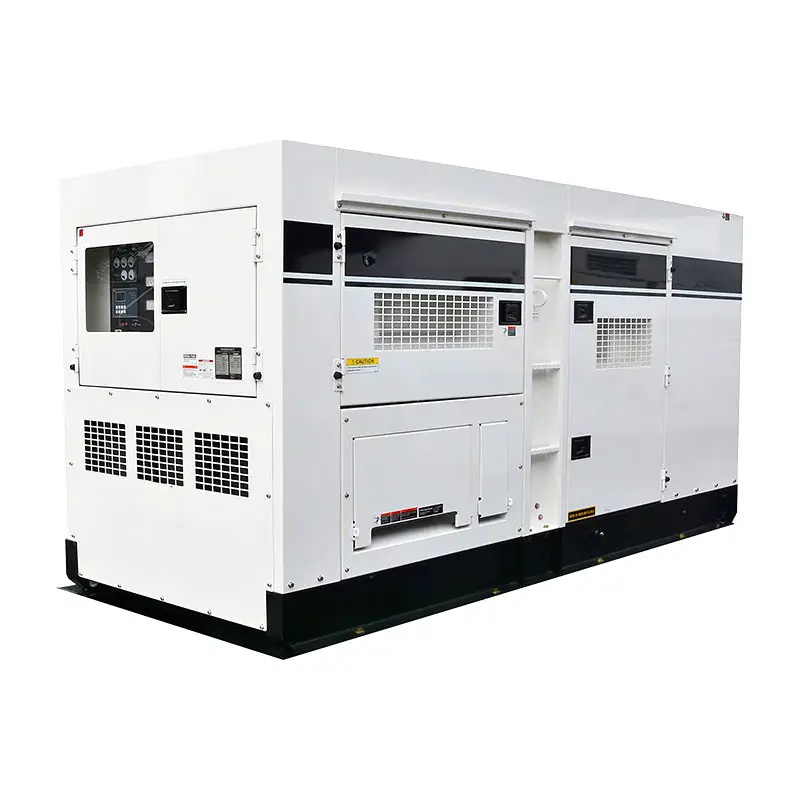
The efficiency of a containment basin depends not only on its installation but also on meeting the technical requirements established for this type of solution.
Aspects such as retention capacity, resistance to the fuels used, and suitability for the operating environment are essential to ensure compliance with legislation and the safety of the installation.
Therefore, the manufacture and use of these structures must follow current technical standards and environmental requirements.
What is a containment basin?
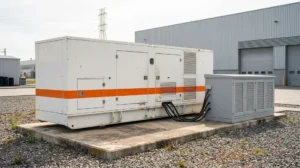
The containment basin is a structure installed under the generator set to retain leaks of diesel oil, lubricating oil, and other fluids that may occur during the operation, refueling, or maintenance of the equipment.
Its main objective is to prevent these liquids from reaching the soil, water bodies, or drainage systems, reducing the risks of environmental contamination.
In addition to protecting the environment, the use of the containment basin contributes to operational safety and helps companies comply with environmental requirements applicable to the storage and handling of fuels.
Why is the containment basin important for generator sets?
Generator sets store and use fuels and lubricants that, in the event of a leak, can cause environmental contamination, operational interruptions, and costs for remediating the affected area. The containment basin reduces these risks by preventing fluids from spreading beyond the equipment area.
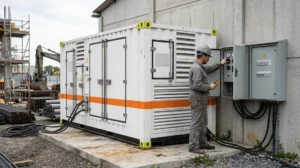
Its use also facilitates inspection, waste collection, and maintenance, making the operation more organized and safe, especially in industrial environments, construction sites, events, and locations subject to environmental requirements.
What are the advantages of a containment basin?
Installing a containment basin offers benefits beyond environmental protection, including:
- Reduced risk of soil contamination and water resources.
- Increased safety during operation and refueling of the generator set.
- Less waste of fuel and lubricants in case of leaks.
- Ease of cleaning and incident management.
- Support for compliance with environmental regulations and the company’s sustainability policies.
These benefits help increase operational reliability and reduce financial and environmental impacts caused by unexpected occurrences.
How to choose a containment basin?
The choice of containment basin should consider factors such as the fuel tank capacity, the volume of fluids that can be stored, the installation environment, and the legal requirements applicable to the operation.
It is also important to evaluate the manufacturing material. Models made of high-density polyethylene (HDPE) or steel offer high chemical and mechanical resistance, being suitable for continuous exposure to diesel oil and other fluids used in generator sets.
What standards regulate containment basins for generator sets?
In Brazil, the Brazilian Association of Technical Standards (ABNT) publishes standards that guide the design, installation, and operation of fuel and flammable liquid storage systems.
Containment basins for generator sets must comply with technical standards and legislation applicable to the storage and handling of fuels, ensuring greater operational safety and environmental protection.
Among the main references is the NR-20 (Safety and Health at Work with Flammable and Combustible Materials), which establishes requirements for the prevention and control of risks involving fuels.
The ABNT NBR 17505 defines technical criteria for the storage of flammable and combustible liquids, including containment and environmental protection measures.
As a complement to good practices, many companies adopt the ABNT NBR ISO 14001, focused on environmental management.
In addition to these standards, it is important to meet the requirements of environmental agencies and the Fire Department applicable to the installation site, ensuring operational compliance and reducing environmental risks.
Count on Tecnogera for safer operations
In addition to providing high-performance generator sets, Tecnogera offers solutions designed to meet safety requirements, performance, and environmental compliance for each project.
Our technical team assesses the operation’s needs and recommends the most suitable configuration to ensure safety, continuity of power supply, and compliance with applicable standards. Thus, your company reduces operational and environmental risks without compromising productivity.
Talk to Tecnogera’s specialists and find the ideal solution for your project!