

Where to Use a 100 kVA Generator
A 100 kVA power generator is compact and efficient, making it ideal for multiple applications. Key uses include: condominiums with up to 20 apartments, construction sites, industries with extended shifts, hospitals, colleges, businesses with perishable goods, and events. Features: low fuel consumption, 100-liter tank, up to 13 hours of autonomy, easy transport, immediate response. It ensures the operation of emergency lights, security cameras, alarms, and electric gates during outages. Tecnogera offers an EaaS model with a modern fleet.
What is biogas?
Biogas is a renewable fuel produced by the anaerobic decomposition of organic matter through bacteria, without the presence of oxygen. Composition: 60% methane, 35% carbon dioxide, 5% other gases (hydrogen, ammonia, nitrogen). It can be extracted from landfills for up to 30 years or produced in specialized anaerobic reactors. Advantages for generators: lower environmental impact vs diesel, reduction of greenhouse gases, utilization of organic waste, supply via utilities (greater security than fuel storage), reduced operational costs, sustainable corporate image. Brazil has Bill 2193/20 for Federal Biogas/Biomethane Policy encouraging production and research.
How to plan power backup for maintenance shutdowns?
Maintenance shutdowns require strategic planning to keep critical operations running. The process should be mapped out months in advance, including: detailed schedule, multidisciplinary teams, work orders, risk analysis, and safety measures. During maintenance, utility supply must be interrupted for technician safety. Solution: power generators for backup. Two main scenarios: sector isolation (generator powers a specific area) or total shutdown (generator keeps essential areas running). Generator rental offers flexibility and access to suitable models without large investments. Tecnogera provides diverse options for different maintenance needs.
How to rent a power generator. Find out now how to request yours!
The generator rental process requires a thorough analysis of energy demand, installation site, and technical specifications. Key considerations: accurate load calculation (sum of equipment), appropriate noise level, fuel type (diesel, gasoline, natural gas), sizing to reduce peak hour costs. Tecnogera offers the EaaS model (Energy as a Service): solutions from 25kVA to 1500kVA, thermal plants up to 100MVA, Turnkey option (pay only for energy consumed), 24/7 monitoring, maintenance included, specialized technical support. Advantages of rental vs purchase: no responsibility for maintenance, conservation, accessories, and fuel.
Telemetry. A measurement system essential to energy technology
Telemetry is a remote measurement system (“tele” = remote + “metron” = measure) that monitors generators in real time. Key benefits: equipment geolocation control, operational parameters monitoring (voltage, power, current, temperature), immediate dispatch of technical teams, remote corrections to normal operating conditions. Tecnogera has an Operational Control Center (CCO) for EaaS (Energy as a Service): swift data collection, structured predictive maintenance, accurate historical reports, reduced failure rates, increased equipment availability. An essential system for remote areas with unstable energy supply, ensuring maximum performance through continuous 24/7 monitoring, anticipating root cause issues.
Technology in agribusiness, because the energy sector is essential

Brazilian agribusiness represents 21.4% of the national GDP (3.81% growth in 2019), demanding energy security as a fundamental pillar. The sector faces energy instability in remote areas (voltage/frequency fluctuations), impacting technologies: agricultural robots, drones, sensors, electronic irrigation, Big Data, machine learning. Critical cases: milk production (thousands of liters lost without refrigeration), automated milking (interruption affects production), poultry farming (temperature/humidity control vital to prevent mortality). Tecnogera offers EaaS (Energy as a Service): temporary energy with telemetry, preventive/corrective maintenance included, 24/7 service, allowing clients to focus on their core business. Diesel generators are essential for the continuity of remote agricultural operations.
Why is testing power generators in the healthcare sector important?
Load bank testing is crucial for validating critical energy systems in hospitals. It ensures backup generators activate within seconds during grid failures, safeguarding patient safety. Monthly testing with resistive/reactive load banks is recommended. These tests uncover hidden faults, sizing issues, and fuel buildup in exhausts, preventing fire risks.
Discover the different forms of power generation
Different types of generators convert various energy sources into electricity through chemical, mechanical, thermal, or solar processes. These include solar generation (photovoltaic panels), thermal (steam turbines), chemical (batteries), wind (wind turbines), and fossil fuels (diesel, gasoline, gas). Mechanical generation is more common, found in hydroelectric plants and alternators. The choice depends on the specific application.
What will the energy market look like in 2020? Opportunities and challenges
The Brazilian energy sector is projected to grow by 4.5% in 2020, but electricity bills will increase by 2.42%. The installed capacity of the power generation sector will grow by more than 50%, totaling around 20 billion reais due to subsidies for solar and wind energy. Power generators offer an economical alternative for companies, reducing peak hour costs by up to 30% and ensuring operational continuity.
Agribusiness entrepreneur? Discover why power generators should be a priority
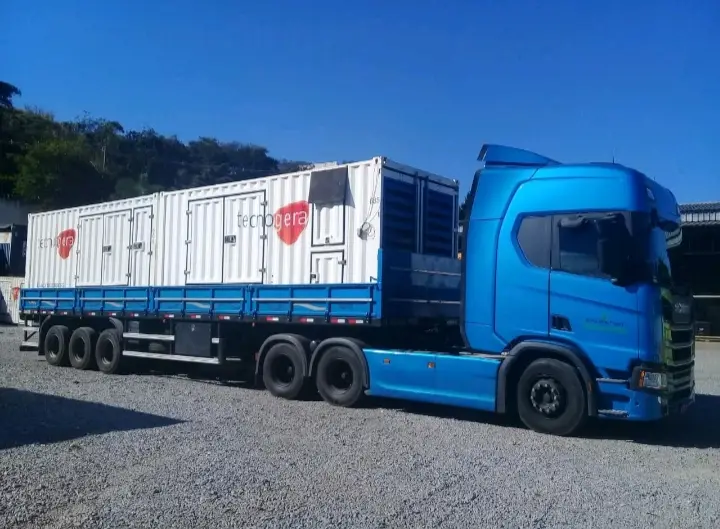
Brazilian agribusiness ranks 3rd globally in exports with the 2019/2020 harvest estimated at 245.8 million tons. Emerging technologies like agribots, precision agriculture, and sensors demand reliable energy. Diesel generators ensure continuous production in greenhouses, refrigeration facilities, and grain drying/storage processes, potentially reducing energy costs by up to 30% during peak hours.