

Power generator maintenance: types and how to perform
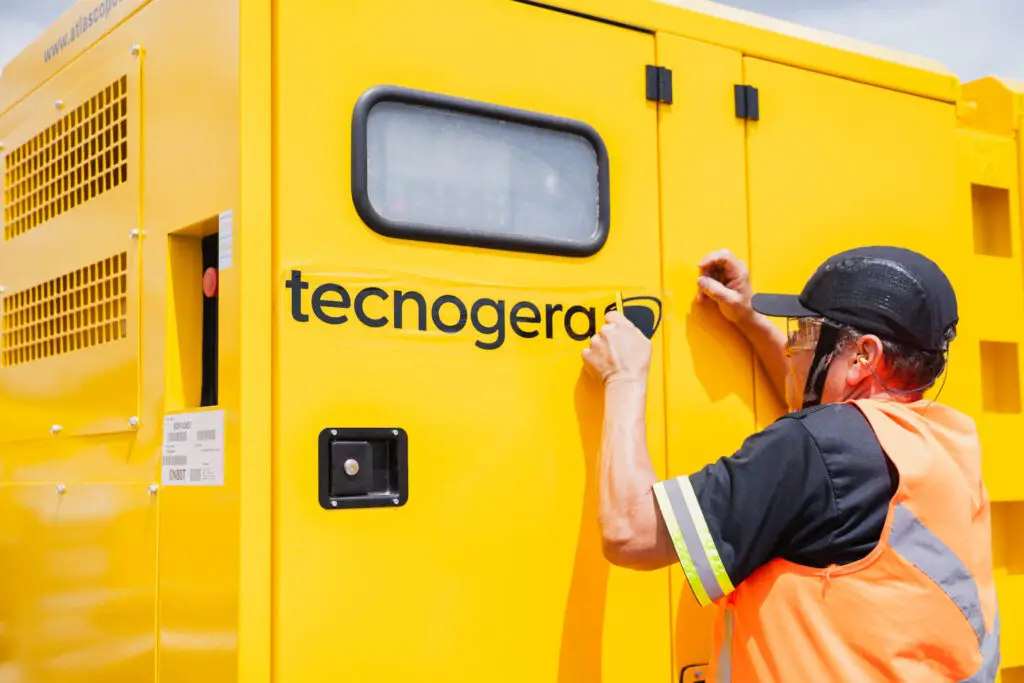
Preventive maintenance of generators is essential to preserve lifespan and ensure performance. Routines divided into specific periods: daily (fuel/oil levels, general inspection), weekly (drainage, battery, filters), monthly (connections, belts, cooling), semiannual (hoses, filter replacement) and annual (complete cleaning). It should only be performed by specialized professionals to avoid irreparable damage.
Understand the Differences Between Volts, kVA, and Watts
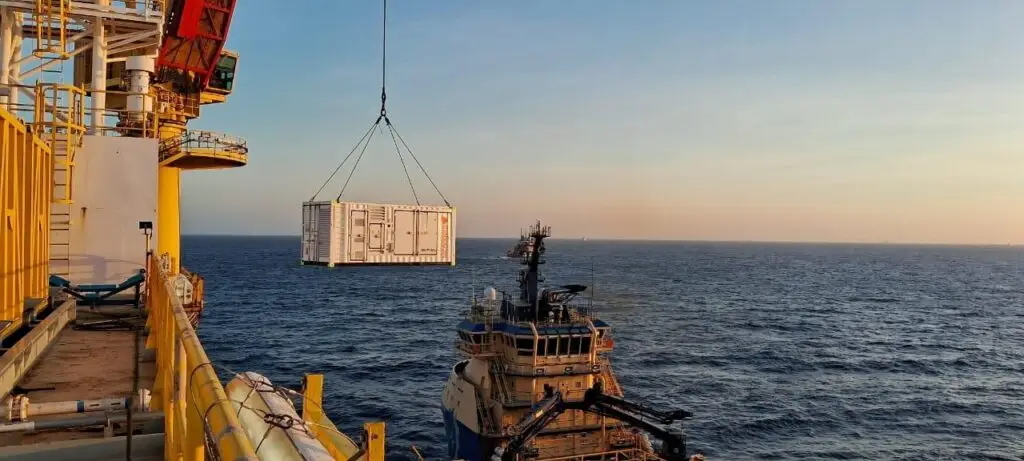
Volts measure electrical voltage (potential difference between points), kVA indicates apparent power in generators (1000 volt-amperes), and watts determine the actual consumption of electrical equipment. For generator sizing, it’s essential to understand these three measurements: voltage for operation, apparent power for capacity, and watts for effective consumption. Knowing the differences helps in choosing the right equipment.
Energy generator for companies: how to choose the ideal one
Global generator market valued at US$ 3.7 billion in 2018 with an annual growth rate of 5.2% until 2025. Benefits include savings during peak hours, increased productivity, security of critical equipment, uninterrupted operation for hospitals and monitoring centers, modern technology and good fuel efficiency. Equipment serves companies of all sizes.
Peak Hour Savings: Do It Smart

Peak hours are 3 consecutive hours of highest electricity consumption with elevated rates, regulated by ANEEL Normative Resolution No. 482/2012. Shutting down equipment is impractical for businesses. Standby generators offer the ideal solution, remaining on standby and automatically activating when needed, providing significant savings without affecting productivity.
Electricity Distribution in Brazil: How It Works
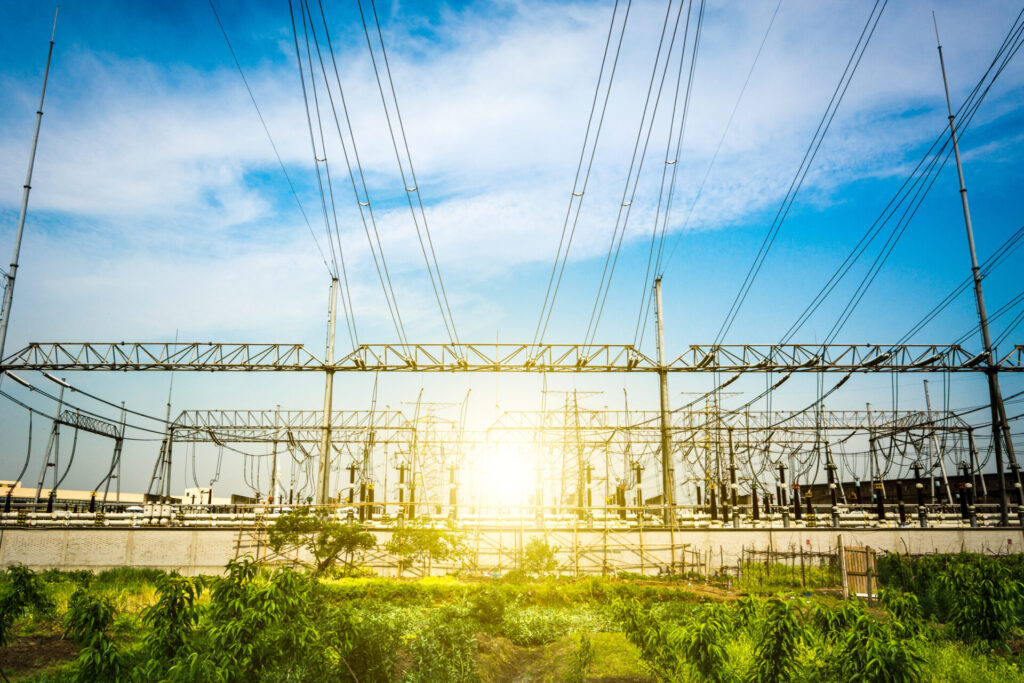
The electricity distribution system in Brazil consists of three main stages: generation (at hydroelectric, wind, thermal power plants, and others), transmission (via high-voltage lines), and distribution (to end consumers). The National Interconnected System (SIN) spans over 100,000 km and covers 98% of the national territory. Although 99.8% of Brazilian households have access to electricity, only 52.97% of distributors provide satisfactory quality, according to IDEC research.
Standby Generators and Their Use During Peak Hours
Emergency generators remain on standby, activating only when needed. Ideal for peak hours when rates can be up to 3 times higher due to tariff flags (green, yellow, red). Essential applications in universities, supermarkets, shopping centers, hotels, and multi-shift industries. They offer reliability, power quality, and substantial savings without operational disruption.
Brazilian Energy Market: Understand How It Works
The Brazilian electrical system is composed of 62% hydroelectric, 28% thermoelectric, and 10% wind/importation. The National Interconnected System connects power plants to consumers through 100,000 km of lines, covering 98% of the national territory. Brazil ranks 6th globally in energy costs (R$ 402.3/MW/h), 46% above the international average. Generators offer an alternative for remote locations, peak hours, and distribution failures.
Cooling and Climate Control Systems: Everything You Need to Know
Essential systems for thermal comfort and product preservation. Studies show that 22% of workers have impaired concentration due to heat, with ideal productivity between 21-22°C. Thermolabile medications and food require continuous refrigeration to maintain quality. The system operates with a chiller cooling water sent to a fan coil unit that produces airflow. Rental offers cost savings and operational peace of mind.
Discover the advantages of using generators for small and medium-sized businesses
Generators aren’t just for large companies. SMEs benefit from uninterrupted operations, preservation of refrigerated products, stable energy in underserved areas, and cost savings during peak hours (5 PM-9 PM). An IDEC survey reveals only 52.97% satisfactory quality in national power distribution. Rental makes the investment accessible with delivery, installation, and maintenance included.
How long does a power generator last?
The lifespan of generators varies based on several factors: required power, tank size, fuel type, and operating mode. Power calculation: sum equipment in Watts, convert to kVA (multiply by 1.52), apply a 30% margin (multiply by 1.3). Tanks range from 50-140L (generators 50-150 kVA) to 200-600L (larger equipment). Diesel offers better efficiency than gasoline.