

The power ranges indicated for each segment
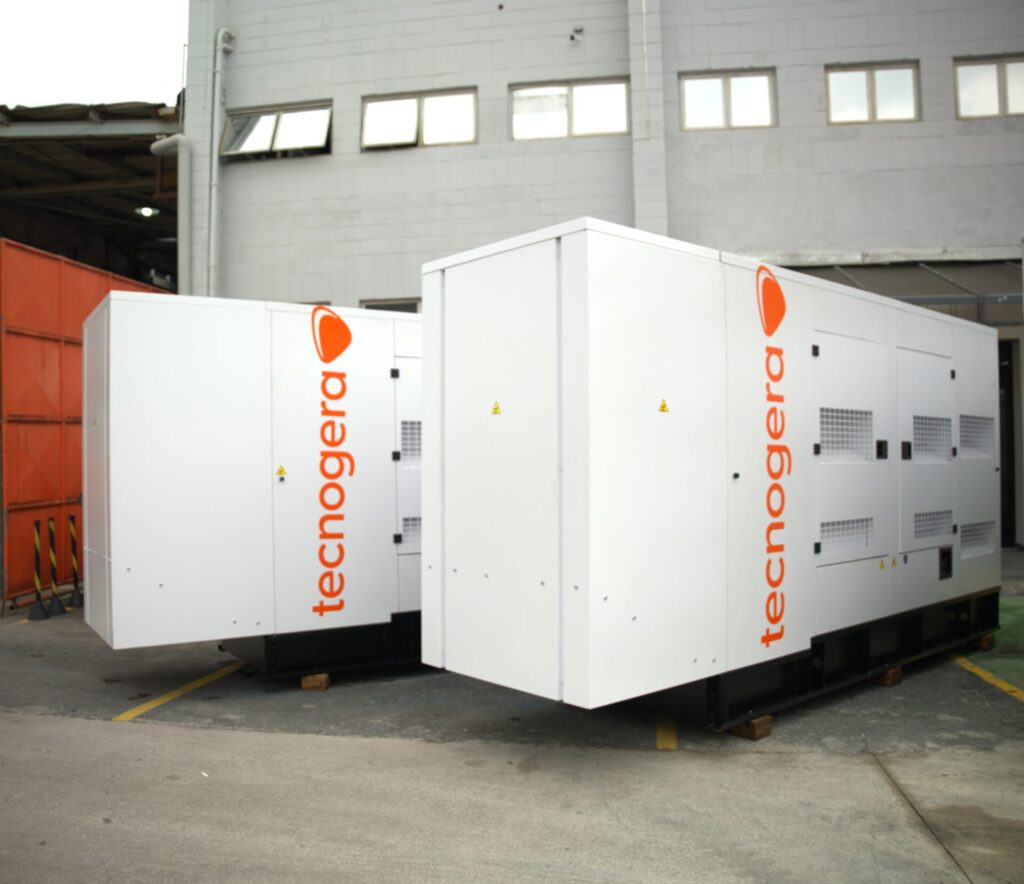
Establishments such as hospitals, supermarkets, laboratories, data centers, and events are entirely dependent on electricity. Generators ensure a constant supply even with distributor instability. Power ranges: 1500-2500 kVA (oil and gas, offshore, power plants); 1000-1500 kVA (power plants, automotive industries, steel industry); 750-1000 kVA (mining, refineries, data centers); 500-750 kVA (metallurgy, steel industry, cement/glass factories); 370-500 kVA (large events, food/beverage industries); 270-370 kVA (retail); 130-270 kVA (chemicals, electronics); 60-130 kVA (civil construction); 10-60 kVA (telecommunications).
150 kVA generator rental: rental advantages and uses
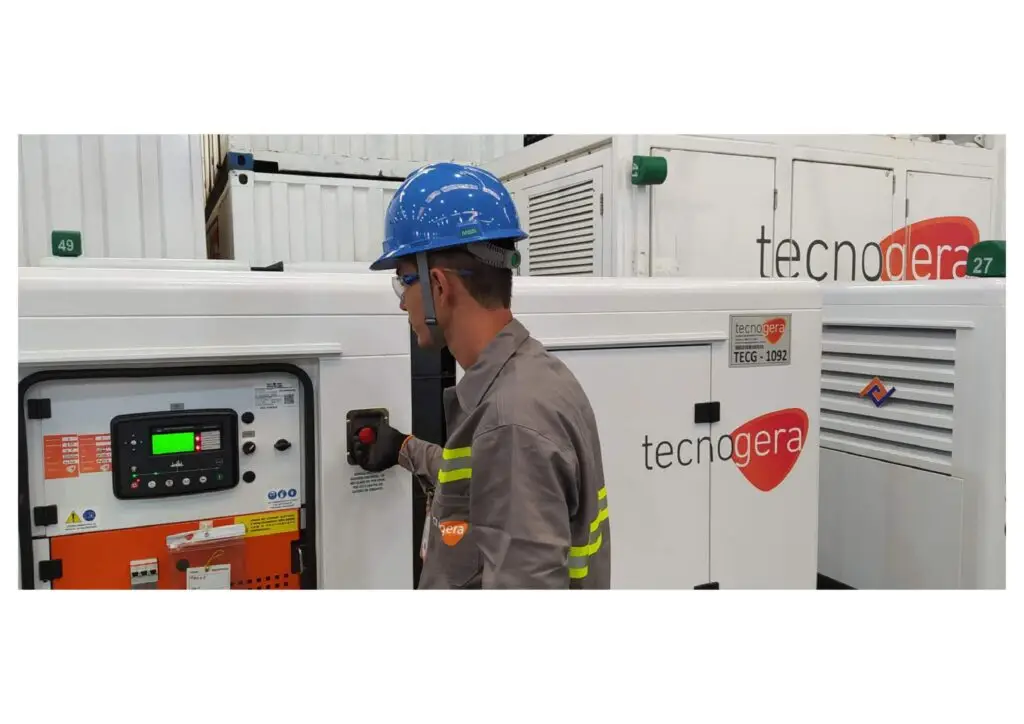
A 150 kVA generator is versatile and maintains supply during outages, reduces energy costs, and serves remote locations. It occupies space equivalent to a parking spot, making it ideal for businesses, residences, and industries. Applications include automotive/pharmaceutical industries, universities, research centers, supermarkets, condominiums, security devices, telecommunications, and data centers. Tecnogera has a fleet of 25-1500 kVA operating 24/7/365 days. The 150 kVA model has a 200-liter tank running up to 13 uninterrupted hours, is quiet, enclosed, and offers excellent performance.
The Importance of Logistics in Temporary Power Supply for Oil Platforms

Providing temporary power for oil platforms presents unique logistical and operational challenges. With consumption levels akin to large cities, these platforms require specially developed generators, like those from Tecnogera, which weigh up to 14 tons and boast 90% domestic content. The equipment includes specific technologies for offshore environments, such as special alternators and fire prevention systems, and undergoes rigorous commissioning tests to ensure safe and continuous operation.
How is power generator sizing done?
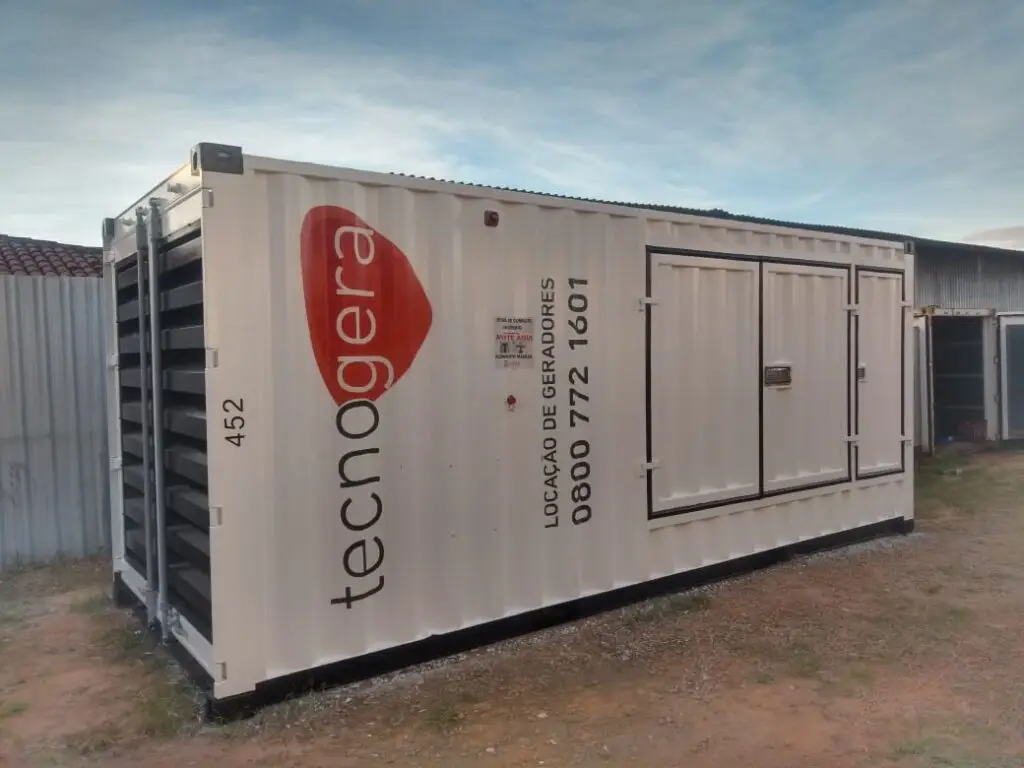
Power generator sizing analyzes electrical load, installation environment (open/closed), local temperature, pollution levels, supply characteristics (exclusive/backup), altitude, and displacement. Power calculation involves summing device power, multiplying by power factor, adding a 30% margin, and dividing by 1000 to obtain kVA. Ideal operating regime is 8 hours of work with 4 hours of rest. Adequate fuel supply must be considered. Tecnogera offers solutions with efficiency, delivering more energy with less fuel through the most modern fleet in the country.
Industrial UPS vs. Power Generator: Understand the Differences

Both industrial UPS and power generators ensure high-quality electrical supply but operate differently. A UPS uses an internal battery bank that charges automatically, providing almost instant power with limited autonomy, regulating voltage and purity to prevent damaging surges. A generator offers unlimited autonomy as long as it has fuel, is large-scale with high power, ideal for long periods but takes time to reach optimal operation. They can be combined: the UPS acts instantly during failures while the generator prepares, then the UPS shuts down and batteries recharge. This combination completely eliminates interruptions.
Discover the main causes of a blackout and how to prevent it
Blackouts cause severe social and economic losses, as seen in Amapá over several days. Main causes: accidents in extensive transmission networks, tree falls, weather events, consumption overload, and energy waste. Prevention includes alternative sources like solar and wind energy. A power generator is the best solution: sized according to need, operates for long durations or on demand, and allows cost optimization during peak hours with different utility rates.
Types of power generators: Models for different scenarios and needs

There are different types of generators for various needs: solar (solar panels, 5-7 year financing, 30-year lifespan), wind (sustainable, uses wind movement), chemical (batteries for portable devices), mechanical (hydroelectric plants with turbines), and fossil fuel (most common). Fuel generators vary: gasoline (portable, higher consumption), diesel (cost-effective, durable, lower consumption), and gas (sustainable, high efficiency). Generators 1000-1500 Ideal KVA for large establishments.
Why is generator rental an efficient and cost-effective choice?
The Brazilian energy system is vulnerable to interruptions due to its hydroelectric matrix and vast territory. Generator rental offers advantages: more predictable costs than tariff flags, use during peak hours, maintenance included, seasonal adjustment for businesses with variable demand, support for construction/expansions and one-off events. Ideal for companies seeking economical backup power without the high costs of acquisition and maintenance.
How a Power Generator Works for Condominiums
Generators for condominiums operate in standby mode with an automatic transfer switch that monitors the power grid and activates the equipment when it detects utility failures. They keep hallway lights, elevators, intercoms, electric gates, and complete electronic security systems running. They offer special security for elderly residents who rely on elevators. Renting is more advantageous than buying: it eliminates high acquisition, installation, and maintenance costs, leaving only fuel supply.
Power plants also require alternative energy
Power plants need power generators for process start-ups, scheduled maintenance, and emergency shutdowns. Black Start testing simulates a total blackout to assess recovery time: at the Jirau plant, 24 of the 50 turbines were restored in 30 minutes. Applications include hydroelectric plants like Itaipu and Jirau, distribution substations, sugar-alcohol industries with self-generation, steam turbo generators. Tecnogera offers the EaaS (Energy as a Service) concept with an extensive fleet for scheduled and emergency situations.