

Discover how electric power generation, transmission, and distribution work

Have you ever wondered how the electricity generated by large power plants makes its way to our homes, businesses, offices, and industries? The process is quite complex and involves much more than simply sending electricity through the power grid. In fact, throughout the journey, electricity must be transmitted, transformed, and distributed under strict quality and safety standards, passing through power plants, substations, and transformers before reaching the end consumer.
Types of Electrical Transformers: Discover What They Are

An electrical power transformer receives high-voltage energy unsuitable for use and reduces it to a level usable in household appliances and lighting. There are various types classified by purpose, core material, or number of phases, including current, power, distribution, and force transformers. Power transformers step up or step down voltage and are divided into force for utilities and substations, and distribution for end consumers. Autotransformers convert between 110-240V.
Energy Efficiency: Strategies to Reduce Consumption

Energy efficiency is about the rational and conscious use of energy, aiming to meet needs without depleting natural resources. It involves optimizing processes, using modern equipment like LEDs and efficient motors, planning activities to reduce waste, and maximizing natural light. The benefits include cost reduction, increased competitiveness, sustainability, and energy security. Practical strategies include preventive maintenance, thermal insulation, equipment with the Procel seal, and monitoring systems. Tecnogera offers customized solutions to optimize energy costs and ensure reliability.
Understand What a Circuit Breaker Is and Its Purpose

A circuit breaker is an electromechanical device that protects electrical installations from overloads and short circuits. It monitors electrical current, interrupting the flow when there are spikes above the appropriate level. It prevents accidents such as equipment damage and fires. Main types include: high voltage (large capacities up to 100A), magnetic (precise protection against anomalies), thermal (interrupts due to high temperature), and thermomagnetic (residential/commercial). Essential for electrical safety in various applications from domestic to industrial.
Power quality: what it is and how an analyzer works
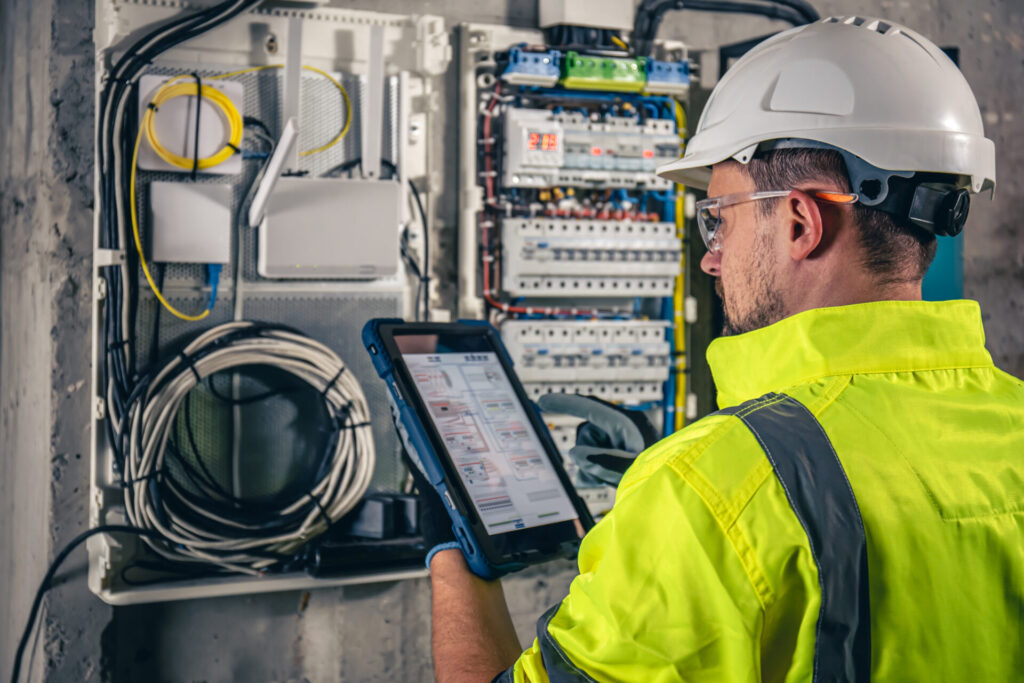
A power analyzer is an essential piece of equipment for measuring the quality of electrical energy, used by specialized technicians in homes, businesses, industries, and hospitals. It analyzes parameters such as supply quality, intensity, and failures. It captures voltage events, generates accurate reports, and stores data for long periods. It monitors network needs and measures harmonic distortion. Its robust design facilitates movement between sectors.
Learn about active, reactive, and apparent power
Electric power is the work done by current over a specific time interval. Active power generates heat, motion, or light, measured in watts/kilowatts. Reactive power maintains the electromagnetic field in motors and transformers, measured in KVAR. Apparent power is the sum of both, measured in KVA. Low power factor causes voltage variations, motor burnout, energy loss, and conductor heating.
How is electrical substation maintenance performed?
Substations distribute energy from power plants by transforming high voltage to a standard usable by consumers. Maintenance requires great responsibility as equipment does not always clearly indicate problems. Procedures include preventive maintenance up to 230KV, electrical testing, connection verification, thermovacuum testing, and nitrogen drying. General cleaning removes dust from electrical connections. Temperature monitoring with a laser thermometer identifies failures and prevents unscheduled shutdowns.
The Importance of Emergency Power Generators
Electric power is essential in various situations, being a crucial factor for safety and stability, hence the need for emergency power generators. In the industrial sector, the demand for energy is high, and utility failures can halt production. Scheduled outages for grid maintenance are necessary practices. In hospitals, emergency power is literally the lifeline for maintaining the lives of thousands of people where there is no room for power supply failures.
Alternating and Direct Current: Understand What They Are, Differences, and Benefits
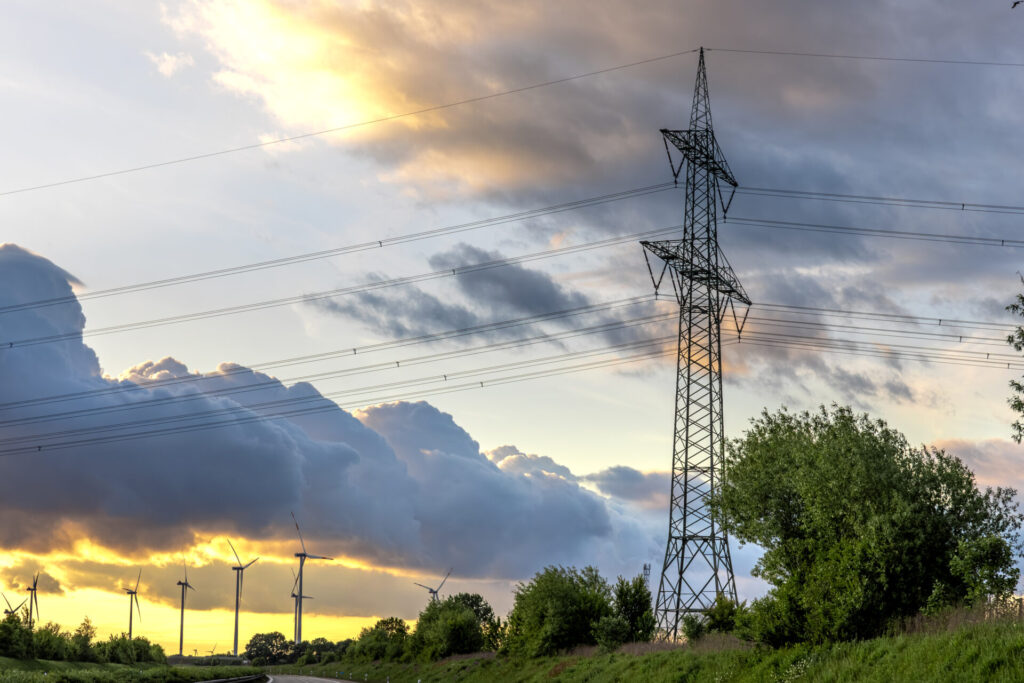
Electric current is a flow of electrons through a conductive wire. In direct current, electrons move in a single, continuous direction, while in alternating current, they constantly change direction. The main difference lies in transmission capability: alternating current can reach higher voltages and travel longer distances without significant energy loss. Residential electricity is transmitted as alternating current for efficiency, but it must be converted to lower voltages (120V or 220V) for safe home use.
What is an electrical current transformer and where is it used?
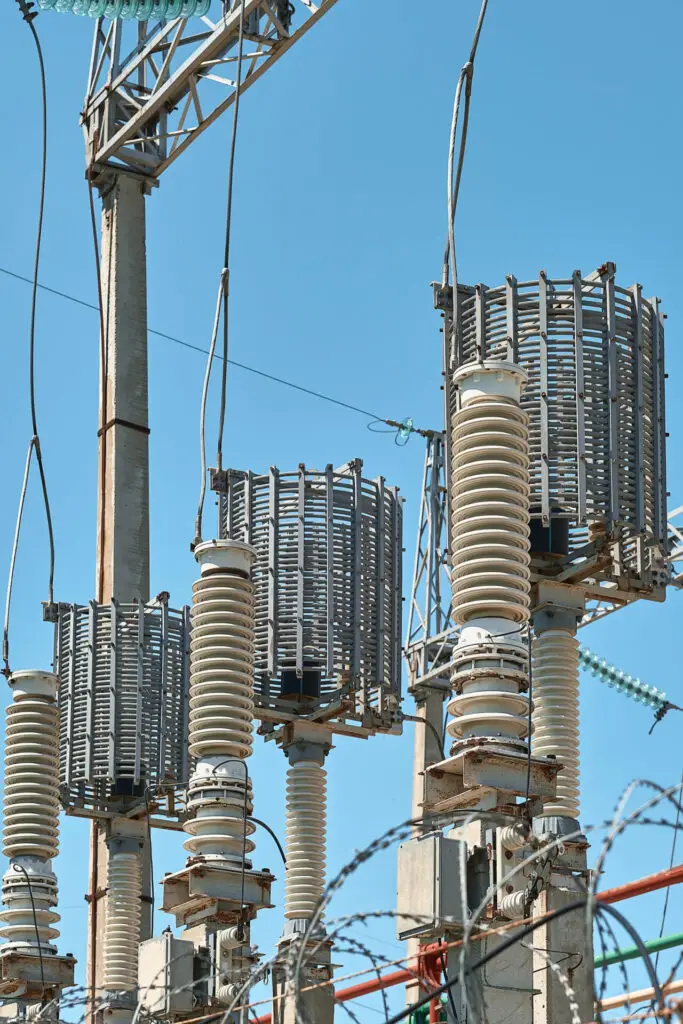
Electrical installations often require an increase or decrease in the voltage supplied by energy companies. In these cases, a transformer is needed, a device that converts electrical voltage according to the needs of the equipment, ensuring its proper operation and safety.