

Electric current: concept, types, and applications in generators
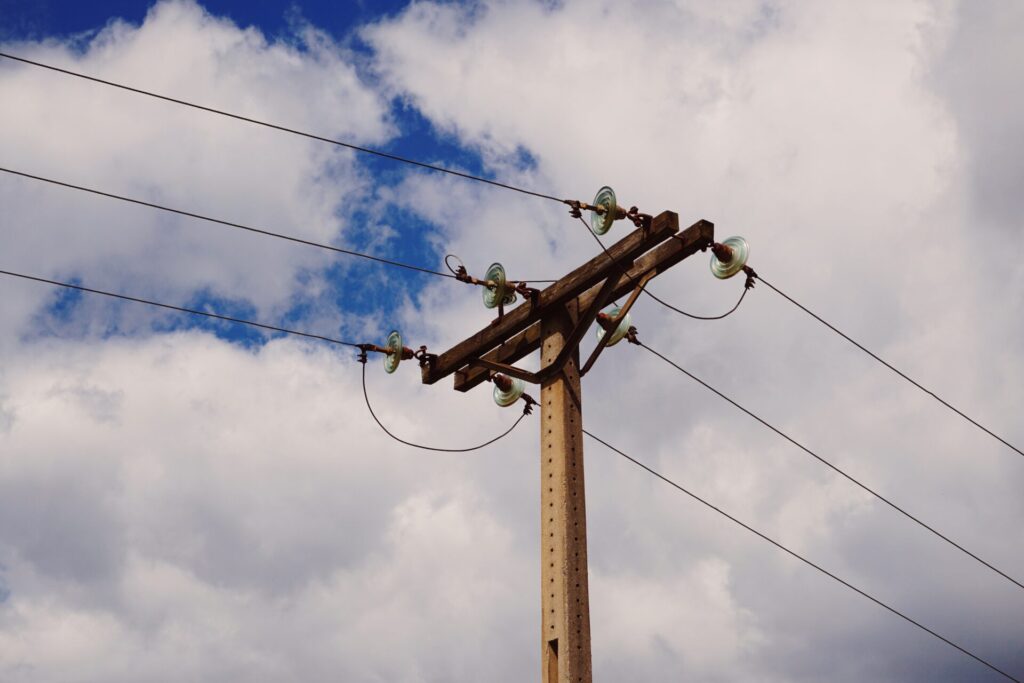
Every electronic device requires a power source to operate, whether from a battery or an outlet. Electric current is the orderly movement of charge-carrying particles (electrons) that occurs in a conductor when there is a potential difference between its ends, known as voltage. Its intensity is measured in Amperes (A) and can be calculated using the formula I = ΔQ/Δt. There are two main types: direct current (batteries) and alternating current (power grid).
How to calculate the electrical energy consumption of a device?
Electronic devices consume different amounts of energy depending on their power rating and usage time. The calculation is done by multiplying these two values. For example, a 5,500W shower used for 12 minutes: convert power to kW by dividing by a thousand and time to hours by dividing by 60. With power in kW and time in hours, the result is in kWh, the unit used on your electricity bill. By multiplying by the kWh rate, you get the cost of consumption.
Best power generator: how to choose the ideal one in 2026
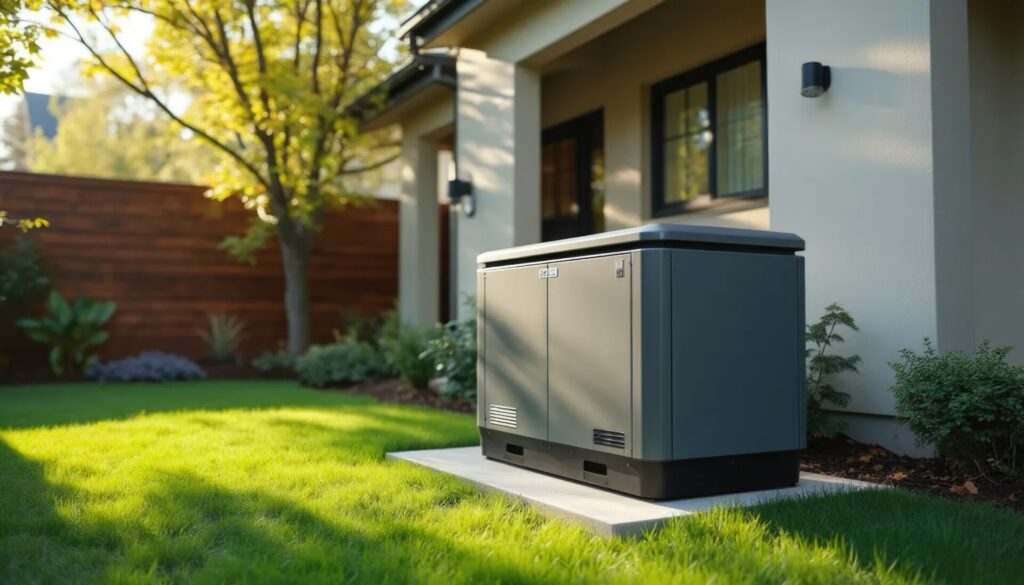
Electricity is essential for basic needs such as heating, cooling, security, and lighting. To avoid problems with interruptions, residential generators have become increasingly common. When choosing, it is crucial to consider the size (preferring compact models) and power (ranging from 1850 to 12,000 watts). Other important factors include tank capacity, noise level, starting type, weather resistance, and voltage regulation system. Installation should be done in a ventilated area with sound insulation.
Electric Power: Formula, Unit, and How to Calculate
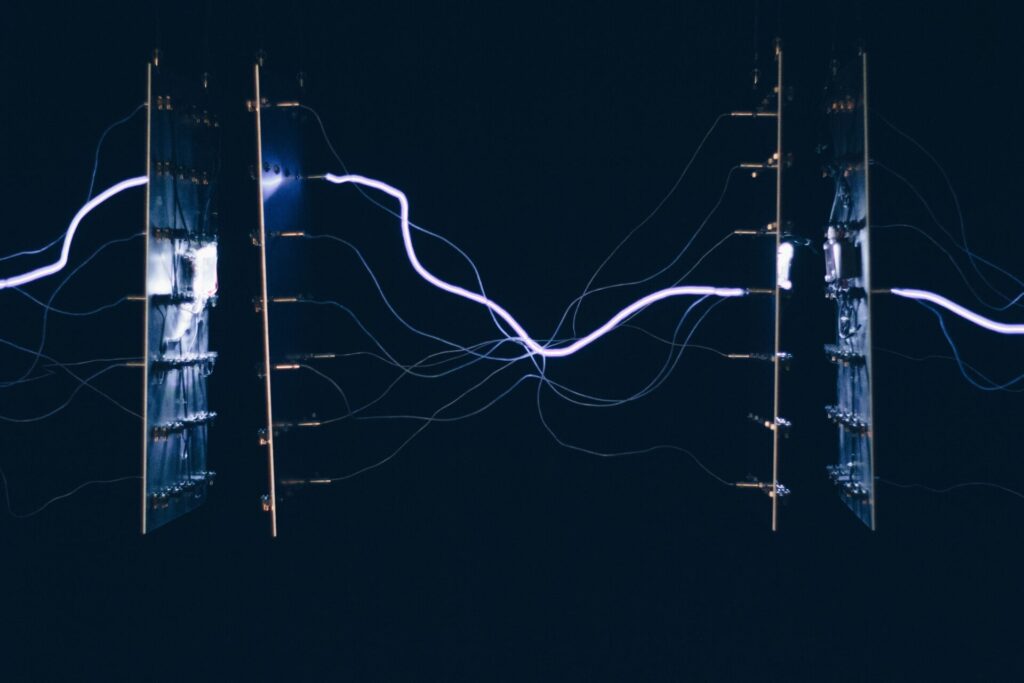
Electric power is the ability of an electrical voltage source to perform work per unit of time. Electronic equipment requires electrical energy to operate by transforming it into another form of energy. The greater the amount transformed in a short time, the greater the power. It is calculated by dividing the transformed electrical energy by the time interval. In the generator, it is important to know the useful and dissipated power to obtain efficiency through the product of the potential difference by the current.
How does an electrical power transformer work and why is it important?
The electrical power transformer ensures energy use in homes and industries by working with current induction principles to modify electrical voltage. There are two models: the power transformer, which receives energy from the plant and passes it on for transmission, and the distribution transformer, which is the final stage before reaching the consumer. Energy from the plants arrives with a voltage higher than 10,000V and is reduced to domestic 110 or 220V through coils that create a magnetic field.
What is kVA?
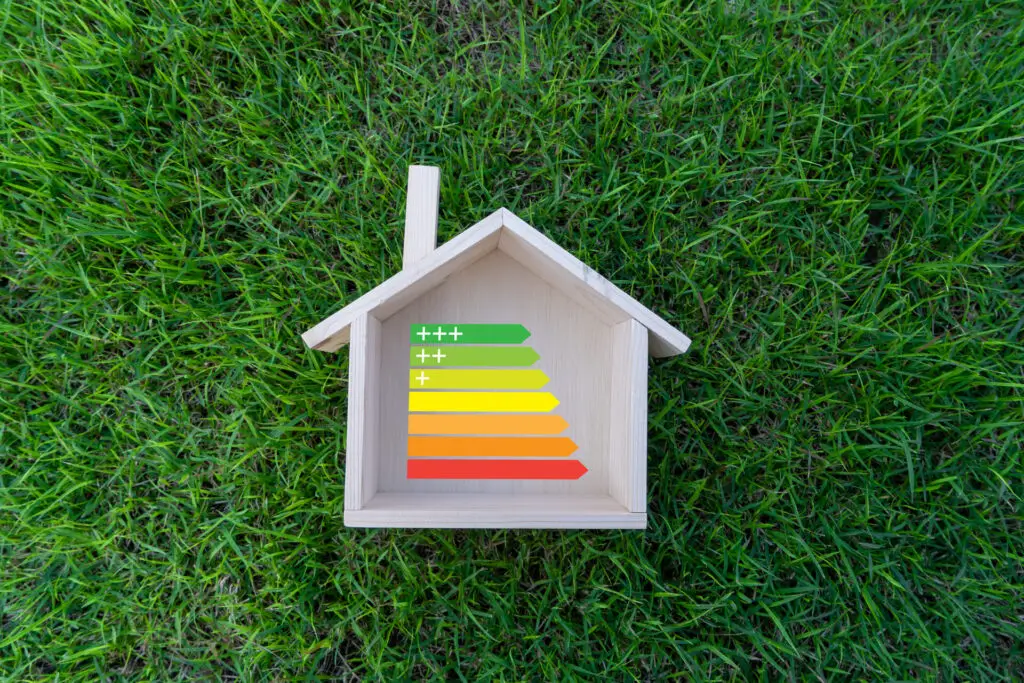
Understanding kVA is crucial for sizing temporary power sources. kVA stands for kilovoltampere and differs from Volts and Watts. It’s essential for the correct sizing of projects and electrical systems. kVA equals 1000 volt-amperes, representing the system’s apparent power, a vector sum of active (Watts) and reactive (Var) power. Accurate calculation is vital to ensure the electrical system meets the required demand, even during peak times. Generators have become more efficient with technological advancements.
Discover the ideal power generator for the mining industry
The electric generator converts mechanical or chemical energy into electrical energy. In mining, it is essential to ensure the survival and quality of life for workers who spend hours without seeing sunlight. It provides adequate lighting and ensures the operation of fans and equipment for detonation and…
Understand the concept of cogeneration.
Energy efficiency is a key term for understanding cogeneration. It’s a process that transforms and reuses energy generated by a source. In the sugarcane industry, processing sugarcane to produce alcohol generates steam that’s reused to power machines, turbines, and generate electricity. This cycle prevents waste and the extraction of natural coal, diesel, or natural gas. The advantages include lower energy costs, high quality and reliability, savings in transmission, and reduced pollutant emissions.
Learn about the types of generators recommended for each segment
Establishments such as hospitals, supermarkets, and event venues rely heavily on electricity to operate without disruptions. Generators ensure a constant supply even with power company instability. There are generators of various capacities for different segments: 1500-2500 KVA for offshore oil and gas, 1000-1500 KVA for power plants and automotive industries, 750-1000 KVA for mining and data centers, up to 10-60 KVA for telecommunications.
Generator Rental for Events: Benefits of Leasing

Storms, strong winds, and power supply issues can become the nemesis of events and celebrations, causing power outages. Renting generators is recommended for corporate events, large festivities, and important family gatherings. Events gain security and comfort with a specialized technical team on standby. Benefits include maintenance costs covered by the rental company, 24-hour assistance, and uninterrupted supply independent of the power company.