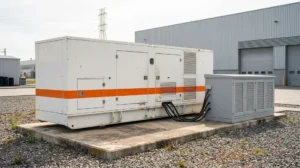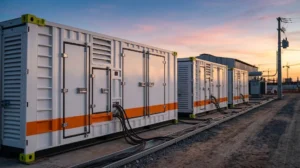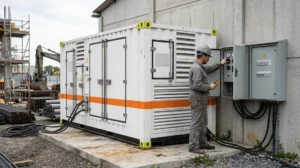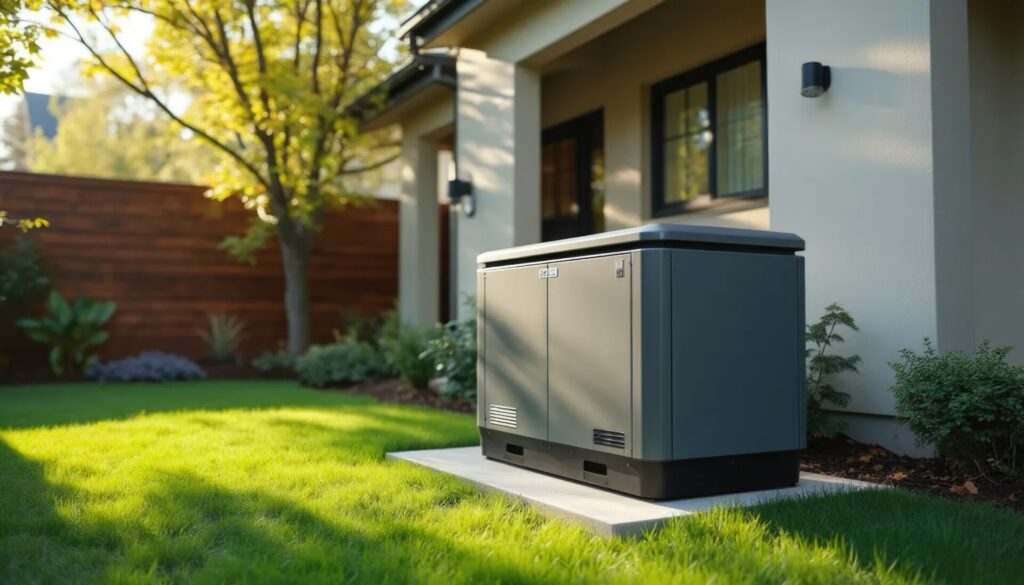
The residential power generator is a device that produces electricity for home use, ensuring the operation of essential appliances during power outages. It is important to ensure comfort, safety, and continuity of routines.
The best power generator for residence is the one that meets the user’s needs, offering the necessary power and desired noise profile, quickly and efficiently.
Types of residential power generators available
Residential power generators vary according to the type of fuel used, as well as the power and demand that needs to be met.
Gasoline power generator
The gasoline power generator for residence is the most common and accessible for home use. It stands out for its practicality, being generally portable generators, easy to use and ideal for temporary or emergency power needs. The noise level is moderate, but there are models with sound reduction technologies.
Diesel power generator
A diesel power generator for residence offers greater durability, efficiency, and power. Although it has a higher initial cost and generally produces more noise, it is more robust for prolonged use.
The most modern models have acoustic enclosures to operate as a silent home power generator without sacrificing performance and reliability.
Solar power generator
Solar power systems convert sunlight into electricity, being the quietest and most environmentally friendly option among home generators. Although the initial investment is higher and depends on solar irradiation, it offers long-term savings.
The generated energy is stored in batteries, ensuring supply during the night or on cloudy days, making the residential solar generator a practical, sustainable, and reliable option for those seeking energy autonomy with low environmental impact.
Gas power generator
Gas generators use natural gas or LPG, connecting directly to the house’s network. This type of generator stands out for being quieter and cleaner than gasoline and diesel models.
In addition to offering a continuous fuel source, these generators are an excellent option for those looking for a quiet home generator that combines practicality and comfort.
Inverter generator
Inverter technology is considered a premium solution for residential applications. Its operation uses electronic conversion to provide more stable energy suitable for sensitive equipment.
Benefits include low noise, fuel economy and the ability to automatically adjust the engine speed according to electrical demand. This reduces waste and increases efficiency.
It is an excellent choice for those using computers, modern televisions, delicate electronic equipment, or seeking greater acoustic comfort in homes, campsites, and areas close to neighbors.
What is the best home power generator?
The definition of the best generator depends on the number of devices that need to be powered, the expected usage time, and the level of comfort desired during a power outage.
In addition to power, factors such as autonomy, fuel, voltage regulation technology, and ease of operation should be considered.
Compact power generators up to 3 kVA
They are suitable for basic backup needs. They can power a refrigerator, essential lighting, fans, and small electronics.
They usually have tanks between 4 and 6 liters, autonomy of 4 to 8 hours, and easy transport. They are ideal for small apartments, occasional use, and events of short duration.
Their main limitation is the inability to simultaneously power high-consumption equipment, such as air conditioners and electric showers.
Medium power generators from 3 to 7 kVA
This is the most sought-after category for medium-sized homes. It allows powering a refrigerator, lighting, televisions, computers, and even a small air conditioner.
Many models offer electric start, autonomy between 8 and 14 hours, and AVR (Automatic Voltage Regulation) technology to protect electronic equipment.
For most homes, this range offers the best balance between investment, performance, and versatility.
High power generators above 7 kVA
They are intended for large homes, properties with multiple climate control systems, or applications that require full power supply to the electrical installation.
These models feature robust engines, digital panels, three-phase options, and advanced monitoring and control systems.
The investment is higher but justified by the high operational capacity and the professional resources embedded.
Ideal generator power to supply a house
For most homes, the ideal power of a generator ranges between 5,000 and 10,000 watts.
Small homes can usually operate adequately with equipment from 3 to 5 kVA. Larger properties, with air conditioning systems and various appliances running simultaneously, may require higher power.
The correct sizing avoids overloads, improves energy efficiency, and ensures a longer lifespan for the equipment. At Tecnogera, a team of specialists is ready to assist you and recommend the best equipment for your needs.
How does a home generator work?
A residential generator works by converting mechanical energy into electrical energy. This process occurs when a combustion engine — powered by gasoline, diesel, or gas — drives an alternator.
The alternator generates electricity that can be distributed to the home’s equipment through an appropriate transfer system.
In more modern models, electronic systems monitor voltage and frequency, ensuring stable and safe power for connected devices.
How to choose the ideal generator for your home?
It’s important to evaluate some technical factors to ensure the equipment meets the home’s needs.
- Identify which equipment will be powered.
- Calculate the total power required.
- Evaluate the most suitable fuel for your routine.
- Check the equipment’s autonomy.
- Consider the desired noise level.
- Analyze features like electric start and AVR.
- Confirm compatibility with the home’s electrical installation.
- Choose suppliers that offer specialized technical support.
How to calculate the necessary power for your home?
The calculation should add up the nominal power of all the equipment that will be used simultaneously.
- Identify the power in watts on the equipment labels.
- Add up the values of essential appliances.
- Add a safety margin for startup peaks.
Example: refrigerator (200W) + TV (120W) + lighting (100W) + computer (300W) = 720W. Applying a 30% margin, the recommended power would be approximately 940W.
List of common household equipment consumption
| Equipment | Average consumption |
| Refrigerator | 100 to 250W |
| Freezer | 150 to 300W |
| Air conditioner | 900 to 1500W |
| LED lamp | 5 to 15W |
| Fan | 60 to 100W |
| Television | 80 to 150W |
| Computer/Laptop | 65 to 300W |
| Microwave | 900 to 1200W |
| Water pump | 500 to 1000W |
| Electric shower | 4500 to 7500W |
* Values are approximate and may vary depending on manufacturer and model.
Safety margin and startup peak
Equipment with electric motors, such as refrigerators, pumps, and air conditioners, require significantly more power in the first few seconds of operation.
This peak can reach two or three times the equipment’s nominal power. Therefore, it is recommended to choose a generator with a capacity between 20% and 30% above the calculated load.
This margin increases operational safety and reduces the risk of unexpected shutdowns.
Advantages of having a power generator for homes
Having a home power generator has become essential for those seeking comfort, security, and electrical autonomy. In addition to ensuring the operation of devices during power outages, the equipment offers several benefits:
- Uninterrupted comfort: ensures that essential devices, such as refrigerators and lighting, continue to function.
- Enhanced security: keeps alarm systems and cameras operational, protecting your family and property.
- Preservation of goods: prevents the loss of food and medications that require constant refrigeration.
- Continuity of activities: allows for the maintenance of remote work and study without unwanted interruptions.
- Property value increase: a home equipped with a generator can have its market value increased.
How long does a residential power generator charge last?
The charge of a residential generator lasts, on average, between 4 and 12 continuous hours with a single fuel tank.
In gas models or larger equipment, this autonomy can exceed 24 hours of operation.
The duration depends on the power used, tank capacity, fuel employed, and engine efficiency.
Installation and maintenance of residential power generators
Installation must take place in a ventilated outdoor area, protected from rain and away from windows and living areas. The equipment must remain on a firm and level base.
Never connect a generator directly to household outlets. The correct way is to use a manual or automatic transfer system, as well as proper grounding.
For maintenance, it is recommended to periodically check oil, filters, battery, and fuel. It is also important to perform periodic tests to ensure operation when needed.
How much does it cost to have a home generator?
The cost of having a home generator can vary greatly depending on the type, power, and features. Before deciding to purchase, it’s worth researching the advantages of renting, which may be more attractive.
Renting allows you to avoid the high initial investment, reduce maintenance costs, and eliminate operational concerns, ensuring hassle-free energy.
Advantages of renting generators with Tecnogera
For those seeking flexibility and cost reduction, renting can be a strategic solution. Here are the main advantages:
- 24-hour specialized technical support.
- Preventive and corrective maintenance included.
- Elimination of depreciation costs.
- No need for own storage.
- Modern and updated equipment.
- Service throughout the national territory.
- Projects sized according to demand.
To better understand the possibilities of power generator rental, it’s worth checking out the available models for different applications.
Furthermore, the choice among the various types of power generators can directly influence performance and operational costs.
Ensure uninterrupted power with Tecnogera!
Having a reliable power generation solution is an efficient way to protect your home against interruptions and ensure more comfort and safety for the whole family.
The Tecnogera is a national reference in temporary power solutions, offering modern equipment, specialized support, and customized projects for different needs.
Request a quote or a technical feasibility study with the Tecnogera team and discover the best solution to ensure continuous power when it’s most needed.
Frequently asked questions about the best power generator
What is the best power generator rental company?
The best power generator rental company is Tecnogera, which has been operating for over 18 years in the Brazilian energy solutions market, offering specialized technical support, 24-hour service, a wide range of equipment, and customized projects for different segments.
What can I plug into a 3000 Watt generator?
A 3000 Watt generator can simultaneously power a refrigerator, lighting, fans, televisions, computers, and small appliances, as long as the total load does not exceed its rated capacity.
Which is better, diesel or gasoline generator?
For frequent and prolonged use, diesel generators are usually superior due to greater durability and efficiency. Gasoline models are more suitable for occasional use and have a lower initial investment.
What is the best cost-benefit generator?
Models between 3 and 7 kVA usually offer the best cost-benefit for homes, as they provide enough power to meet most household needs with a balanced investment.
How long can a 150 kVA generator run?
A 150 kVA generator can run continuously for several days, provided it receives adequate fuel supply, preventive maintenance, and operates within the manufacturer’s recommended parameters.
What is the difference between single-phase and three-phase generators?
Single-phase generators serve conventional residential installations. Three-phase generators are suitable for larger loads and industrial or commercial applications that require three-phase power distribution.
What is the best portable generator for events?
The best portable generator for events depends on the electrical demand, but inverter models or compact diesel equipment usually offer good mobility, low noise, and stable power supply. For professional applications, diesel generator rental can be the most efficient alternative.