

Electrical Power and Climate Control: How to Properly Size Industrial Equipment
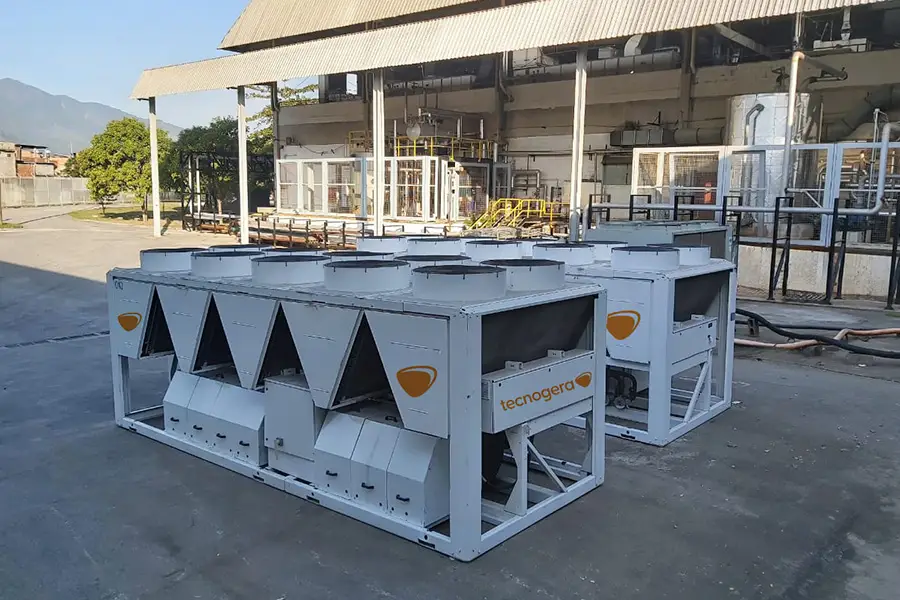
Properly sizing electrical power for industrial climate control is crucial for ensuring energy efficiency, thermal comfort, and equipment longevity. Undersized or oversized systems increase energy consumption, reduce component lifespan, and can compromise production. It’s important to consider factors like thermal insulation, seasonality, air quality, and type of activity. Tecnogera offers customized solutions with thermal studies, high-performance equipment, and continuous monitoring.
How does energy impact agribusiness management?
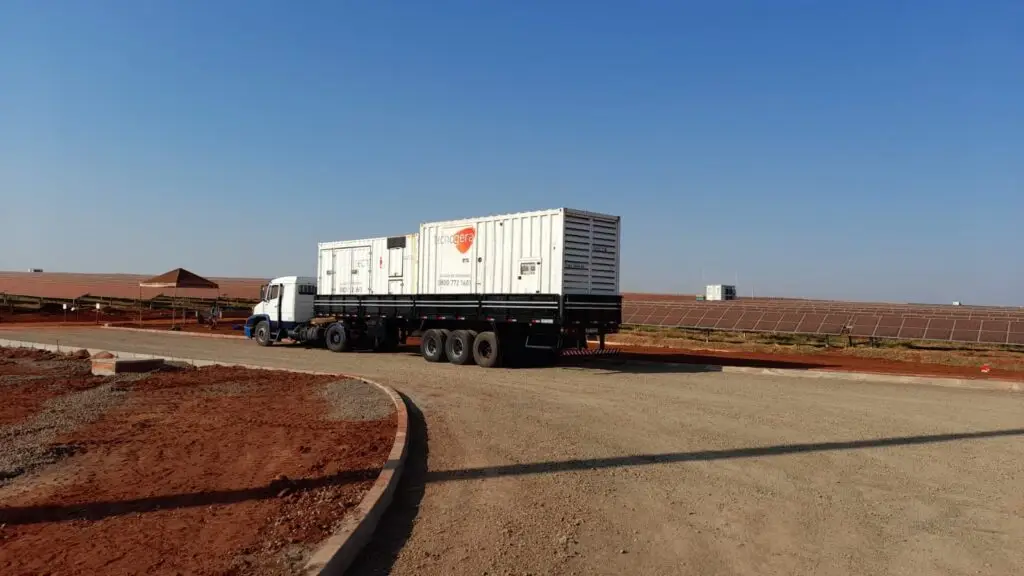
Agribusiness management involves how producers organize to achieve better results in rural activities, a sector that recorded over 153 million reais in the 3rd quarter of 2023. Continuous electricity supply is crucial for climate control, cultivation, and production, especially in rural areas with unstable supply. Generators ensure operational continuity to preserve production and animal comfort, being essential for the projected 37.2% growth in corn production.
Chiller: Understand Its Functionality and Applications in the Food Industry
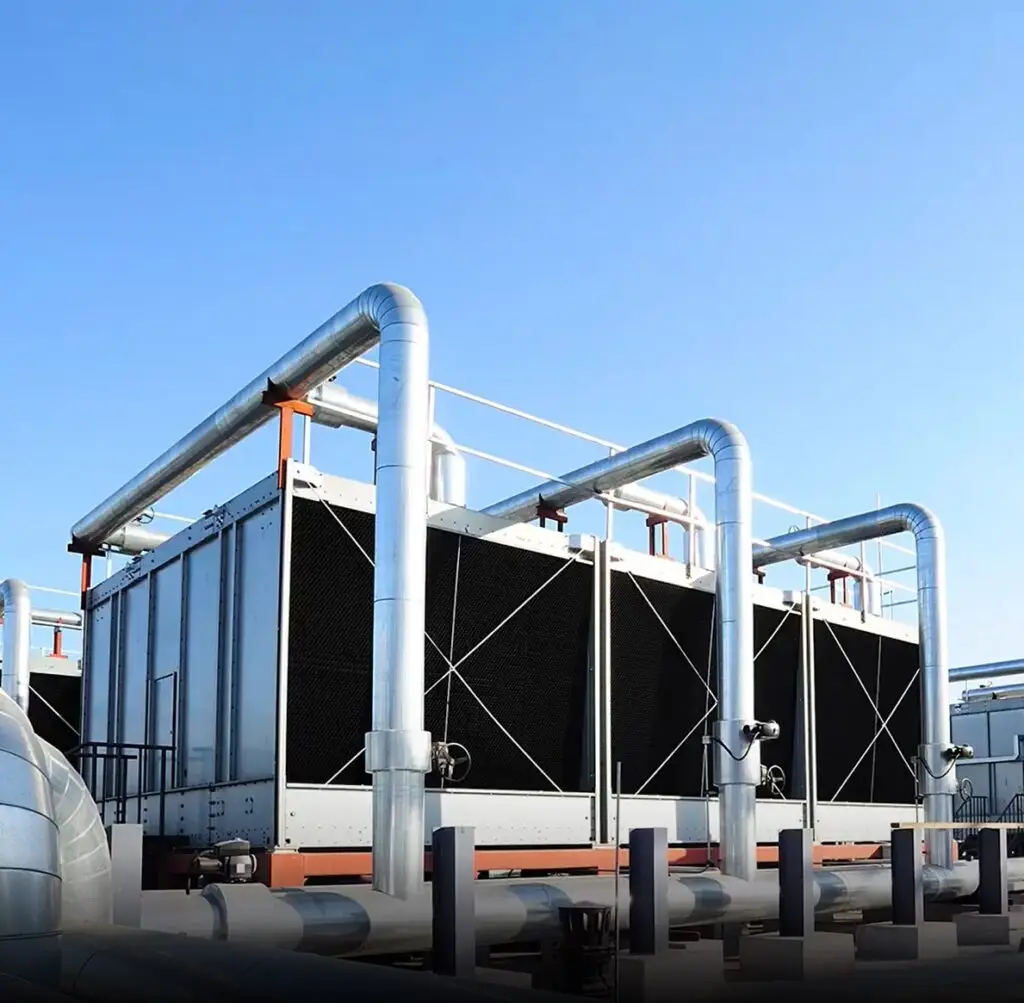
There are some questions about how chillers work and how they can assist in food production and storage. Therefore, we will share practical insights into the operation, advantages, and use of these systems in the food industry. Before discussing the use of chillers in food production and storage, it’s important to remember what these systems are and their applications. A chiller is a liquid cooling system, most commonly for water. It is used in HVAC systems to cool products, machinery, and even environments by producing chilled water. Chillers are excellent refrigeration systems for the food industry, as they help in climate control of production areas, both in sectors directly related to production and those focused on storing finished goods. Scheduled shutdowns: may occur in environments already using chillers and requiring maintenance. Contingency plan: using the chiller as an emergency measure in case of failure or breakdown of existing equipment.
Discover the best way to manage temperature in your operation
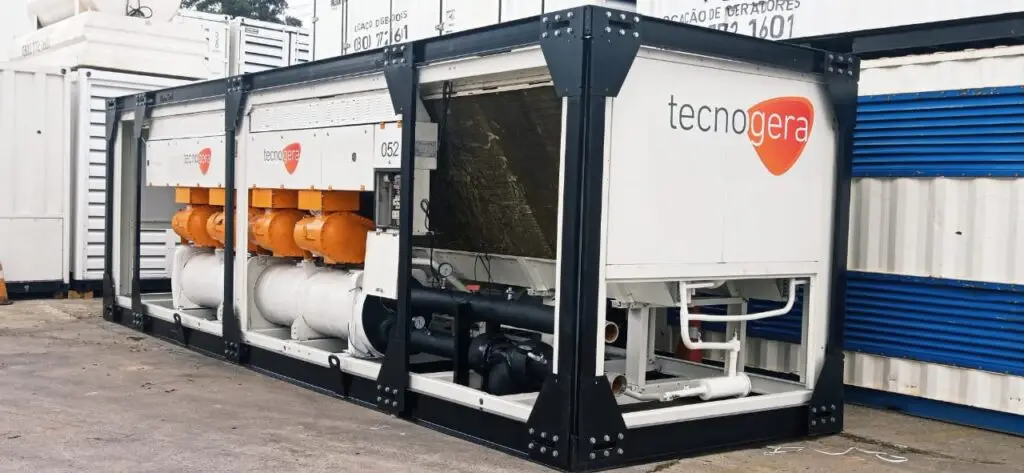
Temperature control is crucial for enabling production in industrial processes and boosting efficiency, ensuring the quality of products that rely on cooling. This article presents the best solutions for temperature control in industrial operations, covering everything from equipment cooling to environmental climate control. It discusses the main systems available, such as Chillers, Fancoils, and Rooftops, and provides guidance on identifying the need for temperature control and the benefits of each solution for different types of industrial operations.
Temperature Control: How to Cool Large Spaces Economically?

The Chiller system stands out as an efficient solution for cooling large spaces, offering significant savings compared to conventional systems. With technology based on water cooling, it reduces energy peaks and operational costs, making it ideal for commercial centers and industries. Tecnogera offers chiller rental with complete installation and maintenance, ensuring thermal comfort and energy efficiency in large environments.
150 kVA generator rental: rental advantages and uses
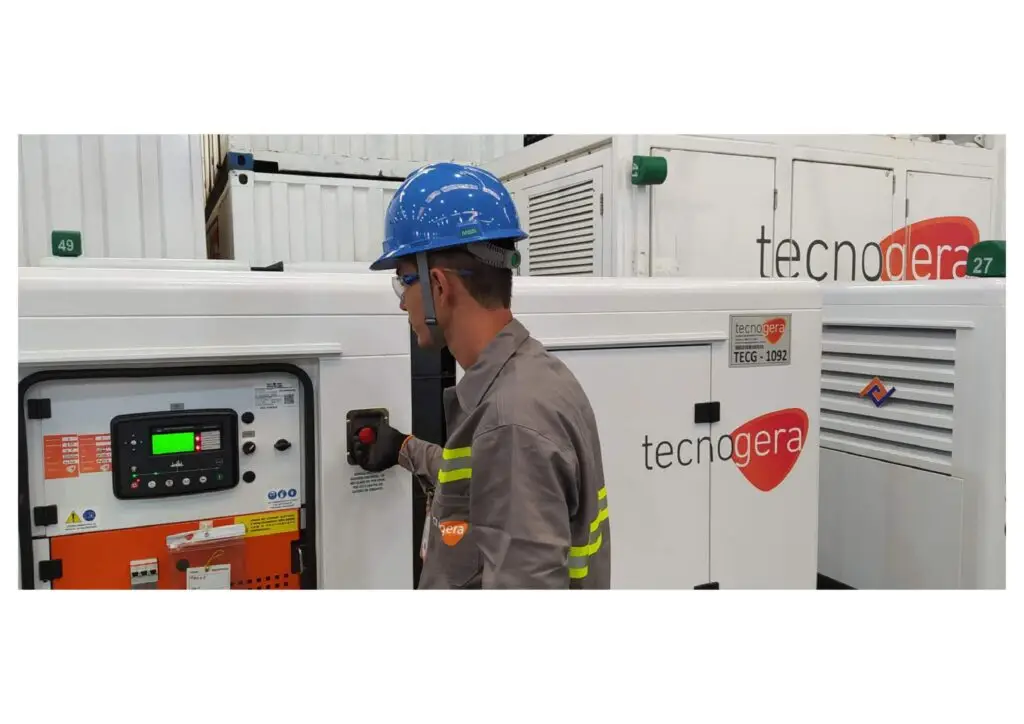
A 150 kVA generator is versatile and maintains supply during outages, reduces energy costs, and serves remote locations. It occupies space equivalent to a parking spot, making it ideal for businesses, residences, and industries. Applications include automotive/pharmaceutical industries, universities, research centers, supermarkets, condominiums, security devices, telecommunications, and data centers. Tecnogera has a fleet of 25-1500 kVA operating 24/7/365 days. The 150 kVA model has a 200-liter tank running up to 13 uninterrupted hours, is quiet, enclosed, and offers excellent performance.
Cooling Systems: What They Are, How They Work, and Types

Cooling and air conditioning systems are crucial for ensuring air quality, thermal comfort, and health in enclosed spaces. They are applicable in malls, industries, hospitals, wine cellars, and breeding facilities, controlling temperature, humidity, and air renewal. Each person breathes 10,000 liters of air daily, spending 85% of their time indoors, highlighting the importance of efficient air conditioning. These systems utilize evaporation, atomization, and heat exchange, playing a vital role in disease prevention and ensuring proper product preservation.
Industrial UPS vs. Power Generator: Understand the Differences

Both industrial UPS and power generators ensure high-quality electrical supply but operate differently. A UPS uses an internal battery bank that charges automatically, providing almost instant power with limited autonomy, regulating voltage and purity to prevent damaging surges. A generator offers unlimited autonomy as long as it has fuel, is large-scale with high power, ideal for long periods but takes time to reach optimal operation. They can be combined: the UPS acts instantly during failures while the generator prepares, then the UPS shuts down and batteries recharge. This combination completely eliminates interruptions.
Climate Control in Agribusiness: Its Importance to the Sector
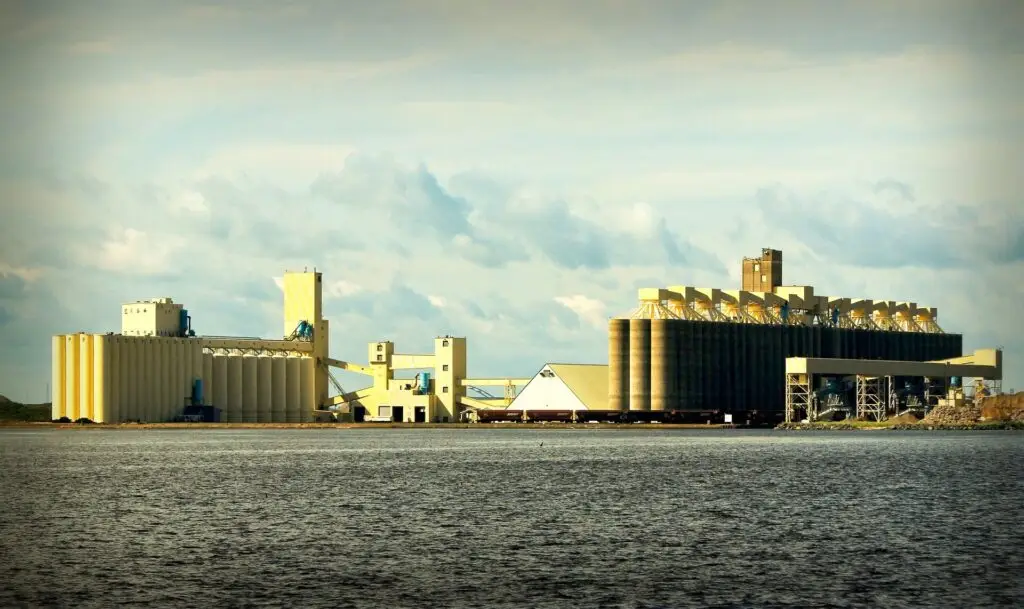
Agribusiness is a driving force of the Brazilian economy, requiring strict humidity and temperature control for storage in compliance with national and international standards. Each product (seeds, fruits, grains) demands specific conditions to preserve its original quality. Storage centers with specific climate control are expanding with technological monitoring. Chiller rental is an efficient solution with low energy demand. Versatile equipment is essential due to the diversity of products per harvest. Tecnogera has been providing comprehensive solutions since 2006.
Industrial Chiller: What It Is, How It Works, and Applications
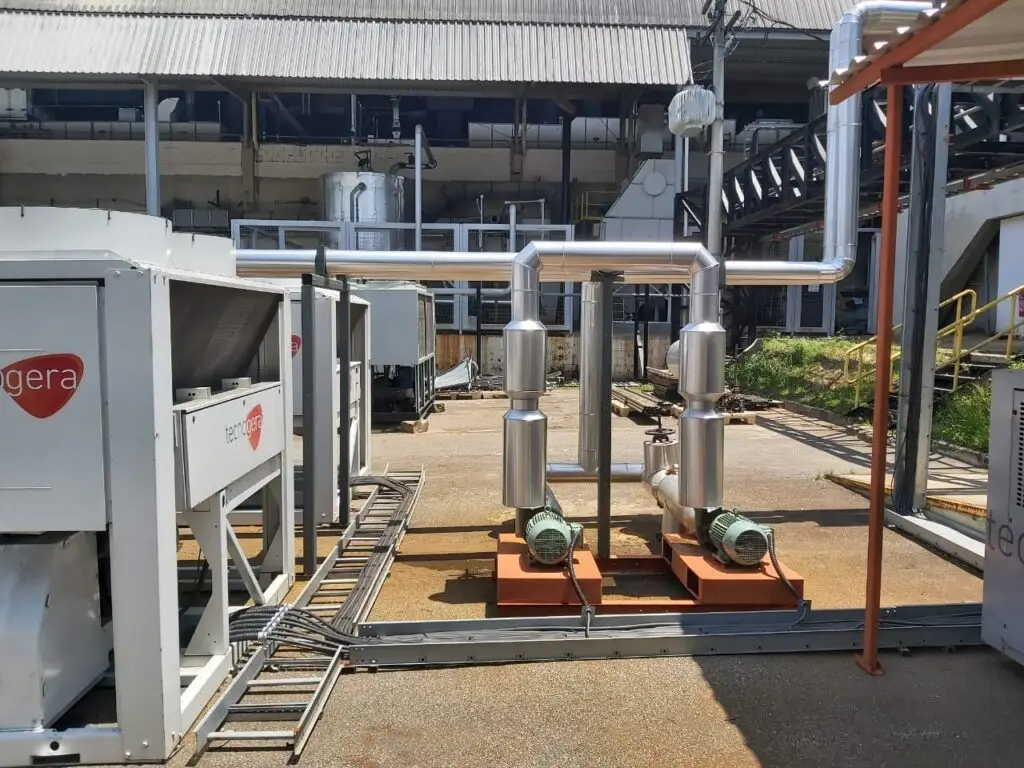
Industrial chillers are large-scale cooling equipment measured in TR (Tons of Refrigeration), ranging from 20TR to 4,000TR. Main types: water-cooled (quiet, 100-2,000TR, ideal for hospitals), air-cooled (durable, 12-350TR, for industries), and absorption (10% less energy consumption). Compressors: Screw (100-600TR), Centrifugal (300-2,000TR, 20% more economical), and Scroll (12-150TR). Renting optimizes investments without the costs of acquisition and specialized maintenance.