Energy crises, commonly known as blackouts, pose a significant threat to the continuity and safety of any operation reliant on electricity.
A sudden power failure can halt entire sectors, from industrial to essential services like hospitals. Immediate response capability is crucial.
The key to minimizing damage is organization and speed. An agile and well-planned response to blackouts is the deciding factor between a brief interruption and large-scale loss.
The primary goal is to ensure energy resilience, allowing critical activities to continue even when the main grid is down.
Developing a proactive strategy based on well-defined processes, backup technology, and trained crisis management teams is essential. This preparation turns vulnerability into operational control.
Below, we detail the essential steps and considerations for building an efficient contingency plan that ensures the necessary emergency power during a blackout.
How Blackouts Impact Critical and Industrial Operations
The effects of a power outage in critical environments like hospitals, data centers, and telecom hubs are immediate and potentially devastating.
In these locations, a loss of electricity can mean the interruption of life-support systems or the corruption of large volumes of sensitive data.
In the industrial sphere, a lack of electrical power results in the abrupt shutdown of complex production lines, which not only halts production but can also damage sensitive equipment and waste materials in process.
The costs to restart operations and the loss of productivity are considerable. Beyond operational losses, there’s an impact on corporate reputation.
The inability to maintain essential services during a prolonged blackout affects customer and stakeholder confidence. Weak energy resilience can translate into market loss and missed business opportunities.
Therefore, installing and maintaining emergency power systems and power generators are mandatory investments for the safety, legal compliance, and sustainability of any electricity-dependent organization.
Effective Strategies for Quick and Safe Response
The effectiveness of a blackout response lies in prior organization and disciplined execution. The first and most important step is creating a clear contingency plan that assigns responsibilities and activation procedures for all involved.
This plan should start with mapping and classifying all critical systems, defining a strict priority order for power restoration. In a scarcity scenario, focusing on essentials first is crucial.
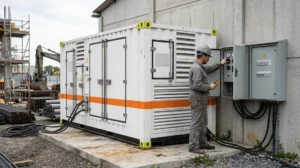
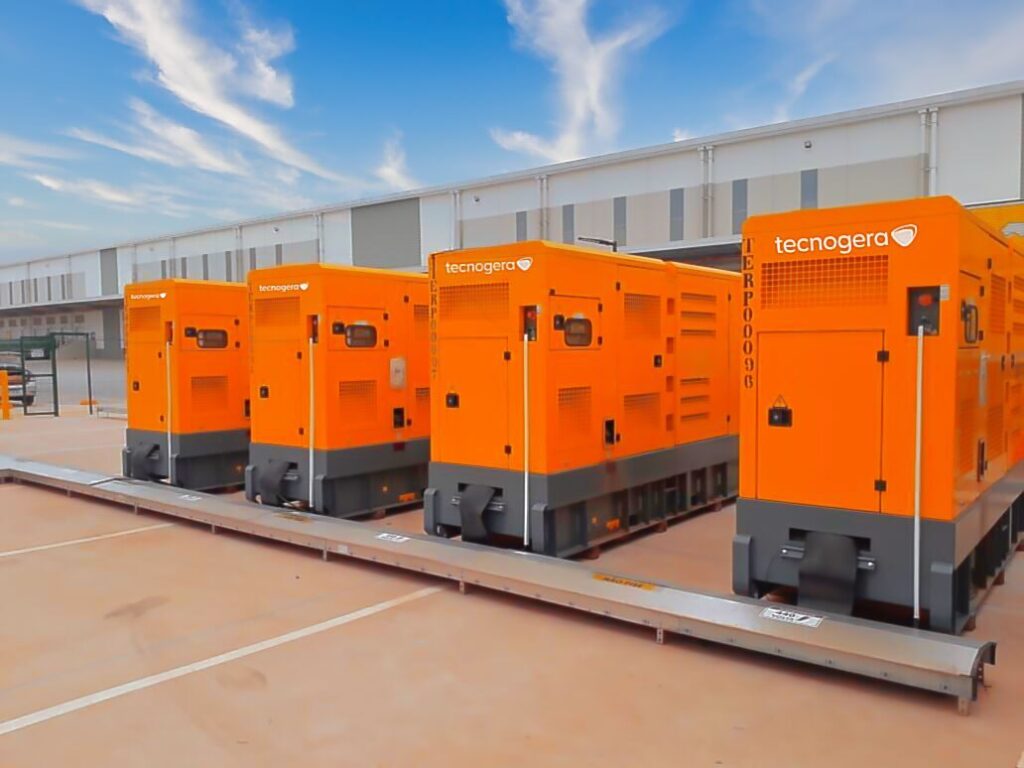
Power generators are the central component of the strategy. They must undergo regular preventive maintenance, be tested under real load, and have their fuel reserves monitored. Their location should be strategic for quick access and refueling.
To ensure a smooth response, periodic simulations are essential. Practical training in real failure scenarios allows teams to act in a coordinated and swift manner, drastically reducing downtime and increasing energy resilience.
Preventive Planning and Technologies to Avoid Interruptions
Preventive planning is the best defense against blackouts. The goal is to create a transition to emergency power so swift that it becomes almost imperceptible.
Modern technologies play a fundamental role in this process. Today’s power generators are often paired with automatic transfer systems (ats).
These devices detect the power grid failure in milliseconds and autonomously start the generator, taking on the load in seconds.
Additionally, high-capacity uninterruptible power supply systems (ups) act as a bridge. They provide instant emergency power, protecting sensitive equipment during the brief interval needed for the generator to start and stabilize. The ups ensures no gap between the outage and generator activation.
By integrating a robust contingency plan with automated power generator and ups infrastructure, companies strengthen their energy resilience.
This comprehensive preparation transforms potential risk into a demonstration of operational strength and reliability to the market.